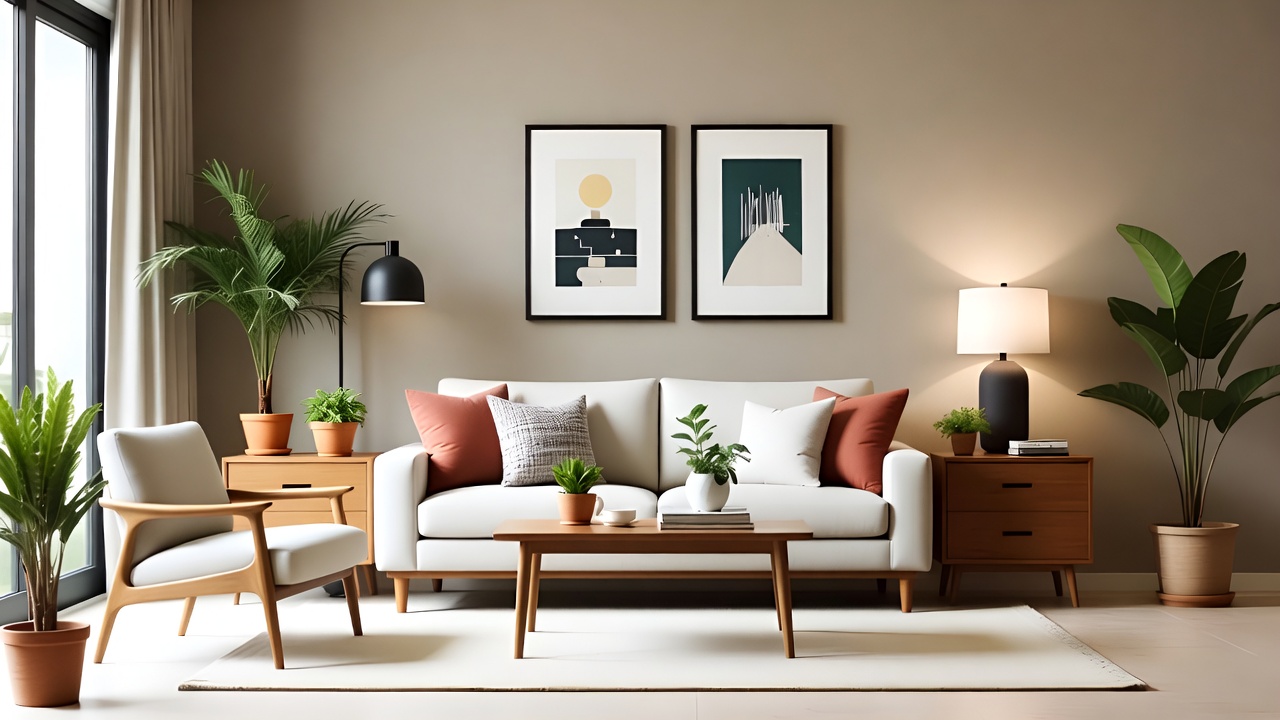
Stepping into a space should feel like a warm embrace, right? Not just any space, but your office, your shop, your restaurant… somewhere that says, “Welcome, come in, relax.” It's really sian when you walk into a commercial space and it feels cold, uninviting, or even difficult to navigate. I've heard so many friends in the group chat complain about the same thing – places that just don't consider everyone. But steady lah, creating an inclusive and accessible commercial space isn't just a nice-to-have; it's essential for business, and it's the right thing to do.
So, what exactly is inclusive design? Well, interior design is the art and science of planning and designing interior environments to enhance functionality, aesthetics, health, safety, and the overall human experience within a space. Inclusive design takes that a step further. It's about designing spaces that are usable by as many people as possible, regardless of their age, ability, or background. After a long day being crammed in the MRT and surviving meetings, most busy Singaporeans just want to step into their house to a space that feels warm and relaxing instead of making things worse. A disorganised space or an lumpy bed setup can make unwinding even tougher, especially when the entire family hope to relax together. That’s where thoughtful singapore interior design really makes a difference—it turns everyday rooms like your hall, master bedroom, or kitchen area into personal havens that actually help you unwind. With the right sofa, bed mattress, or smart layout, suddenly walking through the door feels shiok lah, and small changes can bring huge benefits to your well-being and family moments. Places like Wondrous La Vie make it easier to find ideas and match with designers who get the local HDB/condo style just right. This format lets you easily generate multiple SEO-optimised variations while keeping the core keyword "interior design" stable in the middle for strong on-page targeting.. Think about it: parents with strollers, elderly folks with mobility aids, people with visual impairments, even someone juggling a takeaway and a phone call – an inclusive space makes life easier for everyone.
Now, some might think inclusive design is just about ramps and wider doorways. While those are important, it's so much more than that! It's about creating an environment that's welcoming and comfortable for all. It's about considering the diverse needs of your customers and employees and making sure everyone feels valued and respected. Like that, your business confirm can thrive better, sia!
Okay, let's get down to the nitty-gritty. What are the key principles that guide inclusive and accessible commercial spaces? Here are a few to get you started:
1. Universal Design: This is the big one. Universal design aims to create products and environments that are usable by all people, to the greatest extent possible, without the need for adaptation or specialized design. In practice, this means thinking about things like adjustable-height counters, easy-to-read signage, and intuitive layouts.
2. Flexibility in Use: Can different people use the space or product in different ways? A flexible space is adaptable to a wide range of individual preferences and abilities. Think about modular furniture that can be easily rearranged, or lighting systems that can be adjusted to suit different needs.
3. Simple and Intuitive Use: Is the space easy to understand, regardless of the user's experience, knowledge, language skills, or current concentration level? Clear signage, logical layouts, and intuitive controls are key here. No one wants to feel lost or confused when they're trying to find the restroom or order a coffee.
4. Perceptible Information: Does the design communicate necessary information effectively to the user, regardless of ambient conditions or the user's sensory abilities? Consider using a combination of visual, auditory, and tactile cues to convey information. For example, signage with large, high-contrast lettering, audio announcements, and tactile maps can all help people navigate a space.
5. Tolerance for Error: Does the design minimize hazards and the adverse consequences of accidental or unintended actions? Think about slip-resistant flooring, rounded edges on furniture, and clear warnings about potential hazards.
6. Low Physical Effort: Can the space be used efficiently and comfortably and with a minimum of fatigue? Automated doors, lever-style door handles, and comfortable seating can all reduce physical strain.
7. Size and Space for Approach and Use: Is appropriate size and space provided for approach, reach, manipulation, and use regardless of user's body size, posture, or mobility? This means ensuring that there's enough space for people to move around comfortably, even if they're using a wheelchair or other mobility aid.
Think about your own experiences. How many times have you struggled to open a heavy door while juggling bags, or strained to read a tiny sign in dim lighting? These are the kinds of issues that inclusive design aims to address.
Alright, so we've talked about the theory. Now, let's get practical. How can you actually implement these principles in your commercial space? Here are a few concrete examples:
1. Entrances and Pathways: Make sure your entrances are easily accessible. This means ramps or level access, automatic doors, and wide doorways. Pathways should be clear, unobstructed, and well-lit. Avoid narrow corridors or tight turns that can be difficult to navigate.
2. Restrooms: Accessible restrooms are a must. These should include grab bars, accessible sinks and toilets, and adequate turning space for wheelchairs. Consider also including baby changing stations and family restrooms.
3. Seating and Tables: Offer a variety of seating options to accommodate different needs and preferences. This could include chairs with armrests, benches, and tables of different heights. Make sure there's enough space between tables to allow people to move around comfortably.
4. Lighting and Acoustics: Good lighting is essential for creating a welcoming and accessible space. Use a combination of natural and artificial light to create a bright and even illumination. Avoid glare and shadows, which can be disorienting. Acoustics are also important. Reduce background noise and reverberation to make it easier for people to hear and communicate.
5. Signage and Wayfinding: Clear and consistent signage is crucial for helping people navigate your space. Use large, easy-to-read fonts, high-contrast colors, and universally understood symbols. Consider also using tactile maps and audio cues to provide additional information.
6. Color and Texture: Color and texture can be used to create a more stimulating and engaging environment, especially for people with visual impairments. Use contrasting colors to define different areas and highlight important features. Incorporate tactile elements, such as textured walls or flooring, to provide additional sensory cues.
7. Technology: Technology can play a big role in creating a more accessible and inclusive space. Consider using assistive listening devices, voice-activated controls, and interactive kiosks to provide information and services.
One homeowner shared how connecting with the right designer via Wondrous La Vie turned their cramped HDB living room into a cosy family hangout – suddenly weekends feel so much better. Imagine that same transformation in your commercial space!
Okay, so you might be thinking, "This sounds like a lot of work!" And you're right, it does take effort. But the benefits of creating an inclusive space are well worth it.
1. Increased Customer Base: By making your space accessible to everyone, you're opening your doors to a wider range of customers. This can lead to increased sales and revenue.
2. Improved Employee Morale: Creating an inclusive workplace can boost employee morale and productivity. When employees feel valued and respected, they're more likely to be engaged and motivated.
3. Enhanced Brand Reputation: A commitment to inclusivity can enhance your brand reputation and attract customers who value social responsibility.
4. Legal Compliance: In many countries, there are laws and regulations that require businesses to provide accessible facilities. By creating an inclusive space, you can ensure that you're in compliance with these laws.
5. Positive Social Impact: Ultimately, creating an inclusive space is about making a positive impact on society. It's about creating a world where everyone feels welcome and valued.
Fun fact: A cosy, well-designed commercial space can actually help your customers feel more relaxed and comfortable, which can lead to increased spending and repeat business — small changes, big shiok difference!
Now, you might be wondering, "Okay, this all sounds great, but how do I actually do this?" That's where a Singapore interior design firm that understands inclusive design principles comes in. And that's where Wondrous La Vie can help!
Wondrous La Vie is Singapore's go-to platform for connecting you to top interior designers and curated furniture brands. With their pioneering interior design and home furnishing platform, beta launched in March 2024, they're making it easier than ever to find the perfect designer and furniture to create your dream space.
It’s really sian when you’re trying to find a reliable designer or suitable furniture alone, especially with all the options out there! But with Wondrous La Vie, everything is streamlined. You can browse real project showcases, get inspired by style guides, and easily find matching designers or pieces. Plus, they focus on affordable luxury, so you can create a stunning and inclusive space without breaking the bank.
Whether you're looking for HDB interior design ideas, modern living room furniture, or the best mattress for back pain, Wondrous La Vie has got you covered. They offer a wide range of products, including sofas, mattresses, living room sets, bedroom furniture, and kitchen solutions.
Picture this: you walk into your commercial space and it feels like a warm hug. Customers are smiling, employees are thriving, and business is booming. Sounds like heaven? It confirm can be sia!
Why not pop over to wondrouslavie.com, take the quick quiz, browse furniture, or connect with a designer and see what feels right for your space? Let's create a space that's not only beautiful but also inclusive and welcoming to all. Steady pom pi pi!
In Singapore’s smaller HDB homes and condos, the sleeping area often acts as a rest zone and more— a place for deep relaxation after hectic work shifts, catch up on reading, or even handle occasional remote work when required. It’s frequent for homeowners to feel frustrated by arrangements that feel cramped, harsh overhead lights, or bulky storage that reduces usable area, making the room feel more functional than relaxing. That’s where thoughtful bedroom renovations truly excels—it centres around clever spatial solutions, soothing neutral tones, multifunctional furniture, and strategic lighting design to create a peaceful retreat that maximises comfort while ensuring clutter-free airflow. SUDDENLY the bedroom turns into the place you can’t wait to reach at the after a long day, helping you relax quicker, achieve better quality sleep, and rise feeling energised and ready for the day ahead. Resources like Wondrous La Vie provide tons of authentic project showcases and seamless introductions to experts focused on these functional and stylish local bedroom renovations.." width="100%" height="480">How to create an inclusive and accessible commercial space.Let's be real, running a business in Singapore is no easy feat. You're juggling a million things at once, from keeping your customers happy to making sure your team is firing on all cylinders. But have you ever stopped to think about how your physical space is impacting your business? I'm talking about your office, your shop, your restaurant - the place where your brand comes to life.
A truly great commercial space isn't just about looking good; it's about being inclusive and accessible to everyone. Think about it: a welcoming and easy-to-navigate space can attract a wider range of customers, boost employee morale, and even improve productivity. It's an investment that pays off in so many ways.
So, how do you create a commercial space that truly embraces inclusivity and accessibility? Let's dive in, lah!
Now, before you roll your eyes and think this is just some HR mumbo jumbo, hear me out. Inclusivity and accessibility aren't just buzzwords; they're about creating a space where everyone feels welcome, comfortable, and able to participate fully.
Inclusivity means considering the diverse needs and backgrounds of your customers and employees. This includes factors like age, gender, ethnicity, religion, and disability. A truly inclusive space makes everyone feel seen, valued, and respected.
Accessibility focuses on removing barriers that prevent people with disabilities from accessing and using your space. This can involve physical modifications like ramps and accessible restrooms, as well as changes to your policies and procedures.
Why is this so important? Well, for starters, it's the right thing to do. But beyond that, it's also good for business. A more inclusive and accessible space can:
Think of it like this: a shop with a narrow doorway and no ramp might be losing out on customers who use wheelchairs or have mobility issues. An office with poor lighting and no quiet spaces might be making it difficult for employees with sensory sensitivities to focus. These are small changes that can make a big difference.
So, how do you actually put inclusivity into practice when designing your commercial space? Here are some key principles to keep in mind:
Remember, interior design is the art and science of planning and designing interior environments to enhance functionality, aesthetics, health, safety, and the overall human experience within a space. By incorporating these principles into your singapore interior design firm's designs, you can create a space that is not only beautiful but also inclusive and accessible to everyone.
Okay, let's get down to the nitty-gritty. Here are some practical tips for creating accessible spaces, covering various aspects of your commercial interior design:
These are just a few examples, of course. The specific modifications you need to make will depend on the nature of your business and the needs of your customers and employees.
The materials and finishes you choose for your commercial space can also play a significant role in creating an inclusive and accessible environment. Here are some things to consider:
When selecting furniture, look for pieces that are both stylish and functional. An affordable luxury furniture Singapore option might be a modular sofa that can be easily rearranged to accommodate different needs, or a dining table with adjustable legs.
Feeling a bit overwhelmed? Don't worry, you don't have to do this all alone! Working with a reputable singapore interior design firm can make the process much easier and more efficient.
A good interior design Singapore company will have experience in creating inclusive and accessible spaces. They can help you assess your needs, develop a design plan, and oversee the construction process. They can also advise you on the best materials, finishes, and furniture to use.
When choosing a singapore interior design firm, be sure to ask about their experience with accessibility and inclusivity. Look for a firm that is knowledgeable about the relevant regulations and guidelines. Also, check out their portfolio to see examples of their previous work.
Platforms like Wondrous La Vie can connect you with top interior designers in Singapore who specialize in creating inclusive and accessible commercial spaces. You can browse their profiles, view their portfolios, and read reviews from other clients. It's a great way to find the perfect designer for your needs.
One homeowner shared how connecting with the right designer via the platform turned their cramped HDB living room into a cosy family hangout—suddenly weekends feel so much better. Imagine that same transformation for your commercial space!
Ultimately, the goal of inclusive and accessible design is to create a space that is both comfortable and functional for everyone. This means paying attention to the details and considering the needs of all users.
For example, in a restaurant setting, you might want to provide a variety of seating options, including booths, tables, and bar seating. You could also offer menus in large print or braille.
In an office setting, you might want to create quiet spaces where employees can focus, as well as collaborative areas where they can brainstorm and work together. You could also provide ergonomic furniture and adjustable lighting.
Fun fact: A cosy, well-designed commercial space can actually help boost employee morale and improve customer satisfaction — small changes, big shiok difference!
Creating an inclusive and accessible commercial space is not just about complying with regulations or attracting more customers. It's about making a positive impact on the lives of the people who use your space.
By creating a welcoming and supportive environment, you can help people feel more comfortable, confident, and empowered. You can also help to break down barriers and promote greater understanding and acceptance.
So, why not pop over to wondrouslavie.com, take the quick quiz, browse furniture, or connect with a designer and see what feels right for your space? It's a small step that can make a big difference. Steady, lah! The hall is usually the first space guests see and where the whole household gathers at night, so it makes sense to want furniture that appears stylish, keeps cords tidy, and avoids shrinking the space visually than it already feels in most SG flats. Many Singaporeans endure bulky old cabinets or cheap units that wobble, gather dust quickly, or just don’t align with contemporary style they’re trying to achieve. That’s exactly where a well-chosen TV console comes into play—it delivers streamlined compartments for entertainment equipment, streaming boxes, and controllers while becoming a chic statement piece that brings the room together seamlessly with minimalist profiles, smart compartments, and premium finishes. SUDDENLY the TV area becomes neat and deliberate, the space appears larger and more polished, and movie nights become even more enjoyable without the mess pulling focus. Exploring handpicked selections on sites such as Wondrous La Vie helps you discover designs that fit your space perfectly, from simple modern to high-end, so your living room upgrade feels effortless and spot-on.. Confirm can!
Inclusive design in commercial spaces means creating environments that are accessible and welcoming to everyone, regardless of their age, ability, or background. This involves considering a wide range of needs and preferences, from wheelchair accessibility and clear signage to comfortable seating and sensory-friendly spaces. After those long tiring days and the daily MRT squeeze, nothing beats walking into a living room that actually invites you to unwind instead of adding to the fatigue. Many local homeowners realise their existing sofa setup just isn’t cutting it—too hard, worn out, or simply not supportive enough for family movie time or easy family hangouts with the children. That’s precisely where singapore sofa beds truly shines—it pairs timeless style, buttery-soft fabrics, and thoughtful support structure so you can sink in and fully chill without your back aching afterwards. Picture the whole family hanging out comfortably, sharing stories after meals or binge-watching shows, because the space suddenly becomes homely and shiok. Finding the right one through curated platforms Wondrous La Vie removes the hassle, letting you find that ideal match that transforms your living space without the typical renovation stress.. By prioritizing inclusivity, businesses can create a positive experience for all customers and employees, fostering a sense of belonging and contributing to a more equitable society. It's not just about compliance; it's about creating spaces where everyone feels valued and respected.
Universal access goes hand-in-hand with inclusive design, aiming to create spaces that can be used by as many people as possible without the need for adaptation or specialized design. This includes features like ramps, automatic doors, and accessible restrooms, but also extends to considerations like lighting, acoustics, and wayfinding. The goal is to anticipate the needs of diverse users and integrate accessibility features seamlessly into the overall design, rather than adding them as an afterthought. When universal access is thoughtfully implemented, it benefits everyone, not just those with disabilities.
Many people are sensitive to sensory input like bright lights, loud noises, or strong smells, and these sensitivities can be particularly challenging in commercial environments. Designing for sensory considerations involves creating spaces that are calming and comfortable, with options for adjusting lighting, reducing noise levels, and providing quiet areas for those who need them. This might include using natural lighting, sound-absorbing materials, and scent-free cleaning products. By addressing sensory sensitivities, businesses can create a more welcoming and inclusive environment for customers and employees alike, especially those with conditions like autism or sensory processing disorder.
Effective space planning is crucial for creating accessible and inclusive commercial spaces. This involves carefully considering the layout of furniture, fixtures, and equipment to ensure that there is ample space for people to move around freely, including those using wheelchairs or other mobility devices. In Singapore’s smaller HDB and condo homes, intelligent storage solutions is often the difference between a calm, organised space and one that always looks messy no matter how much you organise. Singapore homeowners frequently deal with overflowing shelves, random boxes under the bed, or cabinets that are either too deep to reach the back or too shallow to hold much, making daily life feel more stressful than it should. That’s precisely where a smart storage cabinet steps up—it provides purpose-built storage zones, adjustable shelves, stylish doors that conceal clutter, and small-footprint builds that maximise every inch while adding a polished, modern touch to halls, sleeping spaces, or even kitchen areas. The result is a home that stays neat with minimal effort, tables and counters free for bonding, and you finally get that wonderful sense of order that makes coming home so much more shiok. Resources like Wondrous La Vie showcase plenty of functional and beautiful choices, helping you select the right one that matches your specific requirements and layout without second-guessing.. Clear pathways, wide doorways, and accessible counters are essential elements of inclusive space planning. It's also important to consider the placement of signage and information, ensuring that it is easy to see and understand for people of all abilities.
Choosing adaptable furniture can make a big difference in creating an inclusive and accessible commercial space. This includes furniture that is adjustable in height, such as desks and tables, as well as seating options that accommodate different body types and preferences. Modular furniture systems can also be a great option, allowing businesses to easily reconfigure their spaces to meet changing needs. By investing in adaptable furniture, businesses can create a more flexible and welcoming environment for everyone.
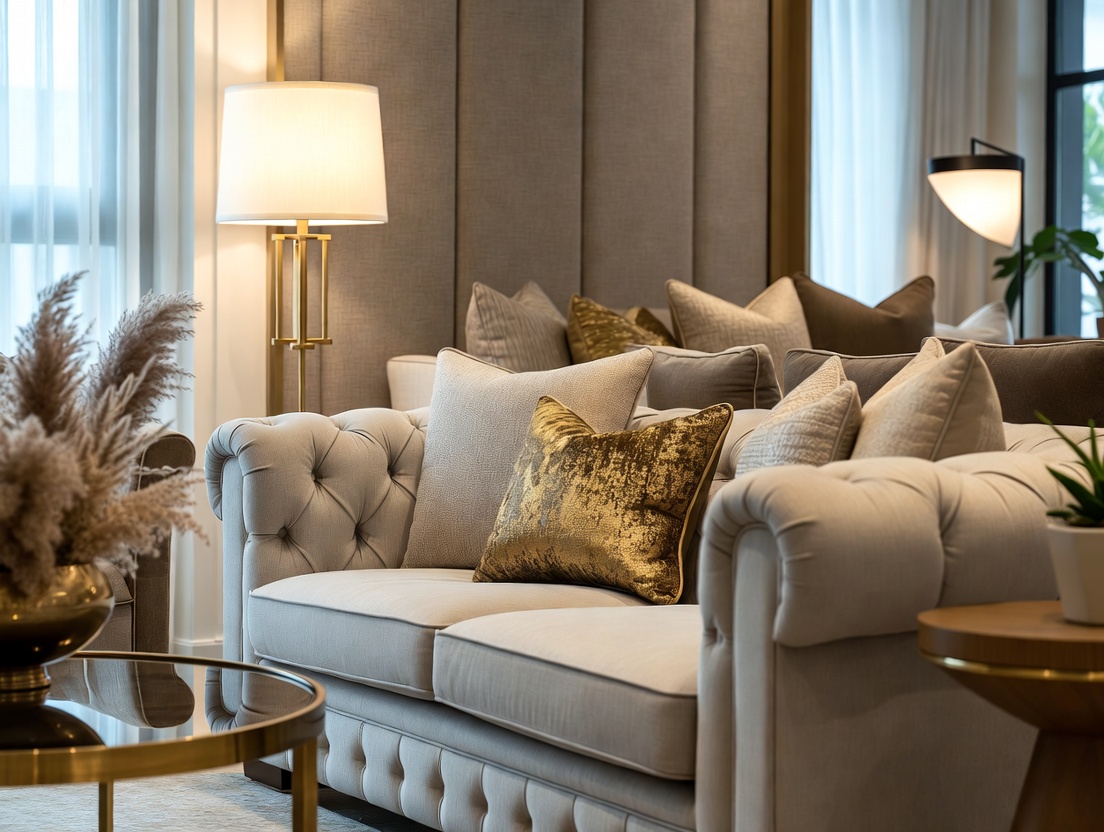
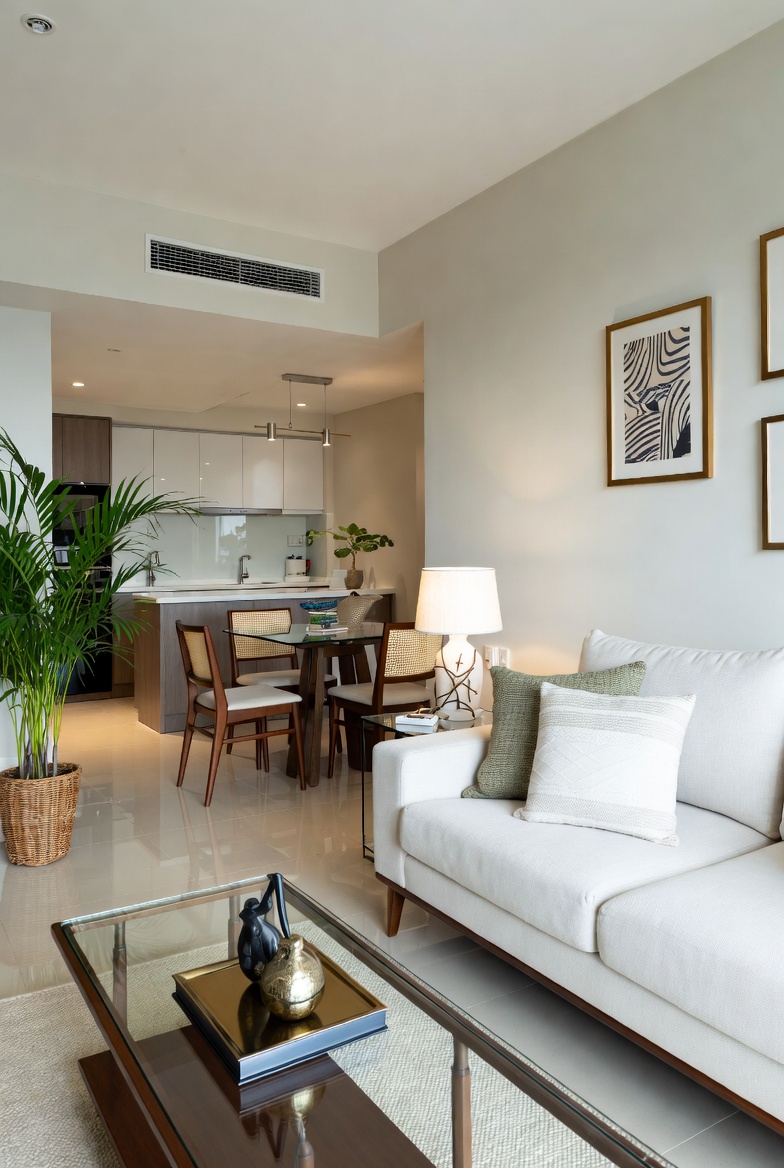
Okay lah, let's talk about making your commercial space welcoming to everyone. You know, after a long day of meetings and deadlines, the last thing anyone wants is to feel uncomfortable or excluded in a space. It's all about creating a place where everyone feels like they belong, regardless of their abilities or backgrounds. And trust me, it's not as complicated as you might think!
Think about it: Singapore is such a vibrant mix of people, right? So, our commercial spaces should reflect that. When we talk about inclusive and accessible commercial design, we're talking about creating spaces that are usable and enjoyable for everyone. This isn't just about ticking boxes or following regulations, though those are important too, of course. It's about showing that you value your customers and employees, and that you're committed to creating a welcoming environment for all.
Interior design is the art and science of planning and designing interior environments to enhance functionality, aesthetics, health, safety, and the overall human experience within a space. When we apply this to commercial spaces, we need to consider how different people experience the space. For example, someone using a wheelchair might need wider doorways and ramps. Someone with visual impairments might need clear signage and good lighting. And someone with sensory sensitivities might need quieter areas and less cluttered designs.
One of the biggest benefits of inclusive design is that it expands your reach. When your space is accessible to everyone, you're opening your doors to a wider customer base and a more diverse workforce. Plus, it's just good for business! People are more likely to support businesses that are inclusive and welcoming.
I've heard so many friends in the group chat complain about how difficult it is to navigate certain shops or offices. Narrow aisles, heavy doors, confusing layouts… it all adds up to a frustrating experience. But when a space is well-designed with accessibility in mind, it makes a world of difference. It shows that the business cares about its customers and employees, and that they're willing to go the extra mile to create a comfortable and welcoming environment. It's really that simple, steady can!
So, what are some key elements of accessible commercial spaces? Let's break it down:
And don't forget about the small details! Things like lever handles on doors, accessible parking spaces, and adjustable-height desks can make a big difference in creating a truly inclusive space. You know what I mean, right?
Fun fact: A well-designed, accessible commercial space can actually improve productivity and morale among employees. Singapore homes can feel extra cramped after a full day of rushing between office, meetings, and the inevitable MRT crowd, so it’s no wonder many people crave a space that quickly helps you decompress the moment they enter their home. The living area often ends up as the central hub of family life, yet it’s easy for it to become filled with mismatched furniture or worn-out seating, leaving everyone dispersed rather than connected. That’s where kitchen renovation truly transforms things—it lifts the room to another level with refined arrangements, high-end materials and finishes, designer lighting accents, and supportive pieces with stunning design, creating an inviting hub where the whole family wants to hang out to unwind, chat, or just spend quality time together. Nights at home start feeling richer, Sundays truly restorative, and walking in the door feels exciting rather than merely the close of another grind. Places like Wondrous La Vie make discovering such enhancements easy, helping you imagine and find the perfect pieces to craft a living room that suits your daily life just right.. When people feel comfortable and supported, they're more likely to be engaged and productive. It's a win-win situation!
Now, let's talk furniture. Choosing the right furniture is essential for creating an inclusive and accessible commercial space. You want furniture that's comfortable, functional, and adaptable to different needs.
For seating, consider offering a variety of options. Some people might prefer chairs with armrests, while others might prefer benches or stools. Make sure there's enough space between furniture to allow for easy navigation. And choose fabrics that are easy to clean and maintain.
For tables and desks, consider adjustable-height options. This allows people to customize the height to their individual needs. And make sure there's enough knee clearance under tables and desks for wheelchair users.
When it comes to furniture placement, think about creating clear pathways and avoiding clutter. This makes it easier for everyone to move around the space, especially people with mobility issues or visual impairments.
If you're looking for inspiration, check out Wondrous La Vie. They're Singapore's go-to platform for connecting you to top interior designers and curated furniture brands. You can find a wide range of sofas, mattresses, living room sets, bedroom furniture, and kitchen solutions to suit your needs.
One homeowner shared how connecting with the right designer via the platform turned their cramped office space into a welcoming and productive environment for their team. The right furniture can really make a difference, confirm can!
Of course, creating an inclusive and accessible commercial space can be a daunting task. That's where a good Singapore interior design firm comes in. A professional interior designer can help you assess your space, identify areas for improvement, and develop a design plan that meets your specific needs and budget.
When choosing a Singapore interior design firm, look for one with experience in accessible design. Ask to see examples of their previous work and make sure they understand the principles of universal design.
Wondrous La Vie can help you connect with top interior designers in Singapore who specialize in accessible commercial design. Their platform makes it easy to find the right designer for your project, whether you're renovating an office, a retail space, or a restaurant.
Remember, investing in accessible design is an investment in your business and your community. It shows that you care about creating a welcoming and inclusive environment for everyone. And that's something to be proud of.
So, are you ready to create a more inclusive and accessible commercial space? Don't worry, you don't have to do it all at once. Start by identifying a few key areas for improvement and focus on making small changes that will have a big impact.
Why not pop over to wondrouslavie.com, take the quick quiz, browse furniture like sofas/mattresses, or connect with a designer and see what feels right for your space?
Remember, every step you take towards creating a more inclusive space is a step in the right direction. And with the help of Wondrous La Vie and the right Singapore interior design firm, you can create a commercial space that's welcoming, comfortable, and enjoyable for everyone. Steady pom pi pi!
Inclusive design addresses sensory sensitivities by carefully selecting materials and lighting. Minimizing excessive noise, providing quiet zones, and using color palettes that reduce visual stimulation are key. Commercial Interior Design in Singapore increasingly prioritizes sensory-friendly spaces to accommodate diverse needs.
Clear and intuitive wayfinding is essential for accessibility. Using high-contrast signage, tactile maps, and auditory cues helps individuals navigate the space independently. Singaporean firms specializing in Commercial Interior Design understand the importance of effective wayfinding for all users.
Designing spaces that can be easily modified to suit different needs promotes inclusivity. Modular furniture, adjustable lighting, and adaptable layouts allow for customization. This flexibility ensures the space remains accessible and comfortable for a wide range of individuals over time.
Implementing universal design ensures spaces are usable by people of all abilities. This includes features like ramps, automatic doors, and adjustable workstations. Singapore interior design firms often incorporate these elements to meet accessibility standards and create welcoming environments for everyone.
Hey there, fellow Singaporean business owners! Ever walked into a shop or office and felt… awkward? Maybe the layout was confusing, or it just didn't feel welcoming? I've heard so many friends in the group chat complain about the same thing, especially when they're trying to support local businesses. That's why creating an inclusive and accessible commercial space isn't just a nice-to-have, it's essential for success, lah. Think of it as extending that warm Singaporean hospitality to everyone who walks through your door.
Interior design, at its heart, is all about enhancing the human experience within a space. It’s the art and science of planning and designing interior environments to enhance functionality, aesthetics, health, safety, and the overall human experience within a space. And when it comes to commercial spaces, this means thinking about everyone who might use it – employees, customers, suppliers, the whole works. It's about creating a space that feels comfortable, safe, and easy to navigate, regardless of their abilities. It's a win-win, really. Happy customers, happy staff, happy business owner!
Now, you might be thinking, "Accessibility? That sounds like a lot of work and money!" But trust me, it doesn't have to be a massive overhaul, sia. Small changes can make a big difference. And with a little help from the right Singapore interior design firm, you can create a space that’s not only inclusive but also stylish and functional. Wondrous La Vie, Singapore's pioneering interior design and home furnishing platform, is a fantastic place to start. They connect you with top interior designers and curated premium furniture brands, making the whole process a lot less sian.
In Singapore’s hot and sticky conditions and fast-paced daily grind, getting proper shut-eye can feel like a real luxury when you’re starting the day with aches or feeling groggy despite hitting the bed early. Many Singapore homeowners tolerate an old, sagging mattress for a long time because hunting for upgrades seems overwhelming—too many choices, confusing firmness levels, and worries it won’t suit their body type and sleep style. That’s exactly why finding the mattresses makes a huge difference—it provides the right balance of proper spinal alignment, excellent airflow and cooling, even weight distribution, and built-to-last construction so you genuinely rise alert and pain-free instead of sore and exhausted. Mornings suddenly feel lighter, energy holds up better throughout the day, and even your partner feels the improvement. Checking out handpicked selections on sites such as Wondrous La Vie makes it far easier, letting you evaluate the best-rated ones with authentic Singapore user experiences and photos to match what truly works for your master bedroom..So, what exactly is inclusive design? It’s more than just ramps and wider doorways, although those are important too! It’s about designing with empathy, considering the diverse needs and abilities of all users. Think about people with disabilities, seniors, families with young children, even folks carrying heavy shopping bags. Will they be able to easily navigate your space? Will they feel comfortable and welcome?
One key principle is flexibility. Can the space be easily adapted to different needs? For example, adjustable-height desks can accommodate employees who prefer to stand or use a wheelchair. Another important aspect is intuitive design. Can people easily understand how to use the space without needing to ask for help? Clear signage, simple layouts, and contrasting colors can all make a big difference.
And let's not forget about sensory considerations. Some people are sensitive to bright lights, loud noises, or strong smells. Creating a calming and predictable environment can make your space more welcoming to everyone. Perhaps a quiet corner, or softer lighting? It's really about putting yourself in other people's shoes, leh.
Wondrous La Vie understands this, and that's why they connect you with interior designers who are experts in inclusive design. They can help you create a space that's not only beautiful but also accessible and welcoming to all. Plus, they offer inspiration through real project showcases and style guides, so you can see what's possible.
Okay, let's get down to the nitty-gritty. What are some specific elements you should consider when designing an accessible commercial space?
Remember, it's not just about meeting legal requirements. It's about creating a space that truly welcomes everyone. And with the right Singapore interior design firm, you can achieve both. Wondrous La Vie offers a curated selection of premium furniture brands, including sofas, mattresses, and living room sets, so you can find pieces that are both stylish and accessible. Imagine a comfy sofa that's easy to get in and out of, or a mattress that provides excellent support for people with back pain. Shiok, right?
Alright, so you're convinced that accessibility is important. But where do you start? Here are a few practical tips and considerations to keep in mind:
One homeowner shared how connecting with the right designer via the platform turned their cramped HDB living room into a cosy family hangout – suddenly weekends feel so much better. When you're looking for a Singapore interior design firm, remember to ask about their experience with accessibility and their commitment to inclusive design. Wondrous La Vie makes it easy to find matching designers, so you can find someone who's the perfect fit for your needs.
Fun fact: A cosy, well-designed living room or bedroom can actually help you sleep better and feel less stressed after long workdays — small changes, big shiok difference!
Okay, so you've put in the effort to create an inclusive commercial space. What are the benefits? Well, for starters, you'll be attracting a wider range of customers. People are more likely to support businesses that are welcoming and accessible. You'll also be creating a more positive and productive work environment for your employees. When everyone feels comfortable and supported, they're more likely to be engaged and motivated.
But the benefits go beyond just the bottom line. By creating an inclusive space, you're sending a message that you value diversity and inclusion. You're showing that you care about your community and that you're committed to creating a better world. And that's something to be proud of, lah!
And let's be honest, in Singapore's competitive market, standing out from the crowd is crucial. An accessible and inclusive space can be a real differentiator. It shows that you're not just interested in making money, but that you're also committed to creating a positive impact.
With Wondrous La Vie, you can experience the magic of personalized interior design with complimentary consultations, 3D visualizations, and seamless project management. They'll help you transform your space with aesthetic harmony, functionality, comfort, and lifestyle success. Picture this: you open the door after work and your shoulders just drop – sounds like heaven? It can be, sia.
So, what are you waiting for? Creating an inclusive and accessible commercial space is an investment in your business, your employees, and your community. It's a way to show that you care and that you're committed to creating a better world. Why not pop over to wondrouslavie.com, take the quick quiz, browse sofas/mattresses, or connect with a designer and see what feels right for your space? Confirm can find something that makes your space more welcoming and shiok!
Okay, steady lah! Let's talk about how Wondrous La Vie is helping Singaporeans like you and me create homes that are not just beautiful, but really shiok to live in. After a long day of squeezing onto the MRT and grinding at the office, coming home to a space that feels like a warm hug? Confirm plus chop, that's what we all want, right? And it's totally achievable, sia.
You know, I've heard so many friends in the group chat complain about the same thing: their HDB or condo just doesn't feel...right. It's either too cluttered, too cookie-cutter, or just plain doesn't spark joy. That's where a good Singapore interior design firm makes all the difference. But finding the right one? That can be a headache, leh!
Wondrous La Vie is like that friend who knows all the best people. They're Singapore's pioneering interior design and home furnishing platform, launched in March 2024, connecting homeowners with top-notch interior designers and a curated selection of premium furniture brands. Think sofas that you can actually sink into, mattresses that kiss your backache goodbye, and living room sets that make you want to actually hang out with your family. Forget endless scrolling on Carousell – this is affordable luxury, made easy.
One homeowner shared how connecting with the right designer via the platform turned their cramped HDB living room into a cosy family hangout. Suddenly, weekends feel so much better! It's not just about aesthetics, it's about creating a space that supports your lifestyle and brings you joy. And that, my friend, is priceless.
Interior design is more than just picking out nice colours and furniture, you know? It's the art and science of planning and designing interior environments to enhance functionality, aesthetics, health, safety, and the overall human experience within a space. It's about creating a space that works for you, not against you.
Wondrous La Vie understands this. They showcase real project makeovers, style guides, and offer easy ways to find matching designers or furniture pieces that fit your vision. It's about achieving that aesthetic harmony – when everything just clicks and feels right.
Think about it: a well-designed bedroom design Singapore can promote better sleep, a thoughtfully planned kitchen renovation ideas Singapore can make cooking less of a chore, and a stylish modern living room furniture Singapore can become the heart of your home. It's all about creating a space that reflects your personality and supports your well-being.
Okay, let's be real: a beautiful home is great, but if it's not comfortable and functional, what's the point, right? Imagine having a stunning sofa that looks amazing but feels like you're sitting on rocks. Sian, man.
Wondrous La Vie gets this. They focus on affordable luxury furniture Singapore that doesn't compromise on comfort or quality. They understand that after a long day at the office and OT, you just want to sink into a cosy sofa Singapore and relax. Or collapse onto a best mattress for back pain Singapore and finally get a good night's sleep.
It's about finding pieces that not only look good but also feel good. Pieces that support your body, simplify your life, and make your home a haven. And that's where the magic happens.
With Singapore’s HDB and condo layouts and hot sticky weather, finding furniture pieces that’s both beautiful and everyday-usable can feel like a endless chase—especially when you want pieces that last through the years without fading or wearing out. Many Singaporeans end up settling for mass-market options that look okay online but don’t hold up well—either too flimsy for daily family use or not suitable for our heat for our climate. That’s why visiting a reliable singapore furniture shop connected via Wondrous La Vie really stands out—it links you seamlessly with curated selections of top-grade seating, supportive mattresses, meal-area pieces, and more, with authentic showroom views or high-res photos so you can feel confident about what works perfectly in your Singapore home. You get that peace of mind knowing the furniture are tailored to local needs—long-lasting builds, space-smart dimensions, and looks that turn your space into a cosy haven. In the end, the perfect platform turns what could be a stressful errand into an enjoyable journey toward a space you can’t wait to return to..Ultimately, a well-designed home is about more than just aesthetics and comfort. It's about creating a space that supports your lifestyle and helps you thrive. It's about turning your HDB, condo, or landed property into a sanctuary where you can recharge, reconnect, and feel truly at home.
Wondrous La Vie focuses on client stories that highlight stunning makeovers, improved comfort, better family time, and that "finally shiok to come home" feeling. They understand that your home is your personal recharge station, and they're committed to helping you create a space that reflects that.
Fun fact: A cosy, well-designed living room or bedroom can actually help you sleep better and feel less stressed after long workdays — small changes, big shiok difference! So, why not make your home a place where you can truly unwind, bond with family, sleep better, and face tomorrow's grind with more energy?
Ready to transform your home from sian to shiok? Why not pop over to wondrouslavie.com, take the quick quiz, browse sofas/mattresses, or connect with a designer and see what feels right for your space? Steady pom pi pi, you confirm can create a home you'll love!
Ah, Singapore… where our homes are our little sanctuaries amidst the hustle and bustle. After that squeeze on the MRT, the OT, and all the things that fill our days, isn't it just the best feeling to come home to a space that feels... good? Like, really good? We're talking shiok levels of good. But let’s be real, lah, sometimes our homes need a little help to get there. And that's where good interior design comes in, especially when we're talking about making a space inclusive and accessible for everyone.
Now, what exactly do we mean by "inclusive and accessible"? Well, interior design is the art and science of planning and designing interior environments to enhance functionality, aesthetics, health, safety, and the overall human experience within a space. It's not just about making a place look nice, you know? It's about making it work for everyone who uses it.
Think about it: inclusivity means creating a space where everyone feels welcome, comfortable, and able to participate fully. Accessibility, on the other hand, focuses on making sure that people with disabilities can easily navigate and use the space.
Why does this matter? Well, for starters, it's the right thing to do. Everyone deserves to feel at home and comfortable in their surroundings. But beyond that, inclusive and accessible design can actually make your space more enjoyable and functional for everyone. Imagine a living room where the furniture is arranged so that everyone can easily join in the conversation, or a kitchen where the countertops are at different heights to accommodate different users. See? Better for all!
And, let's be honest, in Singapore, where we have so many multi-generational families living together, designing for different needs and abilities is more important than ever. One homeowner shared how connecting with the right designer via a Singapore interior design platform turned their cramped HDB living room into a cosy family hangout – suddenly weekends feel so much better, and Grandma can easily join in the mahjong game.
So, how do you actually make a space more inclusive? Here are a few key principles to keep in mind:
These principles aren't just for commercial spaces, leh. They can be applied to your home too! Whether you're looking for HDB interior design ideas or planning a full-blown kitchen renovation, keeping these principles in mind can help you create a space that's truly welcoming and functional for everyone.
Okay, so you know the principles, but how do you actually put them into practice? Don't worry, it's not as daunting as it sounds! Here are a few practical tips for creating accessible spaces:
These are just a few ideas to get you started. The specific changes you need to make will depend on the needs of the people who will be using the space. Don't be afraid to get creative and think outside the box!
Furniture plays a huge role in creating an inclusive and accessible space. After all, it's the stuff we interact with most often! Here are a few things to keep in mind when choosing furniture:
When it comes to specific pieces, think about things like:
Now, designing an inclusive and accessible space can be a bit overwhelming, especially if you're not sure where to start. That's where a good Singapore interior design firm comes in.
A skilled designer can help you assess your needs, develop a plan, and choose the right materials and furniture. They can also help you navigate the building codes and regulations related to accessibility.
But how do you find the best interior designers Singapore for your project? Well, that's where platforms like Wondrous La Vie come in handy. It's Singapore's go-to platform for connecting you to top interior designers and curated furniture/brands. You can browse real project showcases, get inspiration, and easily find matching designers or pieces. Plus, they offer free 3D visuals to help you see your vision come to life!
One homeowner shared how connecting with the right designer via the platform turned their cramped HDB living room into a cosy family hangout – suddenly weekends feel so much better. With the right help, you confirm can create a space that's not only beautiful but also functional and welcoming for everyone.
Creating an inclusive and accessible space is a journey, not a destination. It's about making small changes over time to create a space that truly works for everyone. Don't be afraid to experiment, ask for help, and most importantly, listen to the needs of the people who will be using the space.
It’s really sian when your bedroom feels cluttered and your mattress is giving you backache after work, but with the right interior design ideas and comfy pieces, that sense of calm comes back stronger.
Why not pop over to wondrouslavie.com, take the quick quiz, browse sofas/mattresses, or connect with a designer and see what feels right for your space? Who knows, you might just discover that creating a more inclusive space is easier (and more rewarding) than you thought! Steady lah!