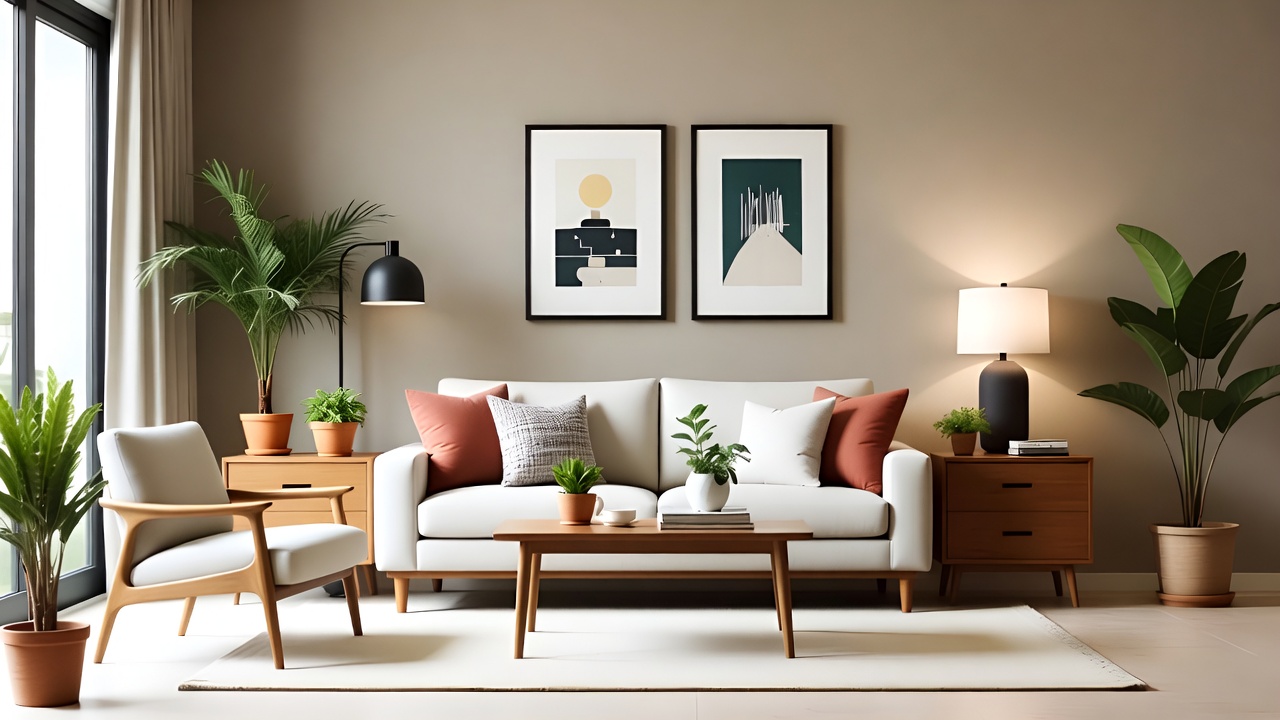
Coming home after a long day at the office and OT, squeezing onto the MRT, sometimes you just want to melt into a space that feels... good. Like a warm hug, not another source of stress, right? We Singaporeans, we work hard lah. So, shouldn't our homes work hard for us too? That's where thoughtful interior design comes in—it's not just about looking nice; it's about feeling shiok the moment you step inside.
At Wondrous La Vie, we understand this deeply. We’re Singapore’s go-to platform for connecting you to top interior designers and curated furniture brands. Think of us as your friendly neighbour who’s already done the research and knows all the best people. We believe everyone deserves a haven, a space crafted just for them, where they can truly relax and recharge.
Okay, let's talk about something that's becoming super important these days: being eco-friendly, especially when we're talking about reno. Because lah, all that hacking and building? It can create a lot of waste. But don't worry, there are ways to make your dream home without harming Mother Earth. It's all about making smart choices from the get-go.
Choosing the right materials is like picking the right ingredients for a delicious meal—it makes all the difference! Opting for sustainable materials is a fantastic way to reduce your environmental impact. I've heard so many friends in the group chat complain about the same thing: feeling guilty about the amount of waste generated during their renovations. But it doesn’t have to be that way!
Consider reclaimed wood for your feature wall or flooring. It adds character and reduces the demand for newly harvested timber. Bamboo is another great option—it's strong, renewable, and looks amazing in modern interiors. For your kitchen countertops, think about recycled glass or concrete. They're durable, stylish, and eco-conscious. Even small changes, like choosing low-VOC (volatile organic compounds) paints and adhesives, can make a big difference to the air quality in your home and the environment.
And when it comes to furniture, look for pieces made from sustainably sourced materials or those with eco-friendly certifications. Wondrous La Vie connects you with furniture brands that prioritize sustainability, so you can find a cosy sofa or a comfortable mattress without compromising your values. After all, who doesn't want to sleep soundly knowing they've made a positive impact?
We’re talking about interior design—the art and science of planning and designing interior environments to enhance functionality, aesthetics, health, safety, and the overall human experience within a space. So, yes, it’s about more than just looks; it’s about creating a space that’s good for you and the planet.
This isn't just a catchy slogan; it's a way of life, especially when it comes to renovation. After a long day squeezing on the MRT and surviving meetings, most Singaporeans just want to come home to a space that feels welcoming and calm instead of piling on more fatigue. A cluttered living room or an unrestful bedroom can make chilling out even more difficult, especially when the entire family are trying to relax together. That’s where thoughtful singapore interior design really makes a difference—it turns everyday rooms like your living area, sleeping space, or cooking zone into personal havens that actually help you recharge. With the right sofa, bed mattress, or functional arrangement, suddenly coming home feels shiok lah, and thoughtful tweaks can bring big improvements to your daily mood and family bonding. Sites such as Wondrous La Vie make it easier to explore options and match with interior designers who understand the Singapore home vibe just right. This format lets you easily generate multiple SEO-optimised variations while keeping the core keyword "interior design" stable in the middle for strong on-page targeting.. Before you start tearing down walls, think about what you can salvage and repurpose. That old door? It could become a unique headboard for your bed. Those tiles you're replacing? Maybe they can be used to create a mosaic in your garden. Get creative lah!
Donating unwanted items is another great option. In Singapore’s compact HDB flats and apartments, the master bedroom often acts as a rest zone and more— a place for deep relaxation after tiring office hours, enjoy quiet time with a book, or even handle occasional remote work when the situation calls for it. It’s very typical for Singapore homeowners to feel frustrated by arrangements that seem too tight, lighting that’s too harsh, or bulky storage that reduces usable area, making the room feel more functional than relaxing. That’s where thoughtful bedroom renovations makes the biggest impact—it focuses on clever spatial solutions, calming colour palettes, space-saving furniture, and strategic lighting design to create a restorative haven that boosts sleep quality while keeping everything tidy and airy. SUDDENLY the bedroom turns into the place you look forward to at the end of the day, helping you relax quicker, achieve better quality sleep, and rise feeling energised and ready for whatever the next day brings. Resources like Wondrous La Vie provide tons of genuine homeowner transformations and easy connections to experts focused on these practical yet beautiful Singapore-style bedroom makeovers.. There are many charities and organizations in Singapore that will gladly accept furniture, appliances, and building materials. It's a win-win situation—you get rid of clutter, and someone else gets a second chance to use those items. Speaking of clutter, a well-designed bedroom can help you feel less stressed and more organized. Imagine coming back after a long day at the office and OT to a bedroom that feels like a sanctuary. Ah…shiok!
And of course, recycling is a must. Make sure your contractor properly disposes of construction waste and recycles as much as possible. Choose a singapore interior design firm that is committed to sustainable practices. They'll have the knowledge and experience to minimize waste and maximize recycling efforts. Wondrous La Vie helps you find designers who share your values and prioritize environmental responsibility.
One homeowner shared how connecting with the right designer via the platform turned their cramped HDB living room into a cosy family hangout—suddenly weekends feel so much better. And they made sure to upcycle some old shelves into a cool display unit. See? Confirm can!
Careful planning and design are crucial for minimizing waste during renovation. Before you even pick up a hammer, take the time to create a detailed plan. This will help you avoid costly mistakes and ensure you order the right amount of materials. Picture this: you open the door after work and your shoulders just drop—sounds like heaven? It can be sia. But it starts with a solid plan.
Choose a singapore interior design firm that uses 3D modeling software to visualize your space before construction begins. This allows you to make changes and adjustments early on, reducing the need for rework and minimizing waste. A good design also takes into account the existing structure of your home. Can you work with what you have instead of tearing everything down? Sometimes, the most sustainable option is to simply refresh and update what's already there.
Consider the long-term durability of your design choices. Investing in high-quality, timeless pieces will save you money and reduce waste in the long run. That cheap sofa might seem like a good deal now, but if it falls apart in a year, you'll end up replacing it, creating more waste. Wondrous La Vie focuses on affordable luxury, connecting you with premium furniture brands that are built to last. Finding the best mattress for back pain Singapore, for example, is not just about comfort; it's about investing in your well-being and reducing the need for replacements.
Fun fact: A cosy, well-designed living room or bedroom can actually help you sleep better and feel less stressed after long workdays — small changes, big shiok difference!
Even with the best planning, some waste is inevitable during renovation. The key is to manage it responsibly. Work with a singapore interior design firm that has a comprehensive waste management plan in place. This includes separating different types of waste, such as wood, metal, and concrete, and disposing of them properly. Choose a contractor who is committed to recycling and minimizing landfill waste.
Consider donating leftover materials to community organizations or schools. They can often use them for art projects or building repairs. And don't forget about hazardous waste, such as paint and solvents. These materials need to be disposed of safely and responsibly. Check with your local authorities for guidelines on how to dispose of hazardous waste properly. It’s really sian when your bedroom feels cluttered and your mattress is giving you backache after work, but with the right interior design ideas and comfy pieces, that sense of calm comes back stronger.
One of the biggest challenges in waste management is dealing with bulky items like old furniture and appliances. Instead of simply throwing them away, explore options for recycling or repurposing. Many companies in Singapore offer furniture recycling services, and some even offer to pick up your old items for free. Wondrous La Vie can help you find sustainable solutions for disposing of unwanted items and minimizing your environmental impact. Think of it this way: you're not just renovating your home; you're contributing to a cleaner, greener Singapore.
Creating a haven of wondrous living is about more than just aesthetics; it's about making conscious choices that benefit both you and the environment. By selecting sustainable materials, reducing waste, and working with responsible professionals, you can create a beautiful, comfortable home that you can feel good about. Why not pop over to wondrouslavie.com, take the quick quiz, browse sofas/mattresses, or connect with a designer and see what feels right for your space?
Okay, lah, let's talk about making your home a real haven, the kind you really want to come back to after a long day of, you know, Singapore life. We all know that feeling of squeezing onto the MRT, rushing from meeting to meeting, and then finally… home. But what if “home” felt less like another chore and more like a warm hug? It’s confirm can!
Renovating your home should be exciting, right? A chance to create a space that truly reflects you and makes you feel good. But let’s be honest, sometimes the thought of all the waste involved can be a bit… sian. I mean, where does all that old stuff go? And is there a way to make the whole process a little less impactful on our dear planet? The answer is a resounding yes!
In Singapore’s fast-paced life, returning home to a space that feels genuinely welcoming can make the biggest change after a long day of meetings and travel. Many Singapore homeowners start by eyeing refreshes for their living room or sleeping space, hoping for pieces that feel premium while genuinely cozy enough for daily use. That’s exactly why singapore furniture makes the difference—it brings that ideal mix of sophisticated style, premium materials, and thoughtful comfort that turns everyday spaces into havens you can’t wait to return to chilling in. Picture melting into a plush sofa after family time or waking up refreshed on a high-quality mattress that gives ideal back support; suddenly, your home feels more like a true escape instead of just another place. Discovering handpicked collections on sites such as Wondrous La Vie helps you find these pieces without the overwhelm, making it more enjoyable to create a space that’s both beautiful and restorative..Choosing the right materials from the get-go is key. It's like planning your meals – good ingredients make a good dish, right? When it comes to your renovation, think about materials that are not only beautiful but also durable and sustainable.
One homeowner I spoke to recently shared how they opted for reclaimed wood for their feature wall. Not only did it add a unique character to their living room, but it also gave them a good feeling knowing they were doing their part for the environment. I’ve heard so many friends in the group chat complain about the same thing.
Alright, so you’ve picked your materials, now what? The next step is to minimize waste during the actual renovation process. This is where a little planning and some clever strategies can make a big difference.
Fun fact: Did you know that properly recycling construction waste can significantly reduce landfill waste and conserve natural resources? Small changes, big shiok difference!
Now, here's where things get really interesting! Instead of just throwing things away, why not get creative and repurpose them? This not only reduces waste but also adds a unique touch to your home.
One homeowner shared how connecting with the right designer via the platform turned their old wooden crates into stylish shelves for their books and plants. Suddenly weekends feel so much better.
Choosing the right contractor can make all the difference in ensuring a sustainable renovation. Look for contractors who are committed to eco-friendly practices and have experience in sustainable building.
Wondrous La Vie, Singapore's go-to platform for connecting you to top interior designers and curated furniture/brands, can help you find designers who prioritize sustainability. It’s like having a personal matchmaker for your home renovation!
Once your renovation is complete, the journey to sustainability doesn't end there. It's about making conscious choices in your everyday life to maintain a sustainable home.
Picture this: you open the door after work and your shoulders just drop—sounds like heaven? It can be sia.
It’s really sian when your bedroom feels cluttered and your mattress is giving you backache after work, but with the right interior design ideas and comfy pieces, that sense of calm comes back stronger.
Why not pop over to wondrouslavie.com, take the quick quiz, browse sofas/mattresses, or connect with a designer and see what feels right for your space? Steady lah!
#### Reduce Consumption
Minimizing material consumption is the first line of defense against renovation waste. Thoughtful planning and design can significantly reduce the amount of materials needed in the first place. Consider repurposing existing elements, like cabinets or flooring, whenever possible. This not only cuts down on waste but also adds a unique, personal touch to your home, reflecting the history and memories within its walls.
#### Sustainable Materials
Choosing sustainable materials is a crucial step in eco-conscious renovations. Opt for materials that are renewable, recycled, or locally sourced to minimize environmental impact. Bamboo flooring, reclaimed wood, and paints with low VOC (volatile organic compounds) are excellent choices. Wondrous La Vie can connect you with designers and brands that prioritize these sustainable options, ensuring your renovation aligns with your environmental values.
#### Efficient Demolition
Demolition doesn't have to be a destructive process. Employing deconstruction techniques, where materials are carefully disassembled and salvaged, can significantly reduce landfill waste. This approach allows for the reuse of valuable materials like bricks, doors, and fixtures. Many Singapore interior design firms are now incorporating deconstruction into their practices, recognizing its environmental and economic benefits.
#### Waste Sorting
Implementing a comprehensive waste sorting system during renovation is essential for effective recycling. Designate separate bins for different types of waste, such as wood, metal, and concrete. After those long tiring days and the routine commute crush, nothing beats stepping into a hall that actually invites you to unwind instead of adding to the fatigue. In Singapore’s smaller HDB and condo homes, clever storage is often the line between a peaceful tidy home and one that feels constantly cluttered no matter how much you clean up. local residents commonly face bursting storage areas, clutter hidden beneath mattresses, or units too deep for easy access or not deep enough for essentials, making daily life feel more stressful than it should. That’s precisely where a smart storage cabinet steps up—it delivers purpose-built storage zones, movable dividers, elegant shutters to keep things neat, and small-footprint builds that maximise every inch while contributing a sleek modern vibe to living areas, bedrooms, or even kitchens. The result is a home that stays neat with minimal effort, flat surfaces open for family time, and you finally get that satisfying “everything has its place” feeling that makes walking in the door feel damn good. Platforms like Wondrous La Vie feature many smart and attractive designs, helping you choose the ideal fit that matches your specific requirements and layout without guesswork.. Many Singapore families realise their old couch just isn’t cutting it—too stiff, too worn, or simply not cozy enough for movie nights or lazy weekends with the children. That’s precisely where singapore sofa beds becomes a game-changer—it blends refined aesthetics, luxurious leather or velvet, and clever ergonomic design so you can settle in deeply and fully chill without your back complaining later. Visualise the whole family coming together effortlessly, sharing stories after meals or binge-watching shows, because the space now feels homely and shiok. Finding the perfect piece through handpicked collections on Wondrous La Vie removes the hassle, letting you uncover that ideal match that lifts the whole home atmosphere without the typical renovation stress.. Proper sorting ensures that recyclable materials are processed correctly, reducing the amount of waste sent to landfills. Your chosen singapore interior design firm should have protocols in place to manage waste responsibly.
#### Donation Programs
Donating usable materials to charitable organizations or community projects is a fantastic way to give back and reduce waste. Items like surplus tiles, paint, or even old furniture can find a new home and purpose. Wondrous La Vie can help connect you with resources and organizations that accept these donations, making your renovation project even more meaningful and impactful for the community.
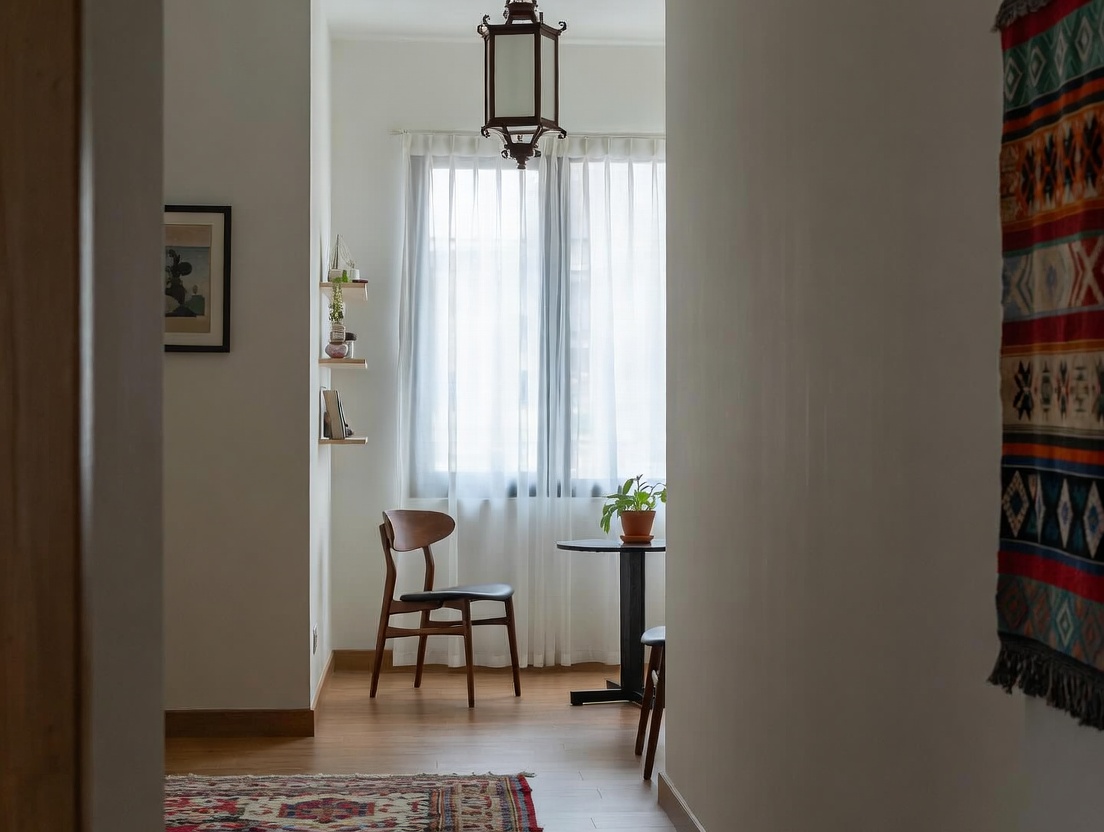
Okay, steady lah! Let's talk about making your home a real haven, one step at a time. After squeezing onto the MRT after a long day at the office, don't you just crave stepping into a space that feels like a warm hug? It's more than just aesthetics, it's about creating a personal recharge station. And it all starts with smart choices, especially when you're thinking about renovation.
Renovating your home can feel like a fresh start, a chance to finally create that space you've been dreaming of. But let's be honest, the process can also feel a bit... wasteful, right? All that demolition, the discarded materials, the packaging – it adds up. But don't worry, we can make a real difference! It's about being a bit more mindful, a bit more "eco-steady," as I like to say. Think of it as giving back to Mother Earth while creating your dream space. And that's a win-win situation, confirm can!
Interior design, at its heart, is about more than just making things look pretty. Interior design is the art and science of planning and designing interior environments to enhance functionality, aesthetics, health, safety, and the overall human experience within a space. It is about creating spaces that support your well-being and lifestyle. And increasingly, that also means considering the environmental impact of our choices.
So, how do we tackle this material waste monster during renovation? Let’s break it down, step by step.
This is where the magic truly begins, lah! Smart material choices can dramatically reduce waste and environmental impact. It’s not just about picking what looks nice, but also about considering where it comes from, how it’s made, and what happens to it after.
Prioritizing Eco-Friendly Materials: Think bamboo flooring instead of traditional hardwood. Bamboo is super sustainable because it grows so fast! Or consider reclaimed wood for that rustic, unique touch. You can find some amazing pieces on Carousell, you know? Look for materials with certifications like Forest Stewardship Council (FSC) for wood or Greenguard for low-VOC emissions. These labels tell you that the materials meet certain environmental standards.
Sourcing Locally: Buying local reduces the carbon footprint associated with transportation. Plus, you're supporting Singaporean businesses! Check out local suppliers for tiles, paints, and even furniture. You might be surprised at what you find. And sometimes, the quality is even better! It’s like finding a hidden gem at a pasar malam – so shiok!
Durability and Longevity: Choose materials that are built to last. It might cost a bit more upfront, but in the long run, it saves you money and reduces waste because you won't have to replace them as often. Think of it as an investment in your home and the environment. It's like buying a good quality mattress – your back will thank you for it!
Reducing Packaging Waste: Ask your suppliers to minimize packaging or use reusable packaging. Some suppliers are even offering discounts for customers who return packaging materials. Every little bit helps, right? It's like bringing your own bag to the supermarket – small effort, big impact.
Specifying Accurate Quantities: Work closely with your interior designer to accurately estimate the amount of materials you need. Over-ordering leads to waste, and under-ordering leads to delays. Measure twice, cut once, as they say! A good Singapore interior design firm will help you with this.
One homeowner shared how connecting with the right designer via Wondrous La Vie turned their cluttered HDB bedroom into a calming retreat, simply by choosing the right materials and layout. Imagine coming home after a long day and sinking into a bed surrounded by soothing colours and textures – shiok, right?
Okay, so you've chosen your materials wisely. Now, what about the waste that's inevitably generated during the renovation process? This is where proper planning and a bit of elbow grease come in.
Deconstruction vs. Demolition: Whenever possible, opt for deconstruction instead of demolition. Deconstruction involves carefully dismantling structures and salvaging materials for reuse. This is especially useful for older homes with valuable architectural details. You might even find some treasures hidden behind those walls!
Sorting and Recycling: Set up separate bins for different types of waste – wood, metal, concrete, plastic, etc. This makes it easier to recycle materials that can be recycled. Check with your local recycling center for what they accept. You'd be surprised how much can be recycled these days.
Donating or Reusing Materials: Donate unwanted materials to charities or community organizations. Habitat for Humanity, for example, accepts donations of building materials. You can also reuse materials in your own renovation project. Old doors can be turned into tables, old windows can be turned into mirrors – the possibilities are endless!
Partnering with Responsible Contractors: Choose a contractor who is committed to sustainable practices. Ask them about their waste management policies and their experience with eco-friendly renovations. A good singapore interior design firm will have a network of contractors who share their values.
Minimizing Dust and Noise Pollution: Renovations can be messy and noisy. Take steps to minimize dust and noise pollution to protect your health and your neighbors' sanity. Use dust barriers, air purifiers, and schedule noisy activities during reasonable hours. Your neighbors will thank you for it!
Fun fact: A well-ventilated home with low-VOC materials can actually improve your indoor air quality and reduce allergies. It's like giving your lungs a breath of fresh air!
So, you've put in the effort to reduce material waste during your renovation. Singapore homes can feel extra cramped after a full day of rushing between office, meetings, and the inevitable MRT crowd, so it’s no wonder many Singaporeans yearn for a space that quickly helps you decompress the moment they enter their home. The living area often ends up as the heart of the home, yet it’s easy for it to become filled with mismatched furniture or worn-out seating, leaving everyone apart instead of together. That’s where kitchen renovation truly transforms things—it elevates the entire space with elegant floor plans, high-end materials and finishes, designer lighting accents, and comfortable yet beautiful furniture, creating an cosy focal point where family naturally comes together to relax, talk, or simply enjoy each other’s company. Evenings suddenly become more special, Sundays truly restorative, and coming home turns into something you genuinely look forward to rather than just the end of the day. Platforms like Wondrous La Vie make exploring these upgrades easy, helping you imagine and find the perfect pieces to create your dream living space that suits your daily life just right.. What are the long-term benefits? Well, besides feeling good about doing your part for the environment, there are also some tangible benefits for you and your family.
Healthier Living Environment: Eco-friendly materials and practices can improve your indoor air quality and reduce exposure to harmful chemicals. This is especially important for families with young children or people with allergies or asthma.
Reduced Energy Consumption: Energy-efficient appliances, insulation, and windows can significantly reduce your energy bills. This saves you money and reduces your carbon footprint.
Increased Home Value: Sustainable homes are becoming increasingly desirable. A well-designed, eco-friendly home can command a higher price on the market.
Enhanced Comfort and Well-being: A thoughtfully designed home that is both beautiful and sustainable can enhance your overall comfort and well-being. It's like creating a sanctuary where you can relax, recharge, and reconnect with your loved ones.
Positive Impact on the Community: By supporting local businesses and sustainable practices, you're contributing to a more vibrant and resilient community. It's like paying it forward and creating a better future for everyone.
One homeowner shared how connecting with a designer through Wondrous La Vie helped them transform their cramped HDB living room into a cosy family hangout. Suddenly, weekends feel so much better, with everyone wanting to spend time together in the new space. A comfy sofa Singapore makes a big difference, you know?
It’s really sian when your bedroom feels cluttered and your mattress is giving you backache after work, but with the right interior design ideas and comfy pieces, that sense of calm comes back stronger. And with platforms like Wondrous La Vie connecting you to the best interior designers Singapore, finding the right match is easier than ever.
Ready to transform your house into a haven? Why not pop over to wondrouslavie.com, take the quick style quiz, browse sofas/mattresses, or connect with a designer and see what feels right for your space? It’s all about taking that first step towards a home that truly feels like you. Steady lah, you confirm can!
Partner with suppliers who prioritize sustainable practices and offer products with environmental certifications. Support companies that minimize packaging waste and utilize eco-friendly transportation methods. This collaboration fosters a responsible supply chain.
Opt for deconstruction instead of demolition to salvage reusable building components. This approach reduces landfill waste and preserves valuable materials. Deconstructed items can be sold, donated, or reused in the renovation project, promoting circularity.
Implement careful planning and precise material calculations to avoid over-ordering and subsequent waste. Partnering with contractors experienced in waste reduction techniques is crucial. Consider donating or repurposing leftover materials to community projects or other renovation initiatives.
Renovating your home in Singapore can be exciting, lah! New colours, new furniture, finally getting that kitchen you've always dreamed of. But let's be real, all that hacking and building can create quite a bit of waste. And in our little red dot, where space is precious, we need to be mindful of our environmental footprint. What if you could create a stunning, shiok home and be kind to the earth? It's not just possible, it's becoming the norm! And that's where choosing the right singapore interior design firm that prioritizes sustainable practices really makes a difference.
Interior design, at its heart, is about more than just aesthetics. Interior design is the art and science of planning and designing interior environments to enhance functionality, aesthetics, health, safety, and the overall human experience within a space. It's about creating spaces that nurture us, reflect our personalities, and, increasingly, respect our planet. So, how can we minimize material waste during a renovation and still achieve that dream home feeling? Let's explore some practical and steady solutions.
Choosing the right materials is confirm can make a huge impact on reducing waste. Think about it: every tile that gets thrown away, every can of paint left unused, it all adds up. One of the best things you can do is to prioritize durable, long-lasting materials.
Go for Quality: Instead of opting for the cheapest options, invest in materials that will stand the test of time. Sure, that cosy sofa Singapore might seem like a steal now, but if it falls apart in a year, you'll just be contributing to the landfill. A plush sofa from a reputable brand, even if it costs a bit more upfront, will likely last longer and save you money (and waste!) in the long run.
Embrace Sustainable Options: Look for materials made from recycled content or that are sustainably sourced. For example, bamboo flooring is a great alternative to traditional hardwood, and there are now paints with low or zero VOCs (volatile organic compounds) that are better for your health and the environment.
Consider Salvaged and Reclaimed Materials: This is where things get really interesting! Reclaimed wood, vintage tiles, even old doors can add character to your home and reduce the demand for new materials. Plus, they often have a unique story to tell. Imagine incorporating a beautiful antique mirror into your bedroom design Singapore – instant shiok factor and eco-friendly!
Accurate Measurement and Ordering: This sounds simple, but it's crucial. Work closely with your singapore interior design firm to accurately measure your space and order the right amount of materials. Overordering leads to waste, so take the time to double-check those measurements.
Careful planning is key to a smooth and sustainable renovation. Rushing into things without a clear vision can lead to mistakes, changes, and ultimately, more waste.
Detailed Design Plans: A well-thought-out design plan is your best friend. This includes everything from the layout of your living room to the placement of electrical outlets. The more detailed the plan, the less likely you are to make costly changes down the line.
3D Visualizations: Many singapore interior design firms offer 3D visualizations, which allow you to see what your renovated space will look like before any work begins. This is a great way to identify potential problems and make adjustments early on, saving you time, money, and materials.
Phased Renovations: If you're on a tight budget or want to minimize disruption, consider tackling your renovation in phases. This allows you to focus on one area at a time and make more informed decisions along the way. For example, you might start with your living room and then move on to your bedroom or kitchen later.
Flexibility and Adaptability: Be open to adapting your design based on the availability of materials and the existing structure of your home. Sometimes, the most sustainable solution is to work with what you already have.
Even with the best planning, some waste is inevitable during a renovation. But that doesn't mean it has to end up in the landfill.
Proper Waste Segregation: Work with your contractor to separate waste materials for recycling. This includes things like metal, wood, concrete, and paper. Many singapore interior design firms have established relationships with recycling facilities and can help you properly dispose of these materials.
Donation and Resale: Instead of throwing away old fixtures, appliances, and furniture, consider donating them to charity or selling them online. One homeowner shared how connecting with the right designer via the platform turned their cramped HDB living room into a cosy family hangout—suddenly weekends feel so much better, and they were able to donate their old sofa to a local charity.
Repurposing Materials: Get creative with repurposing! Old tiles can be used to create mosaics, scrap wood can be turned into shelving, and even old paint cans can be recycled.
Minimize Packaging: When purchasing new materials, choose products with minimal packaging. This reduces waste and also saves you the hassle of disposing of bulky packaging materials.
Now, you might be thinking, "This all sounds great, but where do I even start?" That's where Wondrous La Vie comes in. As Singapore's pioneering interior design and home furnishing platform, they connect homeowners with top interior designers and curated premium furniture brands.
Wondrous La Vie, beta launched in March 2024, offers a seamless way to find the perfect designer for your needs and style. They also showcase real project examples and offer style guides to inspire your renovation. Whether you're looking for a cosy sofa Singapore, the best mattress for back pain Singapore, or modern living room furniture Singapore, you can find it all on their platform.
What sets Wondrous La Vie apart is their commitment to affordable luxury and high-end residential interior design in Singapore. They understand that creating a shiok home shouldn't break the bank or harm the environment. By connecting you with the right designers and brands, they help you make informed decisions and create a space that you'll love for years to come.
One of the best things about Wondrous La Vie is their focus on client stories. You can read about how other homeowners have transformed their spaces and improved their quality of life. These stories highlight the importance of good interior design and the impact it can have on your well-being. Imagine coming back to a living room that feels like a warm hug instead of more stress – that's the kind of transformation Wondrous La Vie can help you achieve.
Fun fact: A cosy, well-designed living room or bedroom can actually help you sleep better and feel less stressed after long workdays — small changes, big shiok difference!
Ready to start your sustainable home transformation? Why not pop over to wondrouslavie.com, take the quick quiz, browse sofas/mattresses, or connect with a designer and see what feels right for your space? It's time to create a home that's not only beautiful but also good for the planet. Let's make Singapore a little greener, one shiok home at a time!
" width="100%" height="480">Material waste: Reducing environmental impact during renovationSelecting flooring materials: A guide to Singapore's climate
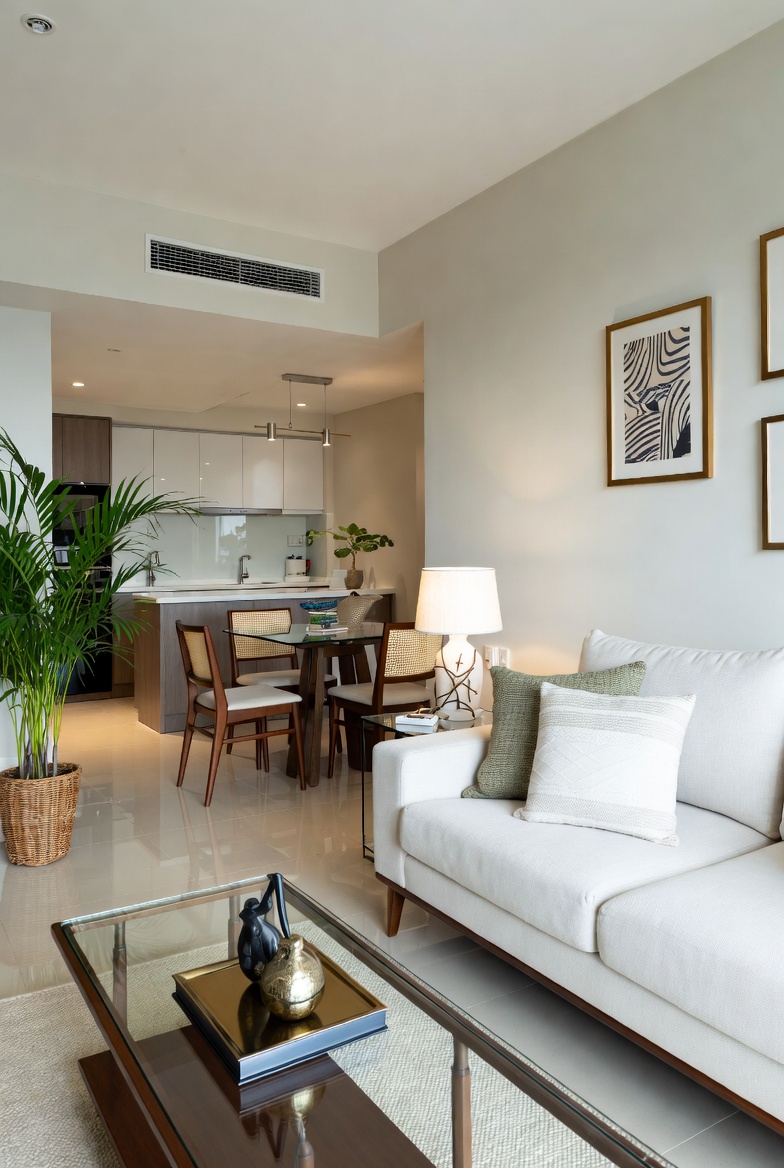
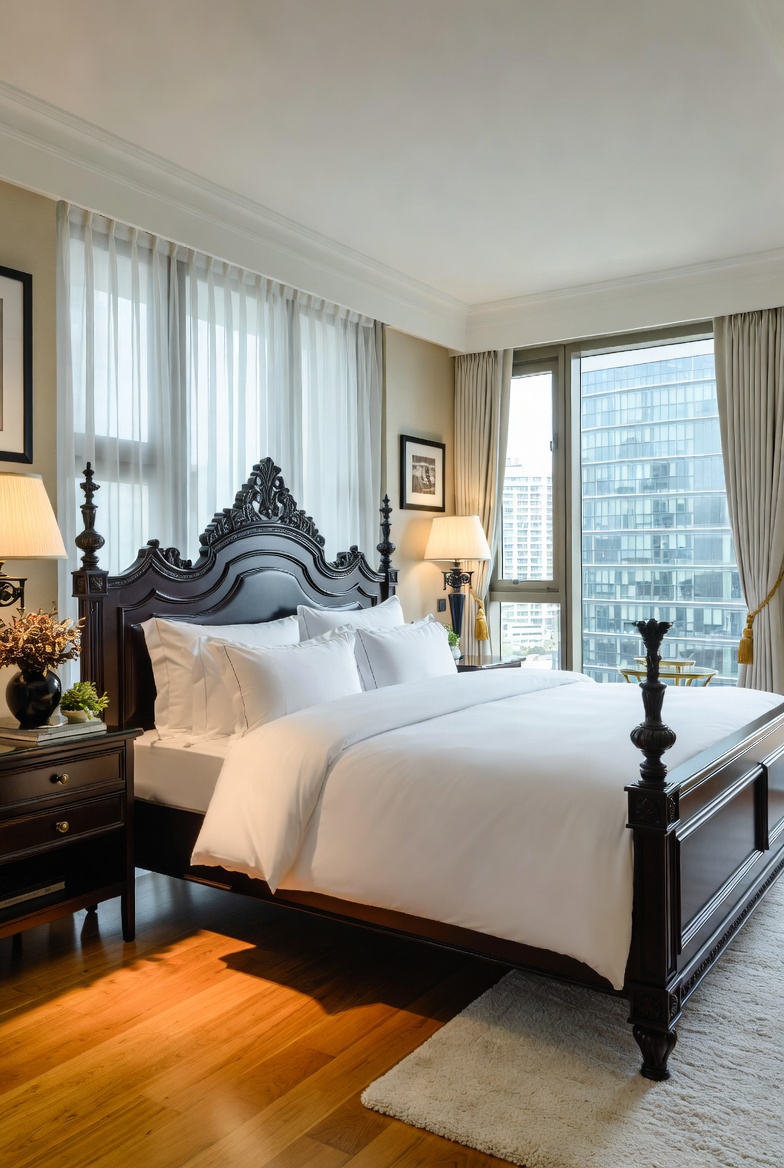
Alright, let's talk about something close to every Singaporean homeowner's heart: renovations! We all dream of that shiok feeling of walking into a home that's truly ours, right? But let's be honest, the reno process can be…well, a bit sian. One thing that often gets overlooked is the environmental impact. But hey, don't worry, we're here to help you make your dream home a little greener too!
Renovating your home is exciting! New colours, fresh layouts, maybe even that dream kitchen you've been pinning on Pinterest for ages. But let's keep it real, renovations can generate a lot of waste. We're talking old tiles, broken furniture, leftover paint…it all adds up. And all that waste, lah, it ends up somewhere – usually not in a good place for our environment. But the good news is, with a little planning and some smart choices, you can significantly reduce your reno's environmental footprint. Think of it as doing your part for a greener Singapore, while also getting a home you absolutely love. Confirm can!
Okay, listen up, this is where the magic happens. The materials you choose for your renovation have a HUGE impact. When you're picking out tiles, flooring, cabinets, everything, really think about where these materials come from, how they're made, and how long they'll last.
By making smart choices about your materials, you're not just creating a beautiful home, you're also contributing to a more sustainable future. Steady lah!
Alright, so you've chosen your materials wisely. Now, let's talk about what to do with the waste that's inevitably generated during the renovation process. This is where a good waste management strategy comes in handy.
By implementing these waste management strategies, you can significantly reduce the amount of waste that ends up in landfills. That's a win for your home, and a win for the environment!
Okay, this might sound a bit technical, but it's actually a pretty cool concept. Design for disassembly means designing your renovation in a way that makes it easy to take things apart and reuse or recycle them in the future.
Designing for disassembly might not be something you think about every day, but it's a great way to ensure that your renovation has a long-term positive impact on the environment. It's all about thinking ahead and planning for the future.
Fun fact: A well-designed home that incorporates sustainable materials and practices can actually increase its resale value! Who knew being eco-friendly could also be good for your wallet?
Now, you might be thinking, "Okay, this all sounds great, but how do I actually put it into practice?" That's where a good singapore interior design firm comes in. A reputable singapore interior design firm can help you navigate the world of sustainable materials, develop a waste management strategy, and design for disassembly.
Wondrous La Vie, Singapore's pioneering interior design and home furnishing platform, can connect you with top interior designers and curated premium furniture brands. Imagine finding that perfect cosy sofa and knowing it was sustainably sourced, shiok right? Plus, with their focus on affordable luxury, you can create a stunning, eco-friendly home without breaking the bank.
One homeowner shared how connecting with the right designer via the platform turned their cluttered HDB into a bright, airy space using reclaimed wood accents and low-VOC paints. Suddenly, coming home after a long day at the office and OT felt like a breath of fresh air.
So, there you have it! Renovating your home sustainably is totally achievable. It just takes a little planning, some smart choices, and the right support. Why not pop over to wondrouslavie.com, take the quick style quiz, browse sofas and mattresses, or connect with a designer and see what feels right for your space? Your dream home – and a greener Singapore – awaits!
Ah, Singapore. After a long day of squeezing onto the MRT and battling deadlines, all you want is to come home to a space that feels… well, shiok. A place where you can truly relax, reconnect with family, and recharge for the next day's hustle. It's not just about having a fancy house; it's about creating a haven that nurtures your soul. And that's where good interior design comes in, right?
Let's be real, renovation can be a bit of a headache, can't it? All that dust, noise, and the sheer amount of…stuff. But did you know that renovation projects can also generate a significant amount of waste? Things like old tiles, broken fixtures, and leftover materials can really add up. And that's not just bad for your wallet, it's also not great for the environment. But don't worry, there are ways to reduce your environmental impact during your renovation. It's all about making smart choices, planning ahead, and working with the right people.
Choosing the right materials is key to a more eco-friendly renovation. Think about it: where do your materials come from? How are they made? And what happens to them when you're done with them? Opting for sustainable materials isn't just a trend; it's a responsible choice.
There are so many fantastic eco-friendly material options available these days. We're talking about things like reclaimed wood, bamboo flooring, recycled glass tiles, and even paints with low VOCs (volatile organic compounds). Reclaimed wood, for example, gives a beautiful, rustic feel and saves trees from being cut down. Bamboo is a fast-growing, renewable resource that's perfect for flooring. And recycled glass tiles add a unique touch while keeping waste out of landfills. Even better, these materials often add a touch of unique character to your home. One homeowner shared how incorporating reclaimed wood into their living room design gave it a warm, inviting vibe that everyone loves.
Another important aspect of sustainable material selection is choosing materials that are built to last. It might be tempting to go for the cheapest option, but in the long run, it's often more sustainable (and cost-effective!) to invest in high-quality, durable materials. Think about it: if you have to replace your flooring or furniture every few years, that's a lot more waste than if you choose something that will last for decades. Plus, durable materials often require less maintenance, which saves you time and money in the long run. When you're browsing for that perfect cosy sofa Singapore, look for quality construction and durable fabrics. That way, you'll be enjoying it for years to come.
Where your materials come from also makes a big difference. Sourcing locally reduces transportation costs and emissions, and it also supports local businesses. Look for suppliers who are committed to responsible sourcing practices, such as using sustainably harvested wood or recycled materials. Ask your interior designer about their sourcing practices and see if they can recommend any local suppliers. Wondrous La Vie connects you with top interior designers in Singapore who can guide you towards these conscious choices.
Okay, so you've chosen your materials. Now what? Well, careful planning is essential to minimizing waste during the renovation process.
One of the biggest sources of waste during renovation is ordering too much material. That's why it's so important to take accurate measurements and order only what you need. Work with your interior designer to create a detailed plan and calculate the exact amount of materials required. It might seem tedious, but it can save you a lot of money and reduce waste. I've heard so many friends in the group chat complain about ordering too much tile and then having to figure out what to do with the leftovers.
Even with careful planning, there will inevitably be some off-cuts and scraps. The key is to minimize these as much as possible. Work with your contractor to find creative ways to use leftover materials. For example, small pieces of tile can be used to create a mosaic backsplash, and leftover wood can be used to build shelves or planters. Get creative and see what you can come up with.
Before you start tearing things down, take a look around and see if there's anything you can repurpose or reuse. Old doors can be turned into headboards, old cabinets can be repainted and used in a different room, and old fixtures can be given a new lease on life with a fresh coat of paint. Repurposing and reusing materials not only reduces waste, but it also adds character and charm to your home.
Even with the best planning, some waste is unavoidable. That's why it's important to have a solid waste management strategy in place.
Make sure to sort your waste properly and recycle as much as possible. Separate recyclable materials like paper, plastic, and metal from non-recyclable waste. Check with your local recycling center to see what materials they accept and how to prepare them for recycling. It might seem like a small thing, but it can make a big difference.
Instead of throwing away unwanted items, consider donating them to charity or selling them online. There are many organizations that accept donations of furniture, appliances, and building materials. You can also list unwanted items on online marketplaces like Carousell. Not only will you be reducing waste, but you'll also be helping someone else in need.
Some renovation materials, such as paint, solvents, and adhesives, are considered hazardous waste. These materials should never be thrown away in the regular trash. Instead, they should be disposed of properly at a hazardous waste disposal facility. Check with your local government for information on where to dispose of hazardous waste in your area.
Picture this: you open the door after work and your shoulders just drop—sounds like heaven? It can be sia. And it can start with something as simple as browsing for a new cosy sofa Singapore or finding the best mattress for back pain Singapore. With Wondrous La Vie, Singapore's pioneering interior design and home furnishing platform, finding that perfect piece or connecting with the best interior designers Singapore becomes easy.
Why not pop over to wondrouslavie.com, take the quick quiz, browse sofas/mattresses, or connect with a designer and see what feels right for your space? Your dream cosy haven awaits.
Singaporeans are always on the lookout for smart ways to update their living spaces without breaking the bank, especially when home upgrades in flats or condos can already consume a large portion of the budget. Between rising costs and the wish for a comfier, better-organised environment, many homeowners hold off for the perfect moment to refresh seating, sleep surfaces, or meal areas that actually make daily life feel better. That’s when jumping on furniture warehouse sale becomes a total win—it lets you snag premium quality furniture at real value reductions, often with added perks like no-delivery-fee, extended warranties, or package offers that make your money go further. SUDDENLY it becomes possible to get that dream couch on your wishlist or a better back-supporting bed without the second thoughts, turning your home into an truly welcoming retreat for quality family moments and unwinding after long workdays. Exploring places like Wondrous La Vie puts you ahead on the latest offers, so you can evaluate, picture, and claim the top bargains that perfectly suit your space and style..