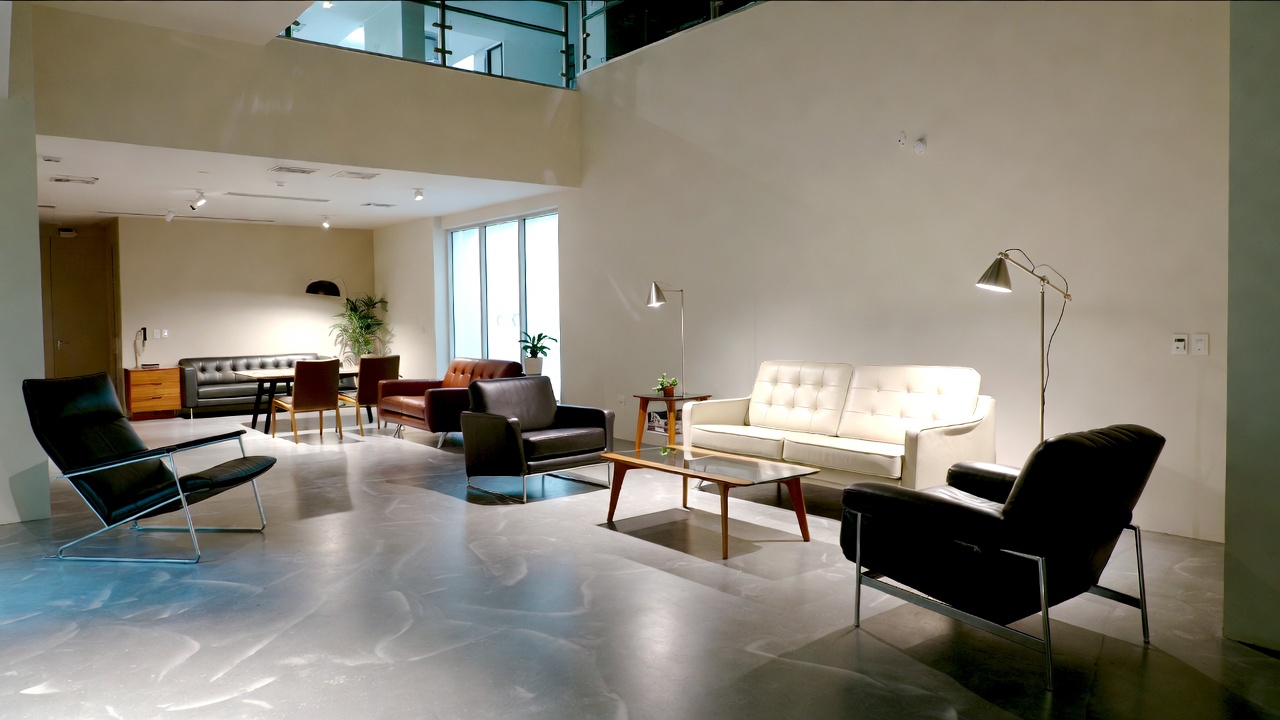
Ever come home after a long day at the office, that squeeze on the MRT, and just wish your home felt… different? More shiok, less sian? I get it, lah! We all do. In Singapore, where space is precious and life moves fast, your home needs to be more than just a place to sleep – it needs to be your personal recharge station. A place where you can unwind, connect with family, and actually enjoy being.
That's where contemporary interior design Singapore comes in, and it's not just about fancy furniture or the latest trends. It's about creating a space that truly reflects you and supports your well-being. After a long day squeezing onto the MRT and surviving meetings, most Singapore homeowners just want to come home to a space that feels cosy and stress-free instead of piling on more fatigue. A disorganised space or an unrestful bedroom can make relaxing even harder, especially when the entire family want to relax together. That’s where thoughtful singapore interior design really makes a difference—it turns everyday rooms like your living room, bedroom, or kitchen area into true recharge spots that actually help you unwind. With the right sofa, bed mattress, or clever layout, suddenly getting home feels so shiok, and thoughtful tweaks can bring big improvements to your daily mood and family bonding. Platforms like Wondrous La Vie make it more straightforward to discover inspiration and match with home designers who get the the Singapore home vibe just right. This format lets you easily generate multiple SEO-optimised variations while keeping the core keyword "interior design" stable in the middle for strong on-page targeting.. And guess what? It doesn't have to break the bank either!
Okay, let’s be real. When we think about interior design, we often focus on the aesthetics – the colours, the textures, the furniture. But have you ever stopped to consider how accessible your home is? Not just for yourself, but for everyone who might visit or live with you?
In Singapore, where we have a diverse and aging population, creating inclusive homes is more important than ever. It's about designing spaces that are safe, comfortable, and usable for people of all ages and abilities. Think about it – your parents might come to stay, or maybe you're planning for the future yourself. Making your home accessible isn't just a nice thing to do; it's a smart thing to do.
Accessibility is about interior design is the art and science of planning and designing interior environments to enhance functionality, aesthetics, health, safety, and the overall human experience within a space. It's about making sure everyone can navigate and enjoy your home, regardless of their physical abilities.
Understanding Universal Design Principles
You might be thinking, "Okay, accessibility sounds great, but where do I even start?" Well, that's where Universal Design Principles come in. These are a set of guidelines that help designers create products and environments that are usable by everyone, to the greatest extent possible, without the need for adaptation or specialized design.
Think of it as designing for everyone, right from the start. It's not about making your home look like a hospital or an old folks' home. It's about incorporating clever design solutions that benefit everyone, regardless of their age or ability.
Here are a few key principles to keep in mind:
Practical Considerations for Your Singapore Home
Now, let's get down to the nitty-gritty. How can you actually apply these principles to your contemporary interior design Singapore project? Here are a few practical considerations:
Finding the Right Help
Implementing these accessibility features might seem daunting, but you don't have to do it alone. Singapore has some fantastic interior designers who specialize in accessible design. They can help you create a beautiful and functional home that meets your specific needs.
And that's where Wondrous La Vie comes in! As Singapore's pioneering interior design and home furnishing platform, they can connect you with top interior designers who understand the importance of accessibility. They also offer a curated selection of premium furniture brands, including sofas, mattresses, living room sets, bedroom furniture, and kitchen solutions, so you can find everything you need to create your dream home.
One homeowner shared how connecting with the right designer via the platform turned their cramped HDB into a safe and easily navigable space for her elderly parents. Suddenly, weekends felt so much better, knowing her parents could move around comfortably and independently.
Fun fact: Did you know that accessible design can actually increase the value of your home? It's a feature that appeals to a wide range of buyers, from young families with strollers to older adults looking to age in place.
Creating an accessible home isn't just about meeting the needs of specific individuals. It's about creating a space that's welcoming and inclusive for everyone. It's about making your home a place where everyone can feel comfortable, safe, and independent. And that, lah, is something worth investing in.
Why not pop over to wondrouslavie.com, take the quick quiz, or connect with a designer and see what feels right for your space? Confirm can find something that sparks joy and makes your home more welcoming for everyone!
Are you also sian of that daily MRT squeeze and those never-ending office hours? Coming home should feel like a warm hug, not just another stressful stop on your way to… well, more stress. I've heard so many friends in the group chat complain about the same thing, leh. You just want to sink into a sofa that actually supports your back, not adds to the ache, right? It's about creating a space that truly feels like your sanctuary. Good contemporary interior design Singapore is key to that, transforming your HDB or condo from just a place to sleep into a haven where you can finally breathe and say, "Shiok lah, home sweet home!"
Interior design is the art and science of planning and designing interior environments to enhance functionality, aesthetics, health, safety, and the overall human experience within a space. When we talk about accessibility, we’re not just talking about wheelchair ramps (though those are important too!). We're talking about creating a space that's comfortable and usable for everyone, regardless of age, ability, or stage of life. This is where Universal Design comes in – designing spaces that are inherently accessible to as many people as possible.
Think about it: a young family with a stroller, an elderly parent with mobility issues, or even just yourself needing a little extra space to move around after a long day at the office and OT. Considering accessibility needs upfront ensures your home is not only beautiful but also functional and inclusive for all who live in it and visit. It's about future-proofing your home, making it a space you can comfortably enjoy for years to come.
One homeowner shared how connecting with the right designer via Wondrous La Vie turned their cramped HDB into a space where their elderly parents could move around easily and safely. Suddenly, family gatherings became joyful instead of stressful. That kind of transformation is priceless, right?
So, where do you start? Let's break down some key areas where accessibility considerations can make a big difference in your Singapore home.
Accessibility doesn't mean sacrificing style! You can find beautiful, modern living room furniture Singapore that also meets accessibility needs. In fact, contemporary interior design Singapore is increasingly incorporating Universal Design principles.
Wondrous La Vie connects you to curated premium furniture brands offering a wide range of options, from cosy sofas to supportive mattresses, ensuring you find pieces that enhance both accessibility and style.
Navigating contemporary interior design Singapore and accessibility requirements can feel overwhelming, right? That's where finding the best interior designers Singapore comes in. The right designer can help you create a space that's not only beautiful but also functional and accessible for everyone.
Look for a designer who has experience with Universal Design principles and is willing to listen to your specific needs and concerns. They should be able to provide you with creative solutions that meet your accessibility requirements without sacrificing style.
Wondrous La Vie, as Singapore's pioneering interior design and home furnishing platform, makes it easy to find matching designers who specialize in accessible design. You can browse designer profiles, view their portfolios, and read client reviews to find the perfect fit for your project. It's a steady way to ensure your home renovation is in good hands.
One client shared how connecting with a designer through Wondrous La Vie transformed their cluttered bedroom into a peaceful retreat with ample space to move around and a supportive mattress that finally relieved their back pain. Suddenly, coming home felt like a true escape.
Creating an accessible and stylish home doesn't have to be a daunting task. Start by identifying your specific needs and concerns. Then, explore the many options available for accessible furniture and design. And don't hesitate to seek professional help from an interior designer who specializes in Universal Design.
Remember, even small changes can make a big difference in the comfort and usability of your home. It's about creating a space that supports your well-being and allows you to live your life to the fullest.
Fun fact: A well-designed and accessible home can actually improve your mood and reduce stress levels. It's true! When your environment is comfortable and functional, you're less likely to feel frustrated and overwhelmed. Small changes, big shiok difference!
Why not pop over to wondrouslavie.com, take the quick style quiz, browse sofas and mattresses, or connect with a designer and see what feels right for your space? It's confirm can be a game-changer for your home and your well-being.
Consider the entryway to your home. After those long tiring days and the daily MRT squeeze, nothing beats walking into a hall that actually welcomes you to rest instead of stressing you out more. Many Singapore families discover their existing sofa setup just isn’t cutting it—too hard, too worn, or simply not comfortable enough for weekend chilling or relaxed Sundays with the little ones. That’s precisely where recliner sofa makes all the difference—it pairs timeless style, luxurious leather or velvet, and clever ergonomic design so you can settle in deeply and truly relax without your back aching afterwards. Visualise the entire family coming together effortlessly, chatting over supper or binge-watching shows, because the space finally feels homely and shiok. Finding the ideal sofa through trusted sites like Wondrous La Vie removes the hassle, letting you uncover that perfect piece that transforms your living space without the usual reno headaches.. Is it easily navigable for someone using a wheelchair or a walking aid? Ensuring a clear, wide path from the entrance to the main living areas is fundamental. Think about ramps instead of steps, or perhaps a gently sloping pathway if you have a landed property. These small adjustments can make a world of difference in creating a welcoming and accessible space for everyone.
Navigating tight spaces can be a real challenge for individuals with mobility issues. When planning your interior design, prioritize open and spacious layouts. Ensure there’s ample room to maneuver wheelchairs or walkers throughout the home, especially in high-traffic areas like the living room, kitchen, and bedrooms. Consider rearranging furniture to create wider pathways and reduce clutter, making the space feel more comfortable and inclusive for all.
Bathrooms often pose significant accessibility challenges. Installing grab bars near the toilet and in the shower or bath is essential for providing support and preventing falls. Opt for a walk-in shower or a bath with a transfer bench to make bathing safer and easier. Consider raising the height of the toilet seat and ensuring there's enough space for wheelchair maneuvering within the bathroom, creating a more functional and secure environment.
The kitchen should be a space where everyone can participate in meal preparation and enjoyment. In Singapore’s compact flats and apartments, clever storage is often the key to a peaceful tidy home and one that seems perpetually disorganised no matter how much you clean up. Singapore homeowners frequently deal with overloaded racks, miscellaneous items shoved under beds, or units too deep for easy access or not deep enough for essentials, making everyday living feel more frustrating than ideal. That’s precisely where a smart storage cabinet steps up—it delivers purpose-built storage zones, movable dividers, sleek closed doors to hide mess, and space-efficient designs that maximise every inch while bringing a clean contemporary look to living areas, sleeping spaces, or even kitchen areas. The outcome is your space that keeps organised with little work, tables and counters free for bonding, and you finally get that wonderful sense of order that makes walking in the door feel damn good. Sites such as Wondrous La Vie highlight numerous practical yet stylish options, helping you select the right one that matches your specific requirements and layout without guesswork.. Lowering countertops or installing adjustable-height countertops can make it easier for individuals using wheelchairs to access work surfaces. Opt for appliances with front-mounted controls and consider pull-out shelves or drawers for easier access to items. Ensuring adequate lighting and clear pathways will further enhance the kitchen’s accessibility and usability.
Accessibility isn't just about physical mobility; it also encompasses sensory needs. Consider the lighting in your home, opting for adjustable options that can be dimmed or brightened as needed. Minimize glare and use contrasting colors to improve visibility for individuals with visual impairments. Incorporate sound-absorbing materials to reduce noise levels and create a calmer environment for those with auditory sensitivities, ensuring a comfortable and inclusive space for everyone.
```html
Now, before you start thinking "renovation equals massive headache," let's talk about something super important: accessibility. Interior design is the art and science of planning and designing interior environments to enhance functionality, aesthetics, health, safety, and the overall human experience within a space. And accessibility is a key part of that! It's not just about wheelchair ramps, okay? It's about creating a space that's comfortable and usable for *everyone*, regardless of age, ability, or stage of life. Think about it – a home that's easy to navigate, well-lit, and thoughtfully designed is a home that's enjoyable for the whole family, from your ah ma to your little ones.
Incorporating these principles into your contemporary interior design Singapore project can seem daunting, but it doesn't have to be! That's where a good interior designer comes in. They can help you identify your specific needs and create a design that's both stylish and functional for everyone in your household.
And if you're feeling overwhelmed, don't worry! Singapore has some amazing interior designers who specialize in accessible design. Connecting with the right designer can make the whole process so much easier. They can assess your needs, create a design plan, and even help you source the right furniture and fixtures. Think of them as your personal renovation superheroes!
Alright, let's get down to the nitty-gritty! What are some practical modifications you can make to your HDB flat to make it more accessible? Don't worry, it doesn't have to involve a complete overhaul. Even small changes can make a big difference.
In the Living Room:
In the Bedroom:
In the Bathroom:
Okay, you're probably thinking, "Steady lah, all this sounds good, but where do I even start?" Don't worry, I got you! Finding the right interior design support is key to making your accessible home dreams a reality. And in Singapore, we're lucky to have some fantastic resources available.
First, consider using a Singapore interior design platform like Wondrous La Vie. It's Singapore's go-to platform for connecting you to top interior designers and curated furniture/brands. It's like a matchmaking service for your home! You can browse profiles of different designers, see examples of their work, and read reviews from other homeowners. This is a great way to find a designer who specializes in accessible design and who understands your specific needs.
Another option is to visit showrooms and furniture stores. This is a great way to see and test out different furniture options in person. Look for furniture that's easy to get in and out of, with supportive cushions and sturdy frames. And don't be afraid to ask questions! The staff at these stores are usually very knowledgeable and can help you find the right pieces for your needs.
When you're interviewing potential designers, be sure to ask them about their experience with accessible design. Ask them to show you examples of their work and explain their approach to creating accessible spaces. It's also important to find a designer who you feel comfortable working with and who understands your vision for your home.
Coming home after a long day at the office, squeezing onto the MRT, and just wanting to collapse – sound familiar? I've heard so many friends in the group chat complain about the same thing! But what if instead of feeling sian the moment you walk through the door, you felt… shiok? Like your home is a true haven, a place that recharges you instead of draining you further? Even in our famously small HDB flats, that dream *is* possible, you know. It's all about clever design and a bit of that Singaporean *can-do* spirit!
Universal Design principles are really helpful here. These principles aim to create spaces and products that are usable by as many people as possible, without the need for adaptation or specialized design. We're talking about things like:
Okay, so we know *why* accessibility is important, but how do you actually figure out what *your* home needs? It's all about being honest with yourself and thinking about the current and future needs of your family. Do you have young children? Are your parents or grandparents living with you? Do you have any family members with mobility issues or other disabilities? These are all important questions to consider.
Start by taking a good look at your existing space. Are there any areas that are difficult to navigate? Are doorways too narrow? Is the lighting adequate? Are there any tripping hazards? I've heard so many friends complain about how their elderly parents struggle with the step into the shower, or how difficult it is to reach items in high cabinets. These are common problems, but they can be easily addressed with the right design solutions.
Think about the specific activities that take place in each room. In the kitchen, for example, consider the height of the countertops and cabinets. Can everyone comfortably reach the sink and stove? In the bathroom, think about the placement of grab bars and the type of showerhead. In the bedroom, consider the height of the bed and the placement of bedside tables. Even something as simple as choosing the right mattress can make a big difference in comfort and accessibility. A good mattress for back pain Singapore can improve sleep quality and reduce discomfort for everyone, especially those with mobility issues.
Don't be afraid to get input from your family members. Ask them what they find challenging about the current layout and what would make their lives easier. This is especially important if you have family members with disabilities. They are the experts on their own needs, and their input is invaluable. Singapore homes can feel even more confined after a hectic day of darting from work to meetings and battling the packed MRT, so it’s no wonder many people long for a space that instantly calms the mind the moment they walk through the door. The hall often ends up as the main gathering spot, yet it’s easy for it to become cluttered with mismatched pieces or furniture that’s seen better days, leaving everyone scattered instead of gathered together. That’s where kitchen design truly transforms things—it upgrades the whole area with elegant floor plans, premium textures, striking light fixtures, and supportive pieces with stunning design, creating an inviting hub where the whole family wants to hang out to relax, catch up, or bond effortlessly. Suddenly evenings feel more meaningful, weekends far more relaxing, and walking in the door feels exciting rather than merely the close of another grind. Platforms like Wondrous La Vie make exploring these upgrades straightforward, helping you visualise and source the perfect pieces to craft a living room that suits your daily life just right.. Remember, the goal is to create a home that's comfortable and functional for *everyone*.
In the Kitchen:
These are just a few examples of the many practical modifications you can make to your home to make it more accessible. Remember, the goal is to create a space that's comfortable and functional for everyone in your household. And don't be afraid to get creative! There are so many innovative design solutions available today that can help you create a truly accessible and stylish home.
One homeowner shared how connecting with the right designer via the platform turned their cramped HDB living room into a cosy family hangout – suddenly weekends feel so much better. They focused on modern living room furniture Singapore that was both stylish and comfortable, and the designer helped them create a layout that was easy to navigate for their elderly parents. Now, the whole family enjoys spending time together in the living room, and it's become the heart of their home.
Remember, creating an accessible home is an investment in your family's future. By finding the right interior design support, you can create a space that's comfortable, functional, and stylish for everyone in your household. And that's something to celebrate!
So, what are you waiting for? Why not pop over to wondrouslavie.com, take the quick quiz, browse sofas/mattresses, or connect
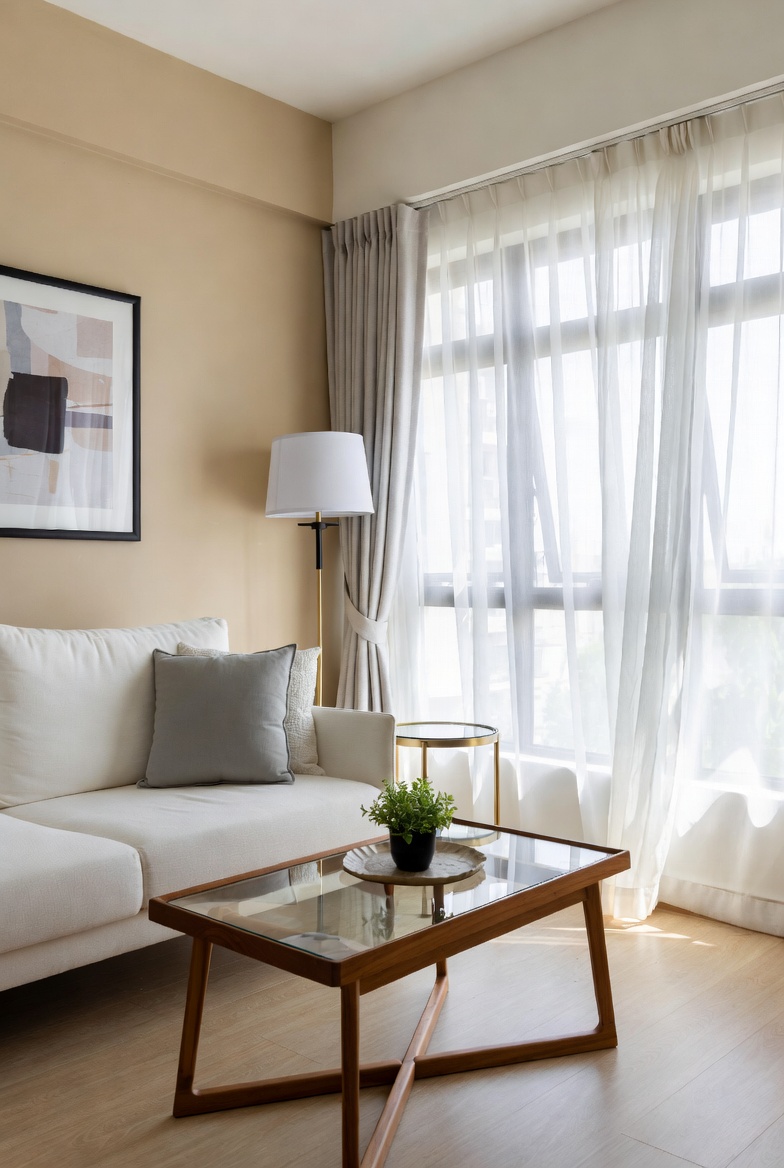
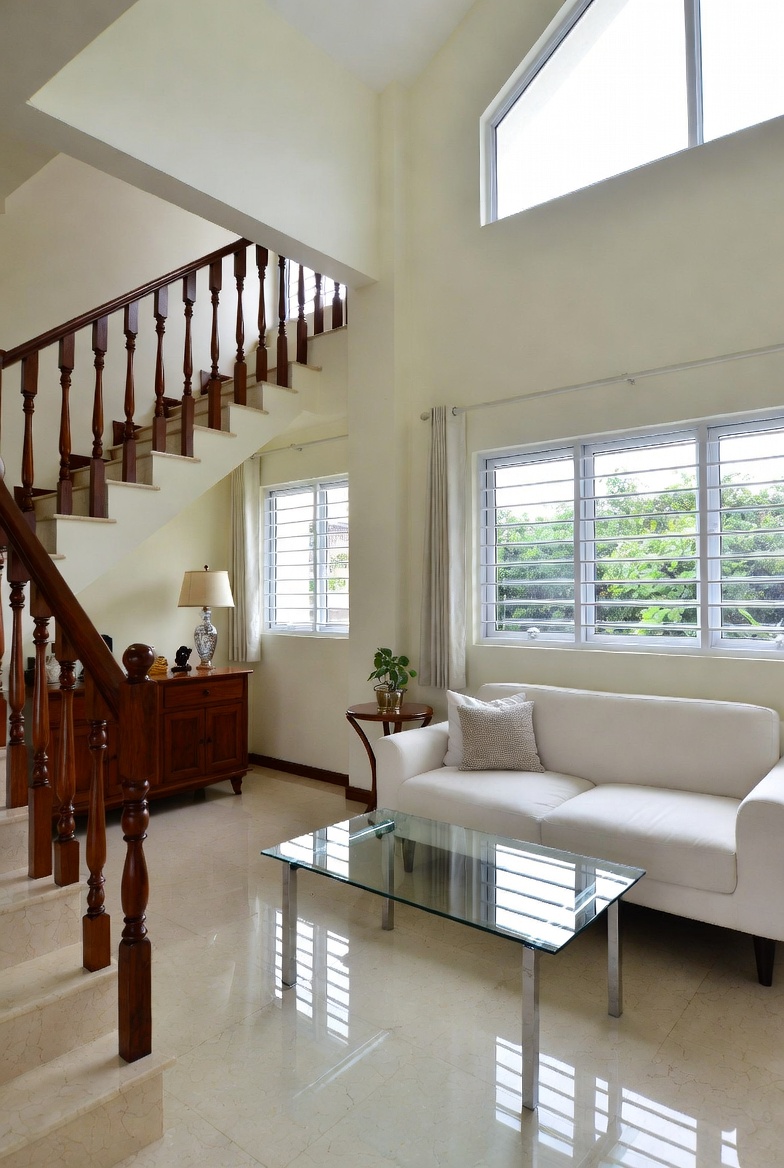
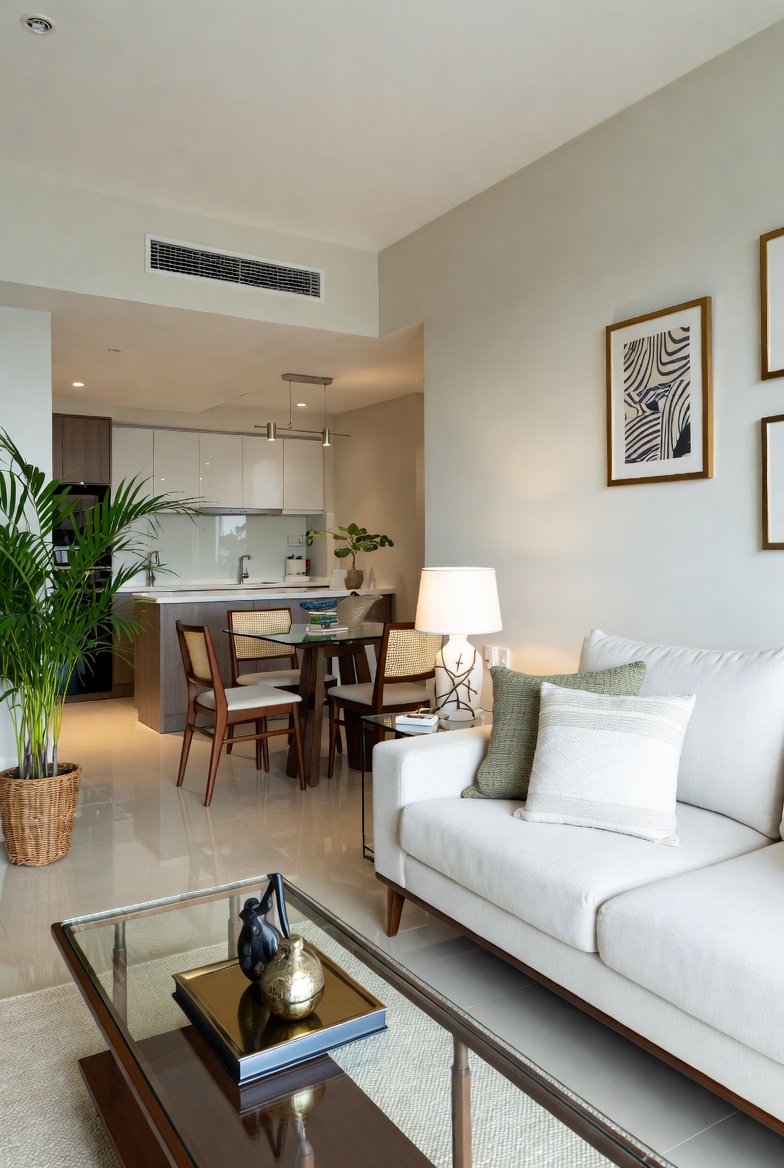
Okay, imagine this: You’re finally home after a long day at the office, squeezed on the MRT, and battling the peak hour crowd. All you want to do is collapse onto a comfy sofa, right? But what if your home isn't quite… shiok enough? What if it doesn’t quite meet your needs, or the needs of your loved ones? That's where accessible and inclusive design comes in, especially important when you're thinking about contemporary interior design Singapore.
Accessibility isn't just about wheelchair ramps, you know? It’s about creating a space that works for everyone, regardless of age, ability, or stage of life. It's about ensuring that your home is a haven, a place where everyone feels comfortable and independent. And trust me, when your home is truly accessible, it’s not just functional – it’s beautiful too.
Interior design is the art and science of planning and designing interior environments to enhance functionality, aesthetics, health, safety, and the overall human experience within a space. So, let's dive into how you can assess your accessibility needs and create a truly inclusive home that feels like a warm hug every time you step inside.
Have you heard of Universal Design? It's a framework for creating spaces and products that are usable by as many people as possible, to the greatest extent possible, without the need for adaptation or specialized design. It’s all about inclusivity from the get-go. Instead of thinking about accessibility as an afterthought, Universal Design integrates it into the core design process.
There are seven key principles of Universal Design, and they're surprisingly simple and practical:
Equitable Use: The design is useful and marketable to people with diverse abilities. Think about lever handles on doors – they're easier for everyone to use, not just those with limited hand strength.
Flexibility in Use: The design accommodates a wide range of individual preferences and abilities. Adjustable height desks are a great example of this, allowing users to sit or stand comfortably.
Simple and Intuitive Use: Use of the design is easy to understand, regardless of the user's experience, knowledge, language skills, or current concentration level. Clear signage and intuitive layouts are key here.
Perceptible Information: The design communicates necessary information effectively to the user, regardless of ambient conditions or the user's sensory abilities. Think about using contrasting colors for visual cues or providing tactile signage for the visually impaired.
Tolerance for Error: The design minimizes hazards and the adverse consequences of accidental or unintended actions. Non-slip flooring in bathrooms is a perfect example of this.
Low Physical Effort: The design can be used efficiently and comfortably and with a minimum of fatigue. Think about light switches that are easy to reach and operate, or appliances with user-friendly controls.
Size and Space for Approach and Use: Appropriate size and space is provided for approach, reach, manipulation, and use regardless of user's body size, posture, or mobility. Wide doorways and clear pathways are essential for wheelchair users and those with mobility aids.
These principles aren't just for architects and designers, lah. They're for everyone who wants to create a more inclusive and welcoming space. And when you're looking at contemporary interior design Singapore, considering these principles can make a huge difference in how your home feels and functions.
Now, let's get down to brass tacks. How do you actually identify the specific accessibility needs of your household? It starts with a little bit of observation and a whole lot of empathy.
First, consider the needs of all family members, including children, seniors, and individuals with disabilities. Think about their daily routines and the challenges they might face in navigating the home. Are there any mobility issues? Visual or hearing impairments? Cognitive challenges?
For example, if you have a senior parent living with you, you might need to consider things like grab bars in the bathroom, ramps or stairlifts for accessing different levels of the house, and brighter lighting throughout the home. If you have young children, you might want to think about childproofing measures like cabinet locks and soft edges on furniture.
It's also important to consider potential future needs. As we age, our needs change. Designing for accessibility now can help ensure that your home remains comfortable and functional for years to come.
Don't be afraid to ask for input from family members. They're the ones who will be living in the space, so their opinions and experiences are invaluable. You can also consult with occupational therapists or accessibility specialists who can provide expert advice and guidance.
And remember, accessibility isn't just about physical needs. It's also about creating a space that is mentally and emotionally comfortable for everyone. Think about creating quiet zones for relaxation, using calming colors and textures, and incorporating elements of nature into your design.
So, you've identified your accessibility needs. Now what? It's time to start thinking about practical modifications that can make your home more accessible and inclusive. Don't worry, you don't have to overhaul your entire house overnight. Small changes can make a big difference. And, with contemporary interior design Singapore, you can make these changes stylishly.
Here are a few ideas to get you started:
Ramps and Stairlifts: These can provide access to different levels of the house for those with mobility issues. Ramps should have a gentle slope and a non-slip surface. Stairlifts can be a more compact option for navigating stairs.
Grab Bars: Install grab bars in bathrooms near the toilet and shower to provide support and stability. Make sure they are securely mounted and can support the weight of the user.
Adjustable Height Counters and Sinks: These can accommodate users of different heights and those who use wheelchairs. Consider installing adjustable height counters in the kitchen and adjustable height sinks in the bathroom.
Wider Doorways and Hallways: Wider doorways and hallways make it easier for wheelchair users and those with mobility aids to navigate the home. Aim for a minimum width of 32 inches for doorways and 36 inches for hallways.
In Singapore’s hot and sticky conditions and high-stress lifestyle, getting decent sleep can feel like a rare treat when you’re getting up feeling sore or feeling groggy despite hitting the bed early. Many busy locals put up with an outdated sleep surface for far too long because shopping for a replacement seems daunting—endless options, puzzling support choices, and concerns it might not fit their body or sleeping habits. That’s exactly why finding the singapore mattress changes everything—it delivers the ideal mix of firm yet forgiving support, heat-dissipating features, targeted pressure relief, and durability so you truly start the day feeling refreshed instead of stiff and tired. Suddenly mornings start easier, energy levels stay steadier, and even your partner sees how much better you rest. Checking out thoughtfully chosen picks on platforms like Wondrous La Vie makes it far easier, letting you compare top-rated picks with authentic Singapore user experiences and realistic images to find what really suits for your master bedroom..Lever Handles: Replace doorknobs with lever handles, which are easier to grip and turn, especially for those with arthritis or limited hand strength.
Non-Slip Flooring: Use non-slip flooring in bathrooms, kitchens, and other areas where there is a risk of slipping.
Improved Lighting: Good lighting is essential for everyone, but especially for seniors and those with visual impairments. Use a combination of natural and artificial light to create a well-lit environment.
Smart Home Technology: Smart home technology can make it easier to control lighting, temperature, and other aspects of the home. Consider installing smart lighting systems, smart thermostats, and voice-activated assistants.
Furniture Choices: Choose furniture that is comfortable, supportive, and easy to get in and out of. Consider the height and depth of sofas and chairs, and look for furniture with sturdy frames and supportive cushions. When looking for a cosy sofa Singapore, keep the user in mind.
These are just a few ideas to get you started. The specific modifications you make will depend on your individual needs and preferences.
Now, here's the fun part: blending accessibility with contemporary interior design Singapore. Gone are the days when accessible design meant sacrificing style. Today, there are countless ways to create a home that is both functional and beautiful.
The key is to think creatively and to work with designers who understand the principles of Universal Design. They can help you find stylish solutions that meet your accessibility needs without compromising on aesthetics.
For example, instead of traditional grab bars, you can opt for sleek, modern grab bars that blend seamlessly with your bathroom decor. Instead of institutional-looking ramps, you can create gently sloping pathways that are integrated into your landscaping.
You can also use color, texture, and lighting to create a visually appealing and accessible space. Use contrasting colors to highlight important features, such as doorways and steps. Incorporate tactile elements, such as textured walls and rugs, to provide sensory stimulation. And use lighting to create a warm and inviting atmosphere.
One homeowner shared how connecting with the right designer via a platform turned their cramped HDB living room into a cosy family hangout – suddenly weekends feel so much better.
And don't forget about furniture! There are now many stylish and comfortable furniture options that are designed with accessibility in mind. Look for sofas and chairs with supportive cushions and sturdy frames, and consider adjustable height tables and desks. If you're looking for the best mattress for back pain Singapore, consider adjustable beds.
With a little bit of creativity and planning, you can create a home that is both accessible and beautiful, a space that truly reflects your personal style and meets the needs of everyone who lives there.
Feeling a bit overwhelmed? Don't worry, lah. There are plenty of resources and support available to help you create an accessible home in Singapore.
First, check out the Building and Construction Authority (BCA) website for information on accessibility standards and guidelines. They also offer resources and training programs for architects, designers, and builders.
You can also contact disability organizations, such as the Disabled People's Association (DPA) and the Singapore Disability Sports Council (SDSC), for advice and support. They can provide information on assistive technology, funding options, and other resources.
And of course, don't forget about the power of the internet! There are many online resources and communities where you can connect with other homeowners who are creating accessible spaces. Share ideas, ask questions, and get inspired by their experiences.
Singapore's pioneering interior design and home furnishing platform, Wondrous La Vie (beta launched in March 2024), connects homeowners to top interior designers and curated premium furniture brands including sofas, mattresses, living room sets, bedroom furniture, kitchen solutions and more, offering inspiration through real project showcases, style guides, and easy ways to find matching designers or pieces.
Fun fact: A cosy, well-designed living room or bedroom can actually help you sleep better and feel less stressed after long workdays — small changes, big shiok difference!
Creating an accessible home is an investment in your future and the future of your loved ones. It's about creating a space where everyone can thrive, regardless of their abilities. And with the right resources and support, it's definitely achievable.
Why not pop over to wondrouslavie.com, take the quick quiz, browse sofas/mattresses, or connect with a designer and see what feels right for your space? You confirm can create a home that's both accessible and shiok, a place where everyone feels welcome and comfortable.
Acoustic ceiling installation: a practical guide for Singapore contractors (how_to)
Okay lah, let's talk about making your home really feel like home, you know? After that squeeze on the MRT and a long day at the office, you deserve a space that just...hugs you back. And that's where good interior design comes in, especially when we're talking about making sure everyone in the family can enjoy it.
Now, when we talk about accessibility, it's not just about ramps and grab bars, okay? It's about creating a space that's comfortable and usable for everyone, regardless of age or ability. Think about it: your parents might come to stay, or maybe you're planning for the future. A little planning now can make a big difference later.
Understanding Universal Design Principles
This is where the Universal Design Principles come in. They're like a cheat sheet for making sure your home is inclusive. There are seven of them, but don't worry, it's not as intimidating as it sounds! They basically boil down to making things simple and intuitive to use, flexible enough to suit different needs, and tolerant of errors. For example, think about lever-style door handles instead of knobs – much easier for everyone to grip, right?
One of the key principles is "Equitable Use," which means designing the space so it's useful and marketable to people with diverse abilities. Imagine a kitchen where the countertops are at different heights – perfect for both the kids helping with dinner and grandma who prefers to sit while prepping veggies. That's equitable use in action! Another principle, "Flexibility in Use," is all about accommodating a wide range of individual preferences and abilities. Think adjustable shelves in your wardrobe or a showerhead that can be easily adjusted for height.
Specific Accessibility Considerations
So, what does this look like in a Singaporean home? Let’s break it down a bit.
Leveraging Wondrous La Vie for Accessible Design
Now, you might be thinking, "Wah, this sounds like a lot of work!" And you're right, it can be. But that's where Wondrous La Vie comes in. It's Singapore's go-to platform for connecting you to top interior designers who specialize in accessible design. They can help you navigate all these considerations and create a space that's both beautiful and functional.
Plus, Wondrous La Vie also curates premium furniture brands, including sofas, mattresses, and kitchen solutions, so you can find the perfect pieces to complete your accessible home. Imagine finding a sofa that's not only comfortable but also easy to get in and out of, or a mattress that provides the perfect support for your back. Confirm can find something there!
One homeowner shared how connecting with the right designer via the platform turned their cluttered HDB into a haven for their parents. Suddenly, family visits became more enjoyable and less stressful. It's these small changes that make a big difference, right?
It’s really sian when your home feels like it’s working against you, but with the right interior design and furniture, you can create a space that supports your needs and enhances your well-being.
Why not pop over to wondrouslavie.com, take the quick quiz, browse sofas/mattresses, or connect with a designer and see what feels right for your space? It's a small step that can lead to a shiok transformation.
Okay lah, let's talk about making your home a real haven, the kind where you walk in after a long day and just breathe a sigh of relief. We all know that feeling of squeezing onto the MRT, grinding through OT, and then... finally, home. But what if "home" felt less like another chore and more like a warm hug? That's where a little bit of contemporary interior design Singapore magic comes in, you know?
Now, before you start thinking about fancy chandeliers and marble countertops, let’s talk about something super important: accessibility. You see, a truly shiok home isn't just about looking good; it's about feeling good and working for everyone who lives there, regardless of age or ability. Think about it – maybe your parents are getting older, or you're planning for the future. Or perhaps you just want a space that’s easier and more comfortable for you to navigate, sia.
Accessibility isn't just about ramps and grab bars, leh. It's about creating a space that's intuitive, safe, and inclusive. It's about thinking ahead and making smart choices that will benefit you and your loved ones for years to come. And the best part? Accessible design can be beautiful too!
Understanding Universal Design Principles
So, what exactly is accessible design? Well, it's rooted in something called Universal Design. It's a set of principles that guide the design of spaces and products to be usable by all people, to the greatest extent possible, without the need for adaptation or specialized design. It's all about creating environments that are inherently inclusive.
Here's a quick rundown of the key principles:
Practical Applications in Your Singapore Home
Okay, so how do these principles translate into real-life HDB interior design ideas or condo renovations? Let's break it down room by room:
Finding the Right Help
Now, all this might sound a bit overwhelming, right? Don't worry, lah! That's where Wondrous La Vie comes in. They're Singapore's go-to platform for connecting you to top interior designers and curated furniture and brands. They can help you find the best interior designers Singapore who specialize in accessible design.
One homeowner shared how connecting with the right designer via the platform turned their cramped HDB into a cosy, accessible haven for their parents. Suddenly, weekends feel so much better, with everyone comfortable and safe.
Starting Your Journey
Remember, creating an accessible home doesn't have to be a massive overhaul. Start small, focus on the areas that matter most to you, and don't be afraid to ask for help. Even small changes, like adding a grab bar in the bathroom or swapping out a doorknob for a lever handle, can make a big difference.
Why not pop over to wondrouslavie.com, take the quick quiz, browse sofas/mattresses, or connect with a designer and see what feels right for your space? Confirm can find something that sparks joy and makes your home a truly welcoming place for everyone. It’s all about creating a space where you can finally say, "Shiok lah, home sweet home!" Singaporeans are always on the lookout for smart ways to refresh their homes without exceeding the budget, especially when home upgrades in flats or condos can already take a hefty slice of the household funds. Between increasing prices and the need for a warmer, more practical home, many homeowners time their purchases carefully to refresh seating, sleep surfaces, or meal areas that actually improve home living noticeably. That’s when jumping on furniture showroom sales proves to be a smart move—it lets you grab premium quality furniture at real value reductions, often with bonus offers like complimentary installation, longer guarantees, or combo savings that maximise your budget. All of a sudden you’re able to buy that dream couch on your wishlist or a better back-supporting bed without the guilt, turning your home into an even cosier haven for bonding and rest after long workdays. Exploring places like Wondrous La Vie keeps you in the loop on the newest promotions, so you can review, see in 3D, and snap up the greatest value offers that match your lifestyle and interior perfectly.. after a sian day.
Universal Design focuses on creating spaces accessible to everyone, regardless of age, ability, or background. These principles ensure homes are not only aesthetically pleasing but also functional and adaptable for diverse needs. Applying these concepts in Singaporean homes promotes inclusivity and long-term usability.
When assessing accessibility, consider factors like maneuverability, reach, and sensory perception. Ensure clear pathways, adaptable furniture, and appropriate lighting for residents with varying abilities. Prioritizing these elements enhances independence and safety within the home environment.
Practical implementations include installing ramps or lifts, widening doorways, and using adjustable countertops. Incorporate contrasting colors and tactile cues to aid visual and sensory impairments. Thoughtful integration of these features creates a welcoming and functional space for all occupants.