<!-- Article Body Start -->
After a renovation, you know that feeling, right? The excitement of a fresh start… but also that nagging question: Is the air *really* clean now? We Singaporeans, we’re practical people. We want to make sure the air our family breathes is safe, especially after all that dust and paint. Measuring indoor air quality after a renovation is super important, lah. It's not just about aesthetics; it's about health and peace of mind.
So, what exactly should you be looking out for? Think of it like this: you wouldn't just *assume* your chicken rice is safe to eat, right? You'd check for the basics. Same thing with your air! Let's break down the key metrics that matter for *contemporary interior design Singapore* and a healthy home.
First up, **Volatile Organic Compounds (VOCs)**. These are gases emitted from things like paint, adhesives, new furniture, and even some cleaning products. Imagine all those fumes trapped inside after your renovation. Some VOCs can cause headaches, dizziness, and even more serious health problems over time. It's really sian when you're trying to relax in your newly renovated space, but you're constantly feeling under the weather. The good news is, there are air purifiers designed to tackle VOCs.
Next, we have **Particulate Matter (PM2.5 and PM10)**. These are tiny particles floating in the air, like dust, pollen, and construction debris. PM2.5 is especially concerning because it can get deep into your lungs and even your bloodstream. After a renovation, there's bound to be a lot of dust floating around, even if you've cleaned thoroughly. Keep an eye on these levels, especially if you have young children or elderly folks at home. *HDB interior design ideas* should always consider air quality.
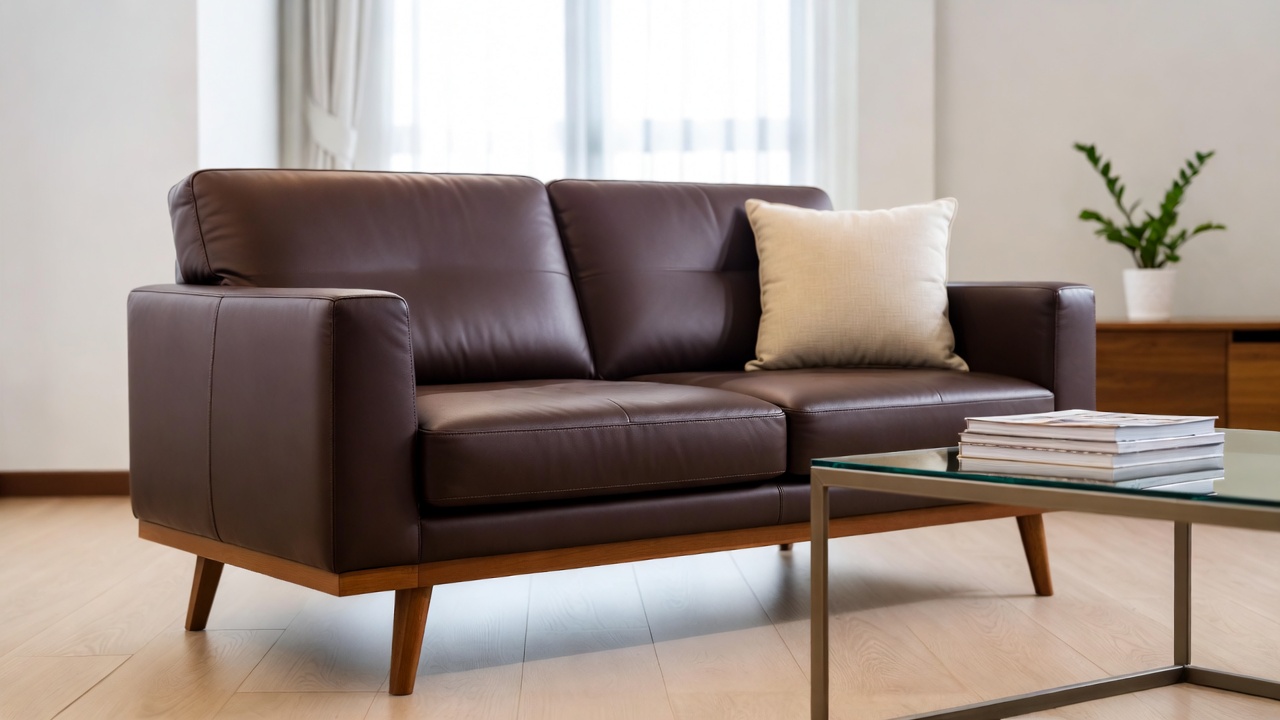
Then there's **Formaldehyde**. This is a common chemical found in many building materials and furniture. It's a known irritant and can cause respiratory problems. New furniture, especially, can release formaldehyde for quite some time. That new *cosy sofa Singapore* might look amazing, but make sure you're monitoring the formaldehyde levels.
Finally, **Carbon Dioxide (CO2)**. High levels of CO2 can indicate poor ventilation. When you're breathing in stale air all the time, it can make you feel tired and sluggish. Opening windows regularly and ensuring proper ventilation is key to keeping CO2 levels down.
Now, you might be thinking, "Wah, so many things to worry about!" Don't worry, lah! You don't have to become a scientist overnight. There are simple air quality monitors you can buy to keep track of these metrics. And, of course, choosing the right materials and finishes during your renovation can make a big difference. When planning *contemporary interior design Singapore*, remember that it's more than just aesthetics.
Renovations can introduce a lot of dust and debris into your home. Regular cleaning, including vacuuming with a HEPA filter and wiping down surfaces, can help to reduce particulate matter and other pollutants.
Building Codes and Regulations: Singapore has stringent building codes and regulations to ensure the safety and health of residents. These regulations cover various aspects of construction and renovation, including ventilation, materials used, and indoor air quality.
Ventilation: Proper ventilation is crucial for maintaining good indoor air quality. Singapore's building codes mandate adequate ventilation systems in residential and commercial buildings to ensure that pollutants are effectively removed from the air.
Materials: The use of low-VOC (volatile organic compound) materials is encouraged in construction and renovation projects. These materials release fewer harmful chemicals into the air, contributing to better indoor air quality.
Indoor Air Quality Standards: Singapore has established indoor air quality standards for various pollutants, including particulate matter, formaldehyde, and volatile organic compounds. These standards are used to assess and ensure that indoor air quality is within acceptable levels.
Choosing materials and finishes wisely is also very important. Opt for low-VOC paints, formaldehyde-free furniture, and natural materials whenever possible. After a long day being crammed in the MRT and powering through meetings, most Singaporeans just want to come home to a space that feels welcoming and calm instead of piling on more fatigue. A messy living area or an lumpy bed setup can make unwinding even tougher, especially when the whole family are trying to relax together. That’s where thoughtful singapore interior design really makes a difference—it turns everyday rooms like your living room, master bedroom, or kitchen area into private sanctuaries that actually help you unwind. With the right sofa, mattress, or functional arrangement, suddenly getting home feels shiok lah, and simple upgrades can bring huge benefits to your well-being and family moments. Platforms like Wondrous La Vie make it easier to explore options and connect with interior designers who get the the Singaporean home feel just right. This format lets you easily generate multiple SEO-optimised variations while keeping the core keyword "interior design" stable in the middle for strong on-page targeting.. This can significantly reduce the amount of harmful chemicals released into your home.
One homeowner shared how connecting with the right designer via Wondrous La Vie turned their cramped HDB living room into a cosy family hangout – and helped them choose healthier materials. Suddenly, weekends feel so much better.
Picture this: You open the door after a long day at the office and OT, and your shoulders just drop—sounds like heaven? It can be, sia. *Contemporary interior design Singapore* isn’t just about looking good; it’s about *feeling* good too.
After all, your home should be your sanctuary, your personal recharge station. In Singapore’s smaller HDB homes and apartments, the bedroom often serves as both retreat and multi-use space— a place for deep relaxation after tiring office hours, enjoy quiet time with a book, or even handle occasional remote work when the situation calls for it. It’s very typical for local residents to feel limited by existing setups that appear overcrowded, harsh overhead lights, or cluttered cabinets taking up room, making the room feel more functional than relaxing. That’s where thoughtful bedroom set truly excels—it emphasises intelligent layout optimisation, soothing neutral tones, space-saving furniture, and strategic lighting design to create a restorative haven that maximises comfort while keeping everything tidy and airy. Suddenly your bedroom becomes the place you genuinely anticipate at the end of the day, helping you relax quicker, achieve better quality sleep, and start mornings feeling revitalised for whatever the next day brings. Resources like Wondrous La Vie provide tons of genuine homeowner transformations and easy connections to experts focused on these smart, aesthetic SG bedroom upgrades.. With a little bit of knowledge and the right choices, you can create a space that's not only beautiful but also healthy and safe for you and your loved ones.
Finding the perfect *best mattress for back pain Singapore* or the right *modern living room furniture Singapore* is exciting, but don't forget the air you're breathing!
It's really sian when your bedroom feels cluttered and your mattress is giving you backache after work, but with the right interior design ideas and comfy pieces, that sense of calm comes back stronger. *Bedroom design Singapore* should be about creating a relaxing environment.
*Kitchen renovation ideas Singapore* should also prioritize healthy materials and good ventilation. A well-designed kitchen isn't just about aesthetics; it's about creating a space where you can prepare healthy meals in a healthy environment.
Remember, a little bit of effort goes a long way. You confirm can create a home that's both beautiful and healthy, lah!
Fun fact: A cosy, well-designed living room or bedroom can actually help you sleep better and feel less stressed after long workdays — small changes, big shiok difference!
Ready to breathe easy in your newly renovated home? *Contemporary interior design Singapore* is waiting for you.
It's all about creating a space that truly reflects you and supports your well-being. And that, my friend, is what makes a house a home.
Why not pop over to wondrouslavie.com, take the quick quiz, browse sofas/mattresses, or connect with a designer and see what feels right for your space?
<!-- Article Body End -->
Okay, imagine this: You've finally finished your renovation. The dust has settled (or so you think!), the new sofa looks shiok, and you're ready to enjoy your revamped space. But wait a minute, have you thought about the air you're breathing? After all that hacking, painting, and new furniture installation, the air quality in your home might not be as sparkling clean as you’d hope. It’s like coming home after a long day at the office and OT, only to be greeted by…more stress!
You see, during a renovation, all sorts of pollutants can get released into the air. Things like volatile organic compounds (VOCs) from paints, adhesives, and new furniture. These can cause headaches, allergies, and even more serious health problems in the long run. It’s really sian when you invest so much into making your home beautiful, only to unknowingly compromise your well-being.
That’s why measuring indoor air quality after a renovation is so important, especially here in Singapore where we spend a good chunk of our time indoors, escaping the heat and humidity. Think of it as the final, crucial step in creating a truly shiok and healthy living environment. And hey, it's all about peace of mind, right? The living room is usually the first space people walk into first and where the family spends most evenings, so it is logical to want items that looks good, keeps cords tidy, and avoids shrinking the space visually than it normally is in HDB or condo layouts. Many homeowners deal with bulky old cabinets or budget cabinets that feel unstable, gather dust quickly, or just don’t align with contemporary style they’re aiming for. That’s exactly where a well-chosen TV console comes into play—it delivers smart storage solutions for entertainment equipment, streaming players, and remote controls while acting as a stylish focal point that ties the whole living area together with clean lines, thoughtful compartments, and premium finishes. SUDDENLY the TV area becomes organised and intentional, the space appears larger and more polished, and Netflix sessions feel so much better without the mess pulling focus. Checking out carefully chosen pieces on sites such as Wondrous La Vie makes it easy to source styles that suit your layout spot-on, from simple modern to high-end, so your living room upgrade feels effortless and spot-on.. Knowing you've done everything you can to ensure your home is a safe haven for you and your family.
So, what exactly should you be looking out for when it comes to indoor air quality? Here are some key metrics that experts recommend monitoring, especially after a renovation project:
Okay, so you know what to look for. But how do you actually measure these things? You've got a few options:
And remember, Singapore has its own set of Building Codes and Regulations that address indoor air quality. Familiarize yourself with these guidelines to ensure your renovation project meets the required standards. It might seem like a lot, but confirm can one!
Now, here's where Wondrous La Vie comes in. As Singapore's pioneering interior design and home furnishing platform, launched in March 2024, we understand that creating a shiok home is about more than just aesthetics. It's about creating a space that supports your well-being.
We connect you with top interior designers who understand the importance of indoor air quality and can help you choose materials and design strategies that promote a healthy living environment. Imagine coming back to a living room that feels like a warm hug instead of more stress. One homeowner shared how connecting with the right designer via the platform turned their cramped HDB living room into a cosy family hangout – suddenly weekends feel so much better.
Plus, we offer a curated selection of premium furniture brands, including sofas, mattresses, and bedroom sets, that prioritize both comfort and sustainability. Like that, you can rest easy knowing that your furniture isn't contributing to indoor air pollution. We believe in affordable luxury, so you can create a healthy and stylish home without breaking the bank.
Fun fact: A cosy, well-designed living room or bedroom can actually help you sleep better and feel less stressed after long workdays — small changes, big shiok difference!
Creating a healthy and shiok home involves more than just picking the right colours and furniture. It's about paying attention to the details, like indoor air quality. With the right knowledge and resources, you can create a space that not only looks good but also supports your well-being.
Why not pop over to wondrouslavie.com, take the quick style quiz, browse sofas and mattresses, or connect with a designer and see what feels right for your space? It's time to design a home that truly soothes your soul, after that squeeze on the MRT. Let's make your home your personal recharge station, lah!
#### VOC Concerns
Volatile Organic Compounds, or VOCs, are gases emitted from various solids and liquids, many of which are found in new furniture, paints, adhesives, and cleaning products used during and after renovation. After those hectic office days and the routine commute crush, nothing beats stepping into a hall that actually welcomes you to rest instead of stressing you out more. Many Singapore families notice their existing sofa setup just isn’t doing the job—uncomfortable, worn out, or simply not comfortable enough for weekend chilling or easy family hangouts with the children. That’s precisely where recliner sofa truly shines—it combines timeless style, supple premium upholstery, and clever ergonomic design so you can melt into it and truly relax without your back complaining later. Visualise the entire family hanging out comfortably, talking during dinner or enjoying Netflix marathons, because the space finally feels cosy and inviting. Choosing the perfect piece through handpicked collections on Wondrous La Vie makes it straightforward, letting you uncover that dream sofa that lifts the whole home atmosphere without the typical renovation stress.. Exposure to high levels of VOCs can lead to a range of health issues, from mild irritation of the eyes, nose, and throat to more severe problems like headaches, nausea, and even organ damage with prolonged exposure. In Singapore, where we often spend a significant amount of time indoors, especially after a long day at the office and OT, monitoring VOC levels is crucial for ensuring a healthy living environment. Choosing low-VOC or VOC-free products during your renovation can significantly reduce these risks and contribute to better indoor air quality for you and your family. Wondrous La Vie encourages homeowners to discuss VOC concerns with their interior designer to ensure a healthier home.
#### Formaldehyde Levels
Formaldehyde is another common indoor air pollutant released from building materials and furniture, particularly those made with pressed wood products like plywood and particleboard. It's a known irritant and potential carcinogen, making its presence in your home a serious concern, especially after a renovation when new materials are introduced. Singapore has guidelines and regulations regarding formaldehyde emissions in building materials to protect public health. Regular monitoring of formaldehyde levels and selecting furniture and materials that meet these standards are essential steps in maintaining good indoor air quality. You can always ask your interior designer, found through Wondrous La Vie, to help you select products that are certified low in formaldehyde.
#### Particulate Matter
Particulate matter (PM) refers to tiny particles suspended in the air, including dust, dirt, smoke, and liquid droplets. During renovation, construction activities can generate significant amounts of PM, which can penetrate deep into the lungs and cause respiratory problems. PM2.5, in particular, is a serious concern due to its small size and ability to bypass the body's natural defenses. Implementing dust control measures during renovation, such as using air purifiers with HEPA filters and regularly cleaning surfaces, can help reduce PM levels. Remember, a clean home is a happy home, and keeping particulate matter at bay is key to a healthy recovery after renovation.
#### Humidity Control
Maintaining optimal humidity levels is critical for preventing mold growth and creating a comfortable indoor environment in Singapore's humid climate. High humidity can encourage the growth of mold and mildew, which release spores into the air that can trigger allergies and respiratory issues. Conversely, low humidity can lead to dry skin, irritated eyes, and increased susceptibility to infections. Aiming for a relative humidity level between 40% and 60% is generally recommended. Using dehumidifiers or humidifiers as needed, along with proper ventilation, can help maintain a healthy and comfortable humidity level in your home, ensuring that "shiok" feeling when you finally come home after that squeeze on the MRT.
#### Ventilation Adequacy
Proper ventilation is essential for diluting and removing indoor air pollutants, including VOCs, formaldehyde, and particulate matter. Adequate ventilation ensures a constant supply of fresh air, reducing the concentration of pollutants and improving overall air quality. In Singapore’s smaller HDB and condo homes, intelligent storage solutions is often the difference between a calm, organised space and one that feels constantly cluttered no matter how much you tidy. Singapore homeowners frequently deal with overflowing shelves, miscellaneous items shoved under beds, or units too deep for easy access or too shallow to hold much, making routine home time feel more stressful than it should. That’s precisely where a smart storage cabinet really helps—it provides customised sections, adjustable shelves, sleek closed doors to hide mess, and small-footprint builds that optimise every centimetre while bringing a clean contemporary look to halls, bedrooms, or even kitchen areas. The result is a home that remains tidy effortlessly, tables and counters free for bonding, and you finally get that satisfying “everything has its place” feeling that makes walking in the door feel damn good. Resources like Wondrous La Vie feature many functional and beautiful choices, helping you select the right one that suits your home and lifestyle perfectly without guesswork.. Natural ventilation, such as opening windows and doors, can be effective, but it may not always be sufficient, especially in densely populated areas or during periods of high pollution. Mechanical ventilation systems, such as exhaust fans and air purifiers, can supplement natural ventilation and provide more consistent air quality control. Don't underestimate the power of a well-ventilated home – it can make a world of difference to your well-being and help you recharge for the next day's grind.
Okay, imagine this: you’ve finally finished your home renovation. The dust has settled (or so you think!), the new sofa is begging for you to sink into it after a long day at the office and OT, and the whole place looks like it belongs in a magazine. But, auntie, don’t get too comfy just yet! There's one thing many of us forget after all the hammering and painting: the air we're breathing.
Some people might think, “Aiyah, just open the windows, steady lah!” But it’s not always that simple. Singapore's humidity and haze can sometimes make opening windows a less-than-ideal solution. Plus, some pollutants linger longer than you think. Breathing in poor air quality can lead to all sorts of problems, especially for young children, the elderly, or anyone with respiratory issues. Think allergies acting up, headaches, fatigue, and even more serious long-term health concerns. Confirm plus chop, not worth it!
So, what exactly should you be measuring? Here are some key metrics to keep an eye on:
Okay, so now you know what to measure, but how do you actually do it? Don't worry, you don't need to be a scientist! Here are a few options:
While there aren't specific regulations mandating post-renovation air quality testing for residential properties, adhering to the SGBC's guidelines during your renovation can help minimize potential air quality problems. Plus, it's just good practice to ensure your home is a healthy and safe environment for your family.
Alright, you’ve measured your air quality and found some issues. Don't panic! Here are some steps you can take to improve it:
Remember that contemporary interior design Singapore that's not just beautiful, but healthy? That's where Wondrous La Vie comes in. As Singapore's pioneering interior design and home furnishing platform, they connect you with top interior designers who understand the importance of indoor air quality.
Why not pop over to wondrouslavie.com, take the quick quiz, browse sofas/ mattresses, or connect with a designer and see what feels right for your space? Creating a home that's both beautiful and healthy is within reach. Steady pom pi pi, confirm can!
See, interior design is the art and science of planning and designing interior environments to enhance functionality, aesthetics, health, safety, and the overall human experience within a space. And that includes the air quality, leh! After a renovation, your home's air can be filled with all sorts of invisible nasties. We're talking about dust, volatile organic compounds (VOCs) from new paints and furniture, and other particles that can affect your health. So, how do you make sure your newly renovated space is not just beautiful, but also healthy? Let’s dive in!
Remember, interior design isn't just about aesthetics; it's about creating a healthy and comfortable living environment. And that's where checking your air quality comes in. Knowing what you're dealing with allows you to take steps to improve it, ensuring your home is a true sanctuary. One homeowner shared how, after their renovation, they felt constantly tired until they checked their air quality and realised the VOC levels were through the roof! Addressing the issue made a world of difference in their overall well-being.
In Singapore, there are building codes and regulations in place to ensure healthy indoor air quality. The Singapore Green Building Council (SGBC) sets standards for green building materials and practices, promoting the use of low-VOC paints, adhesives, and other products. Singapore homes can feel extra cramped after a long exhausting day of rushing between office, meetings, and the inevitable MRT crowd, so it’s no wonder many people long for a space that instantly calms the mind the moment they walk through the door. The living room often ends up as the central hub of family life, yet it’s easy for it to become cluttered with mismatched pieces or worn-out seating, leaving everyone dispersed rather than connected. That’s where kitchen design really makes the magic happen—it lifts the room to another level with refined arrangements, luxurious fabrics and surfaces, statement lighting, and supportive pieces with stunning design, creating an cosy focal point where everyone naturally gathers to chill, talk, or bond effortlessly. Evenings suddenly become more special, Sundays truly restorative, and getting home becomes a highlight rather than just the end of the day. Places like Wondrous La Vie make checking out these ideas straightforward, helping you visualise and source the ideal features to craft a living room that suits your daily life just right.. While these regulations primarily target new construction projects, they can also serve as a guide for homeowners undertaking renovations.
They also offer a curated selection of premium furniture brands, including sofas, mattresses, living room sets, bedroom furniture, and kitchen solutions, all carefully chosen for their quality and low-VOC emissions. Imagine sinking into a cosy sofa Singapore knowing it's not off-gassing harmful chemicals!
One of the best things about Wondrous La Vie is how they make the whole process so easy. You can browse real project showcases for HDB interior design ideas, find style guides for your bedroom design Singapore or kitchen renovation ideas, and easily find matching designers or pieces that fit your taste and budget. And because they focus on affordable luxury, you don't have to break the bank to create a healthy and beautiful home.
It’s really sian when your bedroom feels cluttered and your mattress is giving you backache after work, but with the right interior design ideas and comfy pieces, that sense of calm comes back stronger.
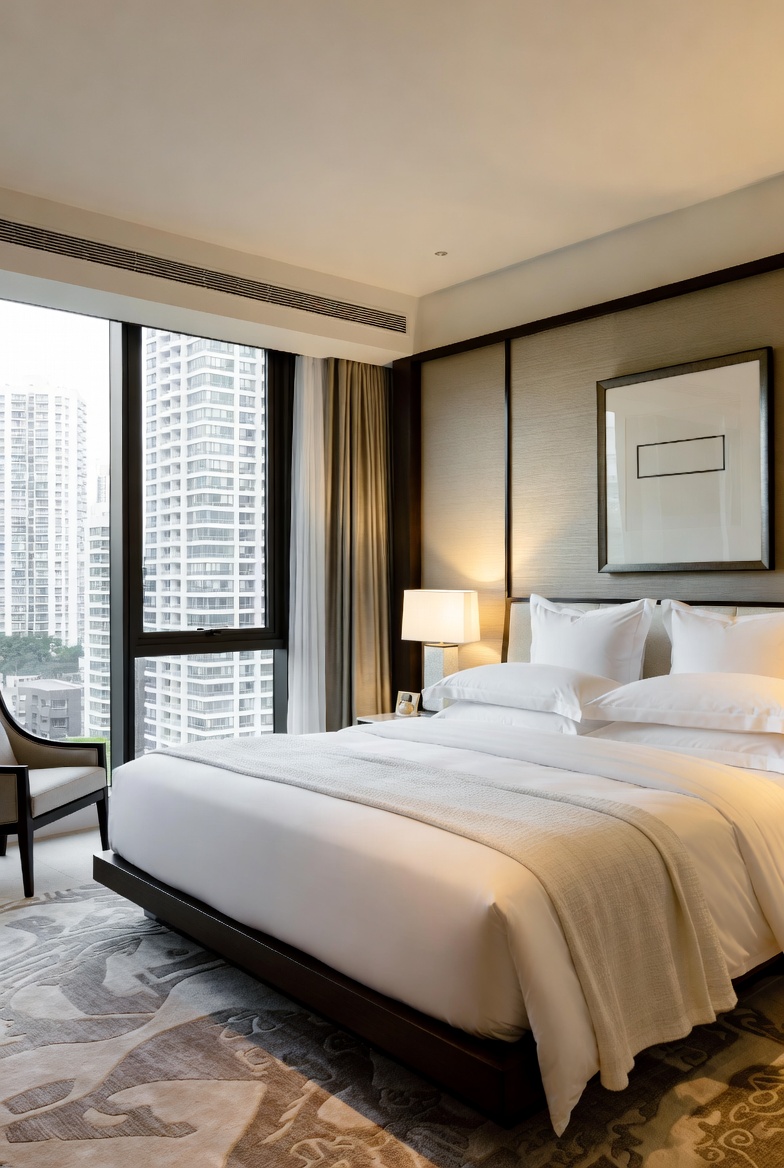
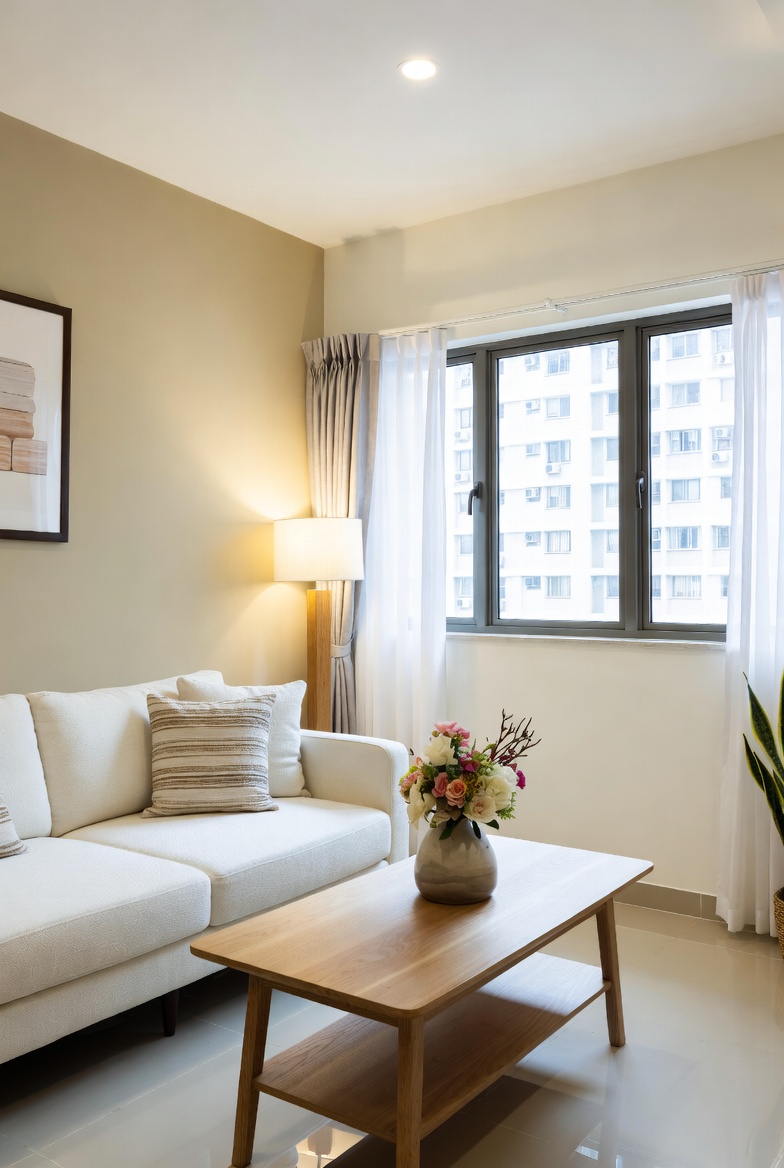
After the dust settles from your renovation, you might think, “Finally, can relax lah!” But steady leh, before you fully lepak in your newly transformed space, let’s talk about something super important: the air you’re breathing. You see, even the most beautiful contemporary interior design Singapore can be a bit sian if the air quality isn't up to par.
Renovations, as exciting as they are, can release all sorts of things into the air – dust, volatile organic compounds (VOCs) from new paints, adhesives, and even that gorgeous new sofa Singapore you just splurged on. It's not about being kiasu; it’s about making sure your home is a healthy and happy place for you and your family. After all, interior design is the art and science of planning and designing interior environments to enhance functionality, aesthetics, health, safety, and the overall human experience within a space.
Think about it lah. We spend so much time indoors, especially after a long day at the office and OT. That squeeze on the MRT home sia, then you just wanna breathe easy in your own space. Poor indoor air quality can lead to all sorts of unpleasantness – headaches, allergies, respiratory issues, and just a general feeling of being unwell. And who needs that right?
Measuring the air quality after your renovation helps you identify potential problems early. It's like a health check for your home. Are those new cabinets off-gassing too much formaldehyde? Is the dust from the kitchen renovation still lingering? Knowing is half the battle. Then you can take steps to improve things and truly enjoy your shiok new space.
One homeowner shared how connecting with the right designer via Wondrous La Vie helped them choose low-VOC materials for their bedroom design Singapore. They said it made a huge difference in how fresh and clean the air felt after the renovation. Confirm can feel the difference one!
Okay, so what exactly should you be looking out for? Here's a breakdown of the key metrics to keep an eye on after your interior design project:
You don't need to be a scientist to measure your indoor air quality. There are several options available, ranging from simple DIY tests to professional assessments.
Now, let's talk about the steady stuff – the regulations. Singapore has pretty strict Building Codes and Regulations in place to protect our health and safety.
For example, the Singapore Green Building Council (SGBC) promotes sustainable building practices, including the use of low-VOC materials. While not mandatory for all renovations, choosing Green Label certified products can help ensure better indoor air quality.
Remember to check with the relevant authorities like BCA (Building and Construction Authority) for specific requirements related to your renovation project. Being compliant not only ensures your safety but also contributes to a healthier living environment.
Alright, so you've measured your air quality, and it's not quite up to par. Don't panic! Here are some simple steps you can take to improve things:
Fun fact: A cosy, well-designed living room or bedroom can actually help you sleep better and feel less stressed after long workdays – small changes, big shiok difference!
Feeling a bit overwhelmed? Don't worry, lah. Wondrous La Vie, Singapore's go-to platform for connecting you to top interior designers and curated furniture brands, can help you navigate the world of contemporary interior design Singapore and ensure a healthy home.
Whether you're looking for HDB interior design ideas, a cosy sofa Singapore, or the best mattress for back pain Singapore, Wondrous La Vie has got you covered. They connect you with experienced best interior designers Singapore who understand the importance of indoor air quality and can help you choose materials and design solutions that promote a healthy living environment.
One homeowner shared how connecting with the right designer via the platform turned their cramped HDB living room into a cosy family hangout—suddenly weekends feel so much better.
Why not pop over to wondrouslavie.com, take the quick quiz, browse sofas/ mattresses, or connect with a designer and see what feels right for your space? They offer inspiration through real project showcases, style guides, and easy ways to find matching designers or pieces, with a focus on affordable luxury.
Transform your home into a shiok and healthy haven with Wondrous La Vie. Explore interior design inspiration, browse furniture like sofas/ mattresses, and connect with designers today!
Renovating your home is like giving it a new lease on life, right? Fresh paint, updated fixtures, maybe even a whole new layout. But once the dust settles (literally!), there's something you might not immediately think about: the air you're breathing. Especially in Singapore, where we spend so much time indoors escaping the heat and humidity, ensuring good indoor air quality after a renovation is super important. It's all part of making your house feel truly shiok to come home to.
Okay, let's be real. After a renovation, you're probably more focused on admiring your new contemporary interior design Singapore, your cosy sofa, or that dream kitchen you’ve always wanted. And that's totally understandable! But think about it: renovations can release all sorts of things into the air. We're talking about volatile organic compounds (VOCs) from paints, adhesives, and new furniture, as well as dust particles and other irritants. I’ve heard so many friends complain about headaches or feeling a bit under the weather after their renovations.
Why is this important? Well, prolonged exposure to poor indoor air quality can lead to all sorts of health problems, from allergies and asthma to more serious respiratory issues. And nobody wants that, especially after investing so much time and money into making your home beautiful. So, taking steps to measure and improve your indoor air quality is an essential part of completing your renovation project. It's about creating a healthy and comfortable living space for you and your family.
So, what exactly should you be looking out for? Here are some key metrics to keep an eye on after your renovation:
Now, you might be thinking, "Wah, so many things to worry about!" Don't worry, lah. We'll break down how to tackle this step by step.
Okay, so you know what to look for. Now, how do you actually measure these things? You've got a few options:
If your measurements (or your senses!) indicate that your indoor air quality isn't up to par, don't panic! There are several things you can do to improve it:
In Singapore, we're lucky to have pretty strict building codes and regulations that aim to protect our health and safety. But it's always good to know a little bit about them, especially when it comes to renovations.
While there aren't specific regulations that mandate post-renovation air quality testing for residential properties, the Singapore Green Building Council (SGBC) promotes sustainable building practices that prioritize indoor environmental quality. Many contemporary interior design Singapore firms are also increasingly aware of these issues and are incorporating eco-friendly materials and practices into their projects.
For commercial spaces, there are more stringent requirements. The Building and Construction Authority (BCA) sets standards for ventilation and air quality in offices and other commercial buildings to ensure a healthy working environment.
Even if you're not required to conduct formal air quality testing, it's always a good idea to be proactive and take steps to ensure that your home is a healthy and comfortable place to live.
At Wondrous La Vie, we understand that contemporary interior design Singapore is about more than just aesthetics. It's about creating spaces that enhance your well-being and improve your quality of life. That's why we connect you with top interior designers who are committed to using sustainable materials and practices that promote good indoor air quality.
We also offer a curated selection of premium furniture, including sofas, mattresses, and living room sets, that are made with low-VOC materials and designed for comfort and durability. Imagine sinking into a cosy sofa after a long day at the office and OT, knowing that you're breathing clean, healthy air. Shiok, right?
One homeowner shared how connecting with the right designer via the platform turned their cluttered HDB living room into a cosy family hangout – suddenly weekends feel so much better. Another client raved about how their new mattress from Wondrous La Vie helped improve their sleep quality and reduce their back pain. These are the kinds of stories that make us proud.
Ultimately, creating a healthy and comfortable home is an investment in your well-being. By taking simple steps to measure and improve your indoor air quality, you can transform your house into a haven where you can relax, recharge, and enjoy life to the fullest. Why not pop over to wondrouslavie.com, take the quick quiz, browse sofas/mattresses, or connect with a designer and see what feels right for your space? Confirm can find something that makes your home feel more shiok!
VOCs are emitted from many new building materials and finishes, such as paints, adhesives, and furniture. High VOC levels can cause short-term health effects like headaches and nausea, as well as long-term issues. Measuring VOCs after a renovation helps ensure the space is safe for occupants and meets indoor air quality standards.
Renovation activities often generate dust and other airborne particles. PM2.5 and PM10 refer to particulate matter with diameters of 2.5 micrometers or less and 10 micrometers or less, respectively. Monitoring these particles helps assess the effectiveness of dust control measures and protect respiratory health.
Formaldehyde is a common component in pressed wood products and some insulation materials. It is a known irritant and potential carcinogen, thus measuring formaldehyde levels post-renovation is crucial. This ensures levels are within acceptable limits for residential or commercial spaces.
Acoustic ceiling installation: a practical guide for Singapore contractors (how_to)
So, you've just finished your reno, ah? Congrats! That's a huge step, and you're probably itching to finally relax and enjoy your new space. But before you fully settle in, there's something important we need to talk about: the air you're breathing. You might not think about it, but renovations can stir up all sorts of things that affect your indoor air quality. Don't worry, it's not as scary as it sounds! Let's break down how to make sure your home is not just beautiful, but also healthy. After all, what's the point of a stunning contemporary interior design Singapore if it's making you cough?
Think about it – you're spending a big chunk of your life indoors, especially after a long day at the office and OT. You deserve to breathe easy in your own home. Renovations, while exciting, can introduce pollutants like volatile organic compounds (VOCs) from new paints, adhesives, and furniture. Dust and particles from construction can also linger in the air. These pollutants can lead to a range of health issues, from mild allergies and headaches to more serious respiratory problems. I've heard so many friends in the group chat complain about the same thing after their reno – constant sneezing and feeling a bit under the weather. It's really sian, right?
Plus, good air quality contributes to a more comfortable and enjoyable living environment. Imagine coming back to a living room that feels fresh and clean, instead of stuffy and irritating. That's the kind of shiok feeling we're aiming for! That's why measuring and addressing indoor air quality is a crucial final step in your renovation journey. It's about ensuring your home is a haven, not a hazard.
Okay, so what exactly should you be looking out for? Here are the key metrics you need to keep an eye on to ensure your contemporary interior design Singapore isn't compromising your health:
Don't panic! You don't need to be a scientist to check your air quality. Here are some easy ways to get started:
Now, you might be thinking, "Okay, that's a lot to consider!" And you're right, it can be overwhelming. But that's where Wondrous La Vie comes in. As Singapore's go-to platform for connecting you to top interior designers and curated furniture/brands, they understand the importance of creating a healthy and comfortable living environment.
Wondrous La Vie partners with interior designers who are knowledgeable about sustainable and eco-friendly materials. They can help you choose low-VOC paints, formaldehyde-free furniture, and other products that minimize indoor air pollution.
The platform also features a curated selection of premium furniture brands, including sofas, mattresses, and living room sets, that prioritize quality and sustainability. You can find pieces made from natural materials, with low chemical emissions, ensuring your furniture contributes to a healthier home. Imagine finding the perfect cosy sofa Singapore that not only looks amazing but also helps you breathe easier!
One homeowner shared how connecting with the right designer via the platform turned their cramped HDB living room into a cosy family hangout – and the designer even helped them choose air-purifying plants! Suddenly weekends feel so much better, and the air feels fresher too.
Wondrous La Vie also offers inspiration through real project showcases and style guides. You can browse different contemporary interior design Singapore styles and find ideas for creating a healthy and beautiful home.
In Singapore, there are building codes and regulations in place to ensure indoor air quality in new buildings and during renovations. The Singapore Green Building Council (SGBC) promotes sustainable building practices, including the use of low-VOC materials and proper ventilation systems. These regulations help to minimize the impact of construction on indoor air quality and protect the health of occupants. It's always a good idea to check with your interior designer about these regulations to ensure your renovation complies with the standards.
Picture this: you open the door after work and your shoulders just drop – sounds like heaven? It can be sia. Finding the right balance of aesthetics and health is key to creating a home that truly supports your well-being. It's really sian when your bedroom feels cluttered and your mattress is giving you backache after work, but with the right interior design ideas and comfy pieces, that sense of calm comes back stronger.
Why not pop over to wondrouslavie.com, take the quick quiz, browse sofas/mattresses, or connect with a designer and see what feels right for your space? Ready to create a better, more soul-nourishing living space? Singaporeans are always on the lookout for intelligent ways to update their living spaces without breaking the bank, especially when HDB or condo renos can already consume a large portion of the budget. Between rising costs and the need for a warmer, more practical home, many homeowners time their purchases carefully to improve couches, beds, and dining furniture that actually make daily life feel better. That’s when jumping on furniture showroom sales turns into a huge advantage—it lets you snag well-designed, durable items at meaningful discounts, often with extra benefits like complimentary installation, extended warranties, or bundle deals that maximise your budget. All of a sudden you’re able to buy that plush sofa you’ve been eyeing or a better back-supporting bed without the second thoughts, turning your home into an even more inviting spot for bonding and rest after tiring office days. Checking platforms like Wondrous La Vie helps you stay updated on the current deals, so you can evaluate, picture, and claim the top bargains that match your lifestyle and interior perfectly.. Contact Wondrous La Vie now for a personalised consultation and unlock your dream cosy sanctuary. Confirm can!