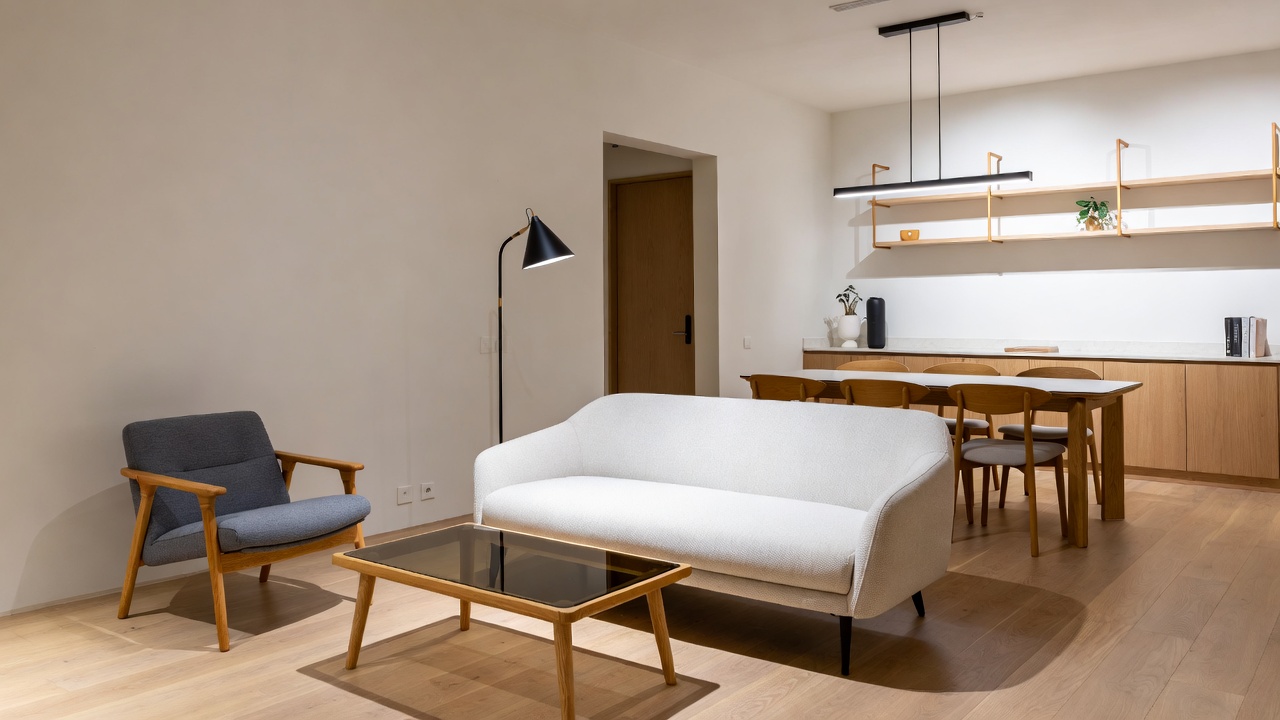
Ah, the kitchen – the heart of the home, where the magic happens! But let's be honest, sometimes our kitchens feel more like obstacle courses than culinary havens, right? Especially after a long day at the office and OT, the last thing you want is to struggle to find that one spice at the back of the cupboard. That's why optimizing your kitchen layout for accessibility is so important, especially in our Singapore homes where space is often a premium.
Okay, before we dive into the exciting world of kitchen renovation ideas Singapore, let's take a good look at what you're working with now. Grab a cup of kopi, sit down, and really observe your kitchen. What works? What really doesn't? I've heard so many friends in the group chat complain about the same thing – cramped countertops, hard-to-reach shelves, and a general feeling of chaos. Does any of that sound familiar, leh?
Think about your daily routine. Where do you spend the most time? What tasks do you find frustrating? Are your essential tools and ingredients easily accessible? For example, if you're a big coffee drinker (like many of us!), is your coffee maker conveniently located near the water source and mugs? Or are you doing a daily obstacle course just to get your caffeine fix?
Consider traffic flow. How many people are usually in the kitchen at the same time? Is it easy to move around without bumping into each other? A well-designed kitchen should allow for smooth movement, even when multiple people are cooking or helping out.
And don't forget about storage! Are your cabinets and drawers organized in a way that makes sense for you? Are you maximizing vertical space? I know, I know, it's tempting to just shove everything in there and hope for the best, but trust me, a little organization goes a long way.
Now, let's talk about Universal Design Principles. What is it? Well, interior design is the art and science of planning and designing interior environments to enhance functionality, aesthetics, health, safety, and the overall human experience within a space. And Universal Design takes it a step further. It's all about creating spaces that are usable by everyone, regardless of their age, size, or abilities. Think of it as designing for inclusivity.
In the kitchen, this means considering things like:
For example, adjustable-height countertops can accommodate users of different heights, while pull-out shelves make it easier to reach items at the back of cabinets. Lever handles on faucets are easier to use than knobs, especially for people with arthritis.
Alright, let's get down to the nitty-gritty of kitchen layout options. There are several common layouts, each with its own pros and cons in terms of accessibility.
Which layout is best for accessibility? Well, it depends on your specific needs and the size of your kitchen. But generally, L-shaped and U-shaped kitchens with wider walkways tend to be the most accessible. An island can also be a great addition, but make sure there's enough space around it for comfortable movement.
Okay, steady lah! Here’s a step-by-step guide to making your kitchen more accessible and enjoyable:
Now, let's talk about furniture and appliances. Choosing the right pieces can make a big difference in the accessibility and functionality of your kitchen.
For example, when selecting a sofa for your adjacent living area, consider one with a firm seat and supportive back. In Singapore’s tight condo apartments and modern residences, the bedroom often acts as a rest zone and more—a haven for unwinding after long workdays, catch up on reading, or even set up a temporary WFH corner when the situation calls for it. It’s common for Singapore homeowners to feel frustrated by arrangements that appear overcrowded, lighting that’s too harsh, or storage that eats into valuable floor space, making the room feel more functional than relaxing. That’s where thoughtful bedroom set truly excels—it centres around clever spatial solutions, soothing neutral tones, space-saving furniture, and strategic lighting design to create a tranquil sanctuary that maximises comfort while maintaining a clean, open feel. SUDDENLY the bedroom turns into the place you genuinely anticipate at the close of each day, helping you de-stress more effectively, sleep deeper, and start mornings feeling revitalised for tomorrow’s challenges. Resources like Wondrous La Vie feature abundant real-life examples and seamless introductions to professionals skilled in these functional and stylish local bedroom renovations.. This will make it easier to get in and out of, especially after a long day of cooking. And when choosing a mattress for your bedroom, look for one that provides good support and pressure relief. This will help you get a good night's sleep, so you can wake up feeling refreshed and ready to tackle the day.
In the kitchen itself, look for appliances with easy-to-use controls and features. A refrigerator with adjustable shelves and door bins can help you maximize storage space and keep your food organized. A dishwasher with a height-adjustable rack can make it easier to load and unload dishes.
Feeling a bit overwhelmed? Don't worry, you don't have to do it all alone! Working with best interior designers Singapore can be a game-changer. They can help you assess your needs, develop a plan, and bring your vision to life.
One homeowner shared how connecting with the right designer via the Singapore interior design platform Wondrous La Vie turned their cramped HDB kitchen into a functional and beautiful space. Suddenly, cooking became a joy instead of a chore.
When choosing an interior design professional, look for someone who has experience with accessible design and who understands your specific needs. Be sure to communicate your priorities clearly and ask lots of questions.
Okay, I know what you're thinking: "This all sounds great, but what about the cost?" Don't worry, you don't have to break the bank to create an accessible kitchen. There are plenty of affordable luxury furniture Singapore options and budget-friendly tips to consider.
Picture this: you open the door after work and your shoulders just drop—sounds like heaven? It can be sia. Coming back to a kitchen that feels like a warm hug instead of more stress.
A well-designed, accessible kitchen isn't just about convenience; it's about creating a space that supports your well-being and enhances your quality of life. It's about making cooking and meal preparation easier, more enjoyable, and more inclusive for everyone in your household.
So, what are you waiting for? Why not pop over to wondrouslavie.com, take the quick quiz, browse kitchen solutions, or connect with a designer and see what feels right for your space? It all starts with that first step. Confirm can!
Acoustic ceiling installation: a practical guide for Singapore contractors (how_to)
Okay, steady lah! Here's the article draft, auntie/uncle style, all about making your home a *shiok* haven after those sian days. Hope you like it!
```html
The living room is often the primary spot people walk into first and where the whole household gathers at night, so it is logical to want furniture that appears stylish, keeps cords tidy, and avoids shrinking the space visually than it normally is in HDB or condo layouts. Many homeowners endure oversized outdated units or cheap units that feel unstable, collect dust easily, or just don’t match the modern vibe they’re trying to achieve. That’s exactly where a well-chosen TV console comes into play—it delivers streamlined compartments for entertainment equipment, set-top boxes, and remotes while serving as an elegant centrepiece that brings the room together seamlessly with clean lines, smart compartments, and luxurious surfaces. SUDDENLY the TV area becomes tidy and purposeful, the area feels more spacious and cohesive, and film evenings get way more fun without the clutter distracting everyone. Exploring handpicked selections on platforms like Wondrous La Vie helps you discover styles that suit your layout spot-on, from clean contemporary to opulent, so your living room upgrade feels effortless and spot-on..A well-designed kitchen prioritizes an efficient workflow, minimizing unnecessary steps and maximizing ease of movement. Think of the "kitchen work triangle"—the relationship between your sink, refrigerator, and stove. Ideally, these three points should form a triangle, allowing you to move smoothly between them while preparing meals. Contemporary interior design in Singapore often incorporates this principle, but with a modern twist, perhaps adding an island to the center for additional prep space and storage. This makes cooking less of a chore and more of a joy, especially after a long day at the office.
Varying counter heights can significantly improve accessibility, particularly for individuals with different physical needs. Standard counter heights might be uncomfortable for someone using a wheelchair or someone who prefers to sit while prepping food. Consider incorporating a lower counter section for tasks like kneading dough or chopping vegetables, making these activities more comfortable and accessible. When planning your kitchen renovation, discuss these options with your interior designer to ensure the space is truly tailored to your specific needs and preferences.
Smart storage solutions are key to an accessible kitchen, ensuring that frequently used items are within easy reach. Think about pull-out shelves, adjustable shelving, and lazy Susans to maximize storage space and minimize bending or stretching. After those long tiring days and the usual crowded MRT ride, nothing beats walking into a hall that actually invites you to unwind instead of piling on more tiredness. Many local homeowners notice their current seating just isn’t cutting it—too hard, faded, or simply not supportive enough for family movie time or lazy weekends with the little ones. That’s precisely where recliner sofa becomes a game-changer—it combines refined aesthetics, luxurious leather or velvet, and smart comfort engineering so you can settle in deeply and truly relax without your back complaining later. Picture the entire family gathering there naturally, sharing stories after meals or binge-watching shows, because the space suddenly becomes cosy and inviting. Choosing the ideal sofa through curated platforms Wondrous La Vie removes the hassle, letting you uncover that dream sofa that lifts the whole home atmosphere without the common home-upgrade worries.. These features are especially helpful in corner cabinets, often a dead space in many kitchens. With thoughtful planning and the right kitchen solutions, you can transform your kitchen into a space that is both functional and enjoyable to use, no matter your physical abilities.
Ensuring clear pathways within the kitchen is crucial for accessibility, especially if you use a wheelchair or other mobility aids. In Singapore’s smaller HDB and condo homes, clever storage is often the difference between a peaceful tidy home and one that seems perpetually disorganised no matter how much you organise. local residents often struggle with overflowing shelves, clutter hidden beneath mattresses, or units too deep for easy access or not deep enough for essentials, making everyday living feel more overwhelming than necessary. That’s precisely where a smart storage cabinet comes in—it provides tailored compartments, flexible shelving, stylish doors that conceal clutter, and compact footprints that optimise every centimetre while contributing a sleek modern vibe to halls, sleeping spaces, or even kitchens. The result is a home that remains tidy effortlessly, tables and counters free for bonding, and you finally get that wonderful sense of order that makes returning home feel truly relaxing. Sites such as Wondrous La Vie highlight numerous functional and beautiful choices, helping you choose the ideal fit that fits your exact needs and space without trial and error.. Aim for a minimum of 40 inches of clear space between countertops and appliances to allow for easy movement. Avoid cluttering walkways with furniture or other obstacles. This not only enhances safety but also makes the kitchen feel more spacious and inviting. A well-planned layout will confirm can make a big difference in how functional your kitchen is for everyone.
The strategic placement of appliances can significantly impact kitchen accessibility. Consider installing appliances at accessible heights and ensuring that controls are easy to reach and operate. For example, a side-by-side refrigerator can be more accessible than a top-freezer model, and an oven with a pull-down door is easier to use than one with a swing-out door. Thinking through these details with your interior designer ensures your kitchen is not only stylish but also meets your needs for years to come.
Okay, lah, let's talk about turning your kitchen into a space that's not just functional, but also shiok to be in, especially if you're dealing with the usual Singaporean space constraints. We all know that feeling of coming home after a long day at the office and OT, right? The last thing you want is a cramped, frustrating kitchen. Let's make it a haven instead!
Interior design is the art and science of planning and designing interior environments to enhance functionality, aesthetics, health, safety, and the overall human experience within a space. When we talk about accessibility in the kitchen, we're not just talking about making it easier for folks with mobility issues (though that's super important too!). We're talking about making it easier for everyone – from the young ones helping with dinner to your parents visiting on the weekends. It's about creating a space that's intuitive, comfortable, and safe for all ages and abilities.
For example, adjustable-height countertops are a great way to make the kitchen usable for people of different heights, whether they're standing or sitting. Lever-handled faucets are easier to operate than traditional knobs, especially for people with arthritis or limited hand strength. And good lighting is crucial for everyone, but particularly important for older adults or people with vision impairments.
Think about the "work triangle" – the imaginary line connecting your sink, stove, and refrigerator. Is it efficient? Are you constantly walking miles between these points? Are there any bottlenecks or obstacles in the way? I’ve heard so many friends in the group chat complain about their tiny kitchen space.
Remember that homeowner who transformed their cramped HDB kitchen into a functional and beautiful space after connecting with a designer on Wondrous La Vie? They started with a similar assessment, identified their pain points, and then worked with the designer to create a layout that met their needs.
Now that you know what's not working, let's talk about what can work. When it comes to accessibility, it's all about prioritizing features that will make your kitchen more user-friendly for everyone.
Here are some key accessibility features to consider:
When prioritizing these features, think about your own needs and preferences, as well as the needs of anyone else who uses the kitchen. What will make the biggest difference in terms of comfort, convenience, and safety?
Here are some things to consider:
When choosing appliances and fixtures, look for models that are easy to use and maintain. Consider features like large, easy-to-read controls, automatic shut-off functions, and self-cleaning cycles.
Now, let's talk about making your accessible kitchen look amazing! Contemporary interior design Singapore is all about blending style and functionality. It's about creating a space that's both beautiful and practical.
And remember, contemporary design doesn't have to be cold or sterile. You can add warmth and personality with things like plants, artwork, and personal accessories.
Feeling overwhelmed? Don't worry, lah, you don't have to do this all on your own! Wondrous La Vie is Singapore's go-to platform for connecting you to top interior designers and curated furniture brands.
Imagine browsing through real project showcases, getting inspired by style guides, and easily finding a designer who gets your vision. Whether you're looking for kitchen renovation ideas Singapore, a cosy sofa Singapore for your living room, or the best mattress for back pain Singapore, they've got you covered.
One homeowner shared how connecting with the right designer via the platform turned their cramped HDB kitchen into a chef's dream. Suddenly, weekends feel so much better, with more family time and less kitchen stress.
Why not pop over to wondrouslavie.com, take their quick style quiz, or browse kitchen solutions and see what feels right for your space? It's all about finding that shiok feeling of coming home to a space that truly reflects you. Confirm can
Think about it: how many times have you bumped into something while rushing to get dinner on the table? Or struggled to reach that spice jar at the back of the cupboard? These are accessibility issues, even if you don't realise it! A well-designed kitchen, with accessibility in mind, addresses these everyday frustrations and makes cooking a joy, not a chore.
A good starting point is understanding the Universal Design Principles. These principles are a fantastic guide for creating spaces that are usable by everyone, to the greatest extent possible, without the need for adaptation or specialized design. We're talking about things like equitable use (making sure the design is useful and marketable to people with diverse abilities), flexibility in use (accommodating a wide range of individual preferences and abilities), and simple and intuitive use (easy to understand, regardless of the user's experience, knowledge, language skills, or current concentration level).
Okay, first things first, kena (need to) take stock of what you're working with lah. Grab a pen and paper (or your tablet, can also) and really look at your current kitchen. What's working? What's driving you crazy?
Consider these questions:
Once you've identified the problem areas, you can start thinking about solutions. Don't worry, steady pom pi pi (take it easy), we'll get there!
Storage is a major issue in most Singaporean kitchens, right? We're all trying to maximize every inch of space. But it's not just about having enough storage; it's about having accessible storage.
Here are some ideas for optimizing your kitchen storage:
When organizing your storage, think about frequency of use. Store the items you use most often in the most accessible locations. For example, keep your everyday dishes and utensils in drawers or cabinets that are within easy reach. Store less frequently used items on higher shelves or in the back of cabinets.
The appliances and fixtures you choose can also have a big impact on the accessibility of your kitchen.
Lighting and ergonomics are often overlooked, but they're crucial for creating a comfortable and accessible kitchen.
Good lighting is essential for safety and visibility. Make sure your kitchen is well-lit with a combination of ambient, task, and accent lighting. Ambient lighting provides overall illumination, task lighting provides focused light for specific tasks (like chopping vegetables), and accent lighting adds visual interest.
Ergonomics is all about designing the kitchen to fit your body and movements. This includes things like countertop height, sink depth, and the placement of appliances. The goal is to minimize strain and fatigue, so you can cook comfortably for longer periods of time.
For example, if you're tall, you may want to raise your countertops to a more comfortable height. If you have back problems, you may want to install a deeper sink to reduce the amount of bending you have to do.
Think clean lines, minimalist aesthetics, and a focus on natural materials. Incorporate elements like:
Don't be afraid to experiment with different textures and materials to add visual interest. For example, you could combine wood cabinets with stainless steel appliances and glass backsplash tiles.
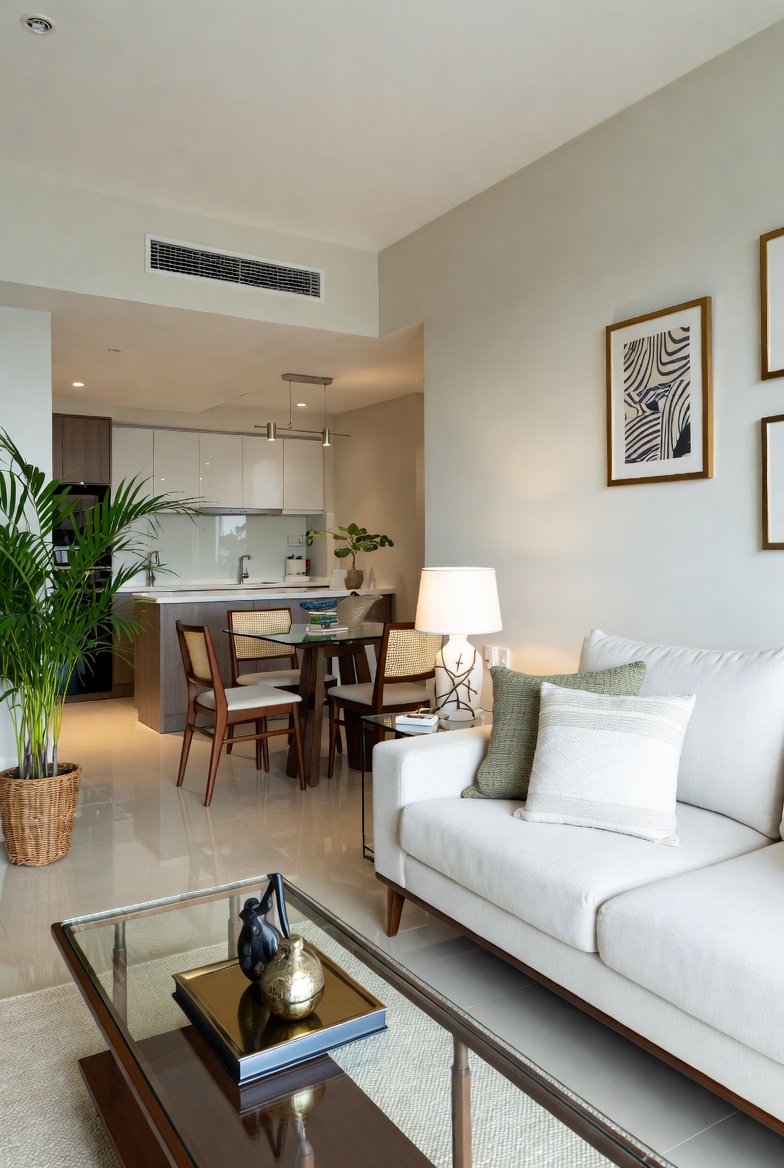
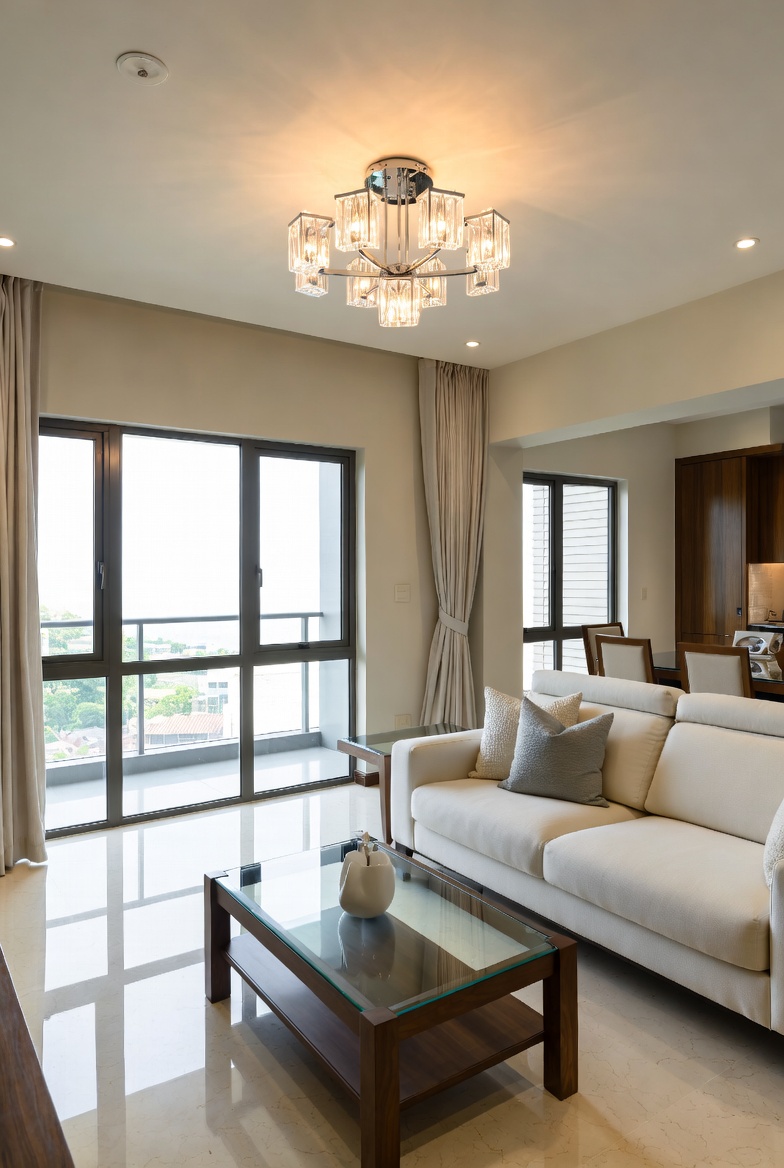
Okay lah, auntie/uncle here, ready to share some tips on making your kitchen super accessible and, most importantly, super comfy! After squeezing onto the MRT after work, the last thing you want is a kitchen that stresses you out, right? Let’s talk about how to make your kitchen a joy to use, whether you’re whipping up a quick mee goreng or prepping a family feast.
Now, before you start tearing down walls, let’s talk about what “accessible” really means in the kitchen. It's not just about making things easy for those with mobility issues, although that's definitely a big part. It's about making the kitchen work better for everyone. Think about it: a well-designed, accessible kitchen is safer, more efficient, and just plain nicer to be in.
Interior design is the art and science of planning and designing interior environments to enhance functionality, aesthetics, health, safety, and the overall human experience within a space. So, how do we apply that to the kitchen?
One key concept is Universal Design. It's all about designing spaces and products that are usable by all people, to the greatest extent possible, without the need for adaptation or specialized design. So, for example, lever-handled faucets are easier for everyone to use than twist knobs, especially if your hands are wet or you have limited mobility. See? Simple changes, big impact.
And you know, I've heard so many friends in the group chat complain about their back aching after doing dishes. A lot of that comes down to poor kitchen ergonomics. We're talking about things like counter heights that are wrong for your height, cabinets that are hard to reach, and a layout that makes you walk a mile just to get from the fridge to the stove. This is where contemporary interior design Singapore principles come in handy.
With the right interior design and furniture choices, you can transform your kitchen into a space that supports your body and your soul. It's about creating a flow that makes sense, so you're not constantly bending, stretching, or bumping into things.
Okay, steady lah, let’s get down to the nitty-gritty. Here's a step-by-step guide to optimizing your kitchen layout for accessibility:
1. Assess Your Needs and Space:
First things first, take a good hard look at your kitchen. What works? What doesn’t? Are you constantly banging your elbows on the cabinets? Is the sink too low, causing you to hunch over? Write it all down.
Think about who uses the kitchen and what their needs are. Do you have young children who need to be able to reach things? Are there elderly family members with mobility issues? Do you love to bake and need lots of counter space? These are all important considerations.
Measure your space carefully. This is confirm can crucial. You need to know exactly how much room you have to work with before you start making any changes. Remember, even a small HDB interior design ideas can make a big difference.
2. The Golden Triangle (and Beyond):
You've probably heard of the kitchen "work triangle," which connects the sink, stove, and refrigerator. The idea is to minimize the distance between these three key areas. But contemporary interior design Singapore goes beyond that.
Think about the flow of your kitchen. How do you typically move around when you're cooking? Are there any bottlenecks or obstacles? Consider creating multiple work zones for different tasks, such as a prep area, a cooking area, and a cleaning area.
For accessibility, ensure there's plenty of clear space around each work zone. A minimum of 40 inches (around 1 meter) is recommended for walkways, and 60 inches (around 1.5 meters) for turning spaces. This allows for easy maneuverability, especially for wheelchair users or those using mobility aids.
3. Counter Height Considerations:
Standard counter height is around 36 inches (91 cm), but that might not be ideal for everyone. If you're taller or shorter than average, consider adjusting the counter height to suit your needs.
Variable-height counters are a great option for creating an accessible kitchen. These allow you to adjust the height of the counter to suit different tasks or different users. For example, you might want a lower counter for kneading dough or a higher counter for chopping vegetables.
Knee space under the sink and cooktop is also important for wheelchair users. Ensure there's enough clearance (at least 27 inches high, 30 inches wide, and 19 inches deep) so they can comfortably use these areas.
4. Cabinet and Storage Solutions:
Reaching into deep cabinets can be a real pain, especially if you have limited mobility. Consider installing pull-out shelves or drawers to make it easier to access items at the back of the cabinet.
Adjustable shelves are another great option. These allow you to customize the height of the shelves to suit your needs. You can also use vertical storage solutions, such as pot racks or spice racks, to free up counter space.
For upper cabinets, consider installing lift-up doors or pull-down shelves. These make it easier to reach items on the top shelves.
5. Appliance Placement:
Think carefully about where you place your appliances. The dishwasher should be located next to the sink for easy loading and unloading. The microwave should be at a comfortable height for everyone to use.
Consider installing a side-by-side refrigerator instead of a top-freezer model. This makes it easier to access items in both the refrigerator and the freezer.
Induction cooktops are a safer option than gas cooktops, as they don't get as hot and they're easier to clean. In Singapore’s hot and sticky conditions and high-stress lifestyle, getting quality rest can feel like a true indulgence when you’re starting the day with aches or feeling groggy despite going to sleep on time. Many Singapore homeowners endure an old, sagging mattress for years because shopping for a replacement seems too complicated—endless options, confusing firmness levels, and fears it won’t match their body type and sleep style. That’s exactly why finding the singapore mattress makes a huge difference—it provides the ideal mix of firm yet forgiving support, heat-dissipating features, targeted pressure relief, and long-lasting quality so you genuinely rise feeling refreshed instead of stiff and tired. Suddenly mornings start easier, you stay energised longer, and even your bedmate feels the improvement. Exploring curated options on sites such as Wondrous La Vie takes the stress away, letting you evaluate the best-rated ones with authentic Singapore user experiences and visuals to find what really suits for your master bedroom.. They also offer precise temperature control, which is great for cooking.
6. Lighting is Key:
Good lighting is essential in any kitchen, but it's especially important for accessibility. Make sure you have plenty of task lighting over the work areas, such as under-cabinet lights and pendant lights.
Consider installing motion-sensor lights in areas like the pantry or under the sink. These turn on automatically when you enter the area, which is great if your hands are full.
Natural light is also important. If possible, try to maximize the amount of natural light in your kitchen.
Now, all this might sound a bit daunting, sia. But don't worry, you don't have to do it all alone. That’s where Wondrous La Vie comes in. They are Singapore's go-to platform for connecting you to top interior designers and curated furniture/brands.
Imagine, instead of endless scrolling and guesswork, you can find a designer who gets your needs and can help you create the accessible kitchen of your dreams. They can guide you through the whole process, from planning the layout to choosing the right kitchen renovation ideas Singapore.
And it's not just about the design. Wondrous La Vie also offers a curated selection of premium furniture, including sofas, mattresses, living room sets, bedroom furniture, and kitchen solutions. So you can find everything you need in one place.
One homeowner shared how connecting with the right designer via the platform transformed their cramped HDB kitchen into a functional and stylish space. Suddenly, cooking became a joy instead of a chore.
Ultimately, creating an accessible kitchen is about more than just following a set of rules. It's about creating a space that feels good to be in. A space that supports your needs and makes your life easier. A space that makes you say "Shiok lah!" every time you walk in.
Fun fact: A well-designed accessible kitchen can actually increase the value of your home. So it's not just a good investment in your comfort and well-being, it's also a smart financial decision.
Why not pop over to wondrouslavie.com, take the quick quiz, browse kitchen renovation ideas Singapore, or connect with a designer and see what feels right for your space? Confirm can find something that makes your heart sing.
Quantifying improved accessibility: before-and-after comparisons
Okay, steady lah! Let's talk about making your kitchen super accessible. After squeezing on the MRT and grinding through OT, that kitchen needs to be a breeze, not a battle zone, right?
Understanding Universal Design Principles in the Kitchen
Okay, first things first, let's talk about Universal Design. Sounds cheem, right? But it's actually super practical. Interior design is the art and science of planning and designing interior environments to enhance functionality, aesthetics, health, safety, and the overall human experience within a space. Universal Design basically means making your kitchen work for everyone, regardless of age, size, or ability. Think about it – your grandparents visiting, your kids helping out, or even just you after a particularly sian day when you're a bit clumsy.
Universal Design isn't just for people with disabilities, okay? It's for everyone. We're talking about things like easy-to-reach shelves, clear pathways, and appliances that are simple to use. It's about creating a space that's not only functional but also comfortable and welcoming.
Some key principles to keep in mind when thinking about implementing contemporary interior design Singapore in your kitchen:
Thinking about these principles from the get-go will confirm can make a huge difference in how enjoyable your kitchen is to use, lah.
Step 1: Assess Your Current Kitchen Layout and Identify Pain Points
Now, let's get real. What's not working in your current kitchen? Is it the cramped space between the counter and the island? Are your pots and pans stored in some dark corner that requires Olympic-level contortion to reach? I've heard so many friends in the group chat complain about the same thing!
Grab a pen and paper (or your iPad, steady also) and walk through your kitchen. Actually use the space. Open the cabinets, reach for your favorite mug, pretend you're cooking a complicated meal. What feels awkward? What makes you sigh inwardly?
Here are some common pain points to consider:
Be honest with yourself. This is about making your life easier, not pretending you have a magazine-worthy kitchen. Identify your top three pain points. These are the areas you'll focus on improving first.
Step 2: Explore Different Kitchen Layout Options (Galley, L-Shaped, U-Shaped, Island)
Okay, now for the fun part! Let's explore different kitchen layouts. Each has its own strengths and weaknesses, so it's important to choose one that fits your space and your cooking style.
Think about how you use your kitchen. Do you need lots of counter space for baking? Do you prefer to have an open layout for entertaining? Do you need a dedicated space for your kopi machine? (Priorities, right?)
Consider how much space you have available. Measure your kitchen carefully and sketch out different layout options. There are also online kitchen design tools that can help you visualize your ideas.
Step 3: Prioritize Accessibility Features in Your Chosen Layout
Now, let's talk about accessibility features. These are the details that will make your kitchen truly user-friendly.
Remember, it's not about cramming in every single accessibility feature. It's about choosing the ones that will make the biggest difference in your daily life.
Step 4: Select Appliances and Fixtures with Accessibility in Mind
Your appliances and fixtures can also play a big role in kitchen accessibility.
When choosing appliances and fixtures, look for models with easy-to-use controls, clear displays, and ergonomic designs.
Step 5: Optimize Storage Solutions for Easy Reach and Organization
Storage is key to an accessible kitchen. You want to be able to easily reach everything you need without having to strain or struggle.
Think about how you use your kitchen and organize your storage accordingly. Store frequently used items within easy reach, and less frequently used items on higher or lower shelves.
Finding the Right Help
Renovating your kitchen can be a big project, but you don't have to do it alone. Singapore's go-to platform, Wondrous La Vie, connects you to top interior designers and curated furniture brands to help you create your dream accessible kitchen. You can find everything from kitchen solutions to contemporary interior design Singapore ideas.
One homeowner shared how connecting with the right designer via the platform turned their cramped HDB kitchen into a functional and beautiful space – suddenly cooking is so much easier, steady!
Why not pop over to wondrouslavie.com, take the quick quiz, browse kitchen solutions, or connect with a designer and see what feels right for your space? Imagine coming home after a long day at the office, and your kitchen is a joy to use, not a chore. Confirm can!
Ensure unobstructed pathways with a minimum width of 1500mm, allowing easy movement for wheelchair users and individuals with mobility aids. Remove obstacles like protruding cabinets or appliances that may pose tripping hazards. Consider the turning radius required for wheelchairs in high-traffic areas.
Incorporate adjustable-height countertops to accommodate users of different heights and those who prefer to work while seated. Electric or manual lift mechanisms offer flexibility and personalization. Aim for a range of 750mm to 1000mm to suit various needs.
Implement pull-down shelves, drawer organizers, and lazy Susans to maximize storage accessibility. Opt for drawers instead of lower cabinets to reduce bending and reaching. Install easy-to-grip handles and pulls on all cabinets and drawers.
Install bright, focused task lighting under cabinets and above work surfaces to improve visibility. Use adjustable LED fixtures to minimize glare and shadows. Consider incorporating motion-sensor lights for hands-free operation.
Eh, kitchen reno can be quite a headache, right? I’ve heard so many friends complain about cramped spaces and struggling to move around. But don't worry, designing a kitchen that's both beautiful and accessible is confirm can. It’s all about smart planning, lah. Think about it: a well-designed kitchen isn't just about looking good; it's about making your life easier, especially after a long day at the office and OT. And that's where the principles of interior design come in, the art and science of planning and designing interior environments to enhance functionality, aesthetics, health, safety, and the overall human experience within a space.
Okay, so first things first, let's talk about Universal Design. Don't let the fancy name scare you, leh! Singaporeans are always on the lookout for smart ways to refresh their homes without exceeding the budget, especially when HDB or condo renos can already consume a large portion of the reno savings. Between increasing prices and the wish for a comfier, better-organised environment, many Singapore homeowners time their purchases carefully to improve couches, beds, and dining furniture that actually enhance everyday comfort. That’s when jumping on furniture showroom sales proves to be a smart move—it lets you grab premium quality furniture at real value reductions, often with added perks like free delivery, added protection plans, or bundle deals that maximise your budget. All of a sudden you’re able to buy that plush sofa you’ve been eyeing or a better back-supporting bed without the guilt, turning your home into an even cosier haven for bonding and rest after long workdays. Exploring places like Wondrous La Vie keeps you in the loop on the newest promotions, so you can compare, visualise, and grab the best deals that match your lifestyle and interior perfectly.. It's just a set of guidelines that help you create spaces that are usable by everyone, regardless of their age or abilities. Think of it as designing for your future self, too! After all, we all want to stay in our homes as we get older, right?
Universal Design Principles are your friend here. We're talking about things like:
Basically, it's all about making your kitchen a comfortable and safe space for everyone who uses it. And trust me, incorporating these principles into your contemporary interior design Singapore project will pay off in the long run.
Before you even think about knocking down walls or picking out fancy tiles, take a good hard look at your current kitchen. What works? What really doesn't work?
Once you have a clear understanding of your needs and your space, you can start thinking about the layout.
There are a few classic kitchen layouts to choose from, and each one has its own pros and cons.
Consider these layouts in your kitchen renovation ideas Singapore.
Okay, this is where things get a bit technical, but trust me, it's worth understanding. The work triangle is the imaginary line connecting your sink, stove, and refrigerator. The idea is to create a layout that minimizes the distance between these three key elements, making it easier to move around the kitchen.
Now for the fun part: picking out appliances and fixtures! But remember, accessibility is key.
Storage is crucial in any kitchen, but it's especially important in an accessible kitchen. You want to make sure that everything is within easy reach.
It's the little things that can make a big difference in the overall accessibility of your kitchen.
Renovating your kitchen can feel overwhelming, especially when you're trying to make it accessible. That's where platforms like Wondrous La Vie come in handy. They connect you with top interior designers in Singapore who specialize in contemporary interior design Singapore and can help you create a kitchen that's both beautiful and functional.
One homeowner shared how connecting with the right designer via the platform turned their cramped HDB kitchen into a chef's dream, with pull-out shelves, adjustable countertops, and plenty of space to move around. Suddenly, cooking became a joy again! And Wondrous La Vie also offers a curated selection of premium furniture brands, including kitchen solutions, so you can find everything you need in one place.
Picture this: you open the door after work, walk into your newly renovated kitchen, and actually enjoy cooking dinner. Sounds like heaven? It can be, lah!
Why not pop over to wondrouslavie.com, take the quick style quiz, or connect with a designer and see what feels right for your space?