Okay, steady lah! Let's transform your home into a shiok sanctuary, one step at a time. Here's something to get you started...
Okay, imagine this: You sian after a long day at the office, the MRT ride home felt like a sardine can, and all you want is to collapse onto a comfy sofa. But your living room… it just doesn't spark joy, leh? Maybe it's the wall colour clashing with your furniture. Don't worry, we've all been there! Choosing wall colours can be stressful, especially when you already have furniture you love. But confirm can! Here's a checklist to help you make the right decisions, lah.
First things first, kena inventory hor. Take a good look at your existing furniture. We’re talking sofas, dining tables, beds, cabinets – the big kahunas. What style are they? Modern minimalist? Classic and cozy? Eclectic and fun? Knowing your furniture's style is key for AI interior design to work its magic.
Think about the overall aesthetic you're aiming for. Is it a calm, Scandinavian vibe? Or a bold, vibrant, modern look? Understanding your style helps you narrow down your colour choices. For example, if you have a lot of dark wood furniture, lighter wall colours can create a nice contrast and brighten up the space. On the other hand, if your furniture is mostly light and airy, you might be able to get away with a bolder wall colour.
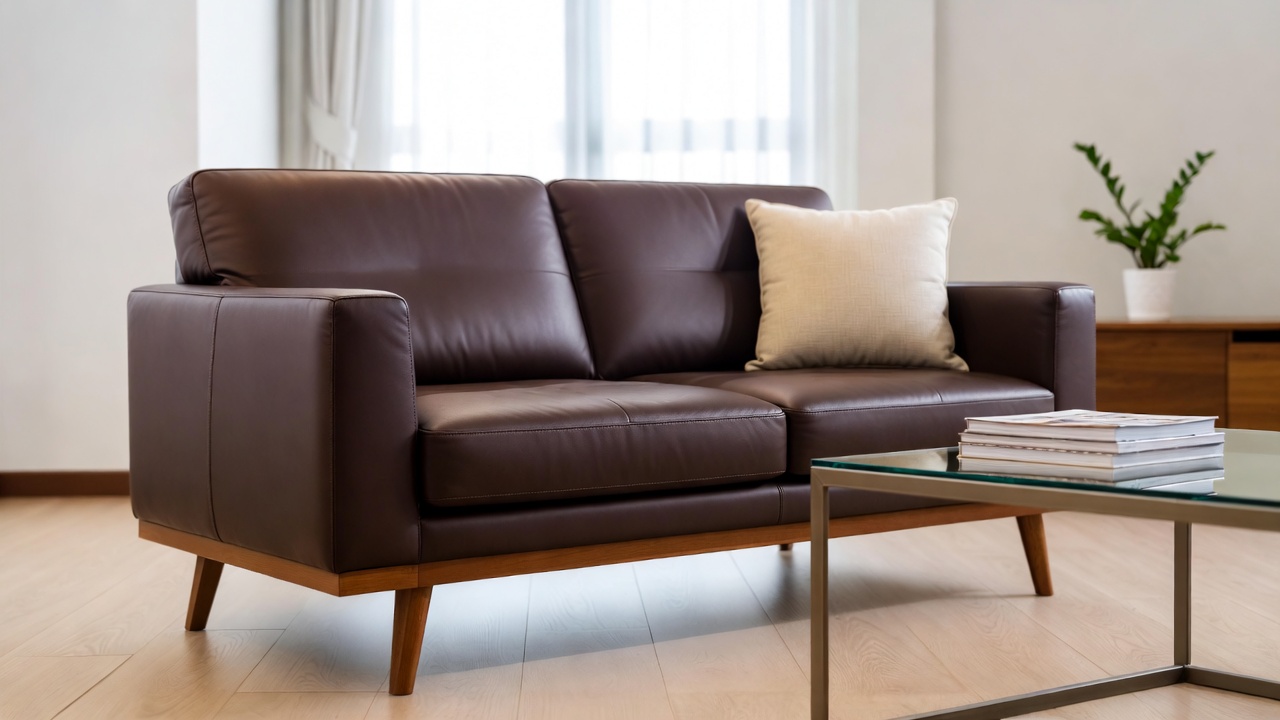
One homeowner shared how they were struggling to find the right wall colour for their living room. They had a beautiful, dark-wood sofa, and everything they tried just looked…wrong. By identifying the sofa's classic style and using AI interior design tools to visualize different colour palettes, they finally landed on a soft, warm grey that perfectly complemented the wood and created a welcoming atmosphere. The transformation was shiok!
Remember, lah, interior design is the art and science of planning and designing interior environments to enhance functionality, aesthetics, health, safety, and the overall human experience within a space. So, let’s make sure your furniture and wall colours work together to create a space that's both beautiful and functional.
Now, let's get down to the nitty-gritty of colours. What are the dominant colours of your furniture? Is your sofa a cool grey, a warm beige, or a vibrant blue? And don't forget the undertones! Undertones are the subtle hues that influence how a colour appears in different lighting. Grey, for instance, can have blue, green, or even purple undertones.
Understanding undertones is crucial because it can prevent colour clashes. Imagine painting your walls a warm yellow when your sofa has cool, blue undertones. Siao liao! It'll look like a fight broke out in your living room.
Here's a quick tip: Hold a white piece of paper next to your furniture. This will help you identify the undertones more easily. You can also use online colour tools or consult with a Singapore interior design professional to get a better understanding of your furniture's colour profile.
Fun fact: Did you know that colour psychology plays a big role in interior design? Warm colours like yellow and orange are often associated with energy and excitement, while cool colours like blue and green are known for their calming effects. Choosing the right colours can actually impact your mood and well-being. So, choose wisely, hor!
Lighting is queen, lah! Natural and artificial light can dramatically change how wall colours appear. What looks great in the paint store might look completely different in your living room.
Observe how the light hits your furniture and walls at different times of the day. Does your room get a lot of natural light? Or is it mostly lit by artificial lights? South-facing rooms tend to have warmer light, while north-facing rooms have cooler light. This can influence how warm or cool your wall colours appear.
For example, a warm colour might appear even warmer in a south-facing room, while a cool colour might feel a bit cold in a north-facing room. If your room doesn't get a lot of natural light, you might want to choose lighter, brighter wall colours to brighten up the space.
One of the best HDB interior design ideas is to use different types of lighting to create different moods. You can use ambient lighting to create a soft, overall glow, task lighting to highlight specific areas, and accent lighting to showcase your favourite pieces of furniture.
Remember your art class, leh? The colour wheel is your best friend when it comes to choosing wall colours that complement your furniture.
Here's a quick refresher:
According to Colour Theory in Interior Design, complementary colours create a strong visual impact, analogous colours offer a sense of harmony and tranquility, and triadic colours provide a balanced and playful aesthetic.
You can use the colour wheel to find colours that complement your furniture's dominant colours and undertones. In Singapore’s tight condo apartments and condos, the master bedroom often doubles as a sanctuary—somewhere to truly rest after long workdays, enjoy quiet time with a book, or even sneak in a quick work-from-home setup when needed. It’s common for Singapore homeowners to feel stuck with layouts that appear overcrowded, harsh overhead lights, or storage that eats into valuable floor space, making the room feel more utilitarian than serene. That’s where thoughtful bed room interior design really shines—it centres around smart space planning, relaxing colour schemes, multifunctional furniture, and clever lighting to create a restorative haven that boosts sleep quality while keeping everything tidy and airy. All at once your sleep space evolves into the place you genuinely anticipate at the after a long day, helping you unwind faster, sleep deeper, and rise feeling energised and ready for whatever the next day brings. Sites such as Wondrous La Vie provide tons of genuine homeowner transformations and easy connections to professionals skilled in these functional and stylish local bedroom renovations.. For example, if your sofa is a warm beige, you might want to choose a cool blue or green for your walls. Or, if your furniture is mostly neutral, you can use the colour wheel to find accent colours that will add a pop of personality to your space.
Okay, this is super important, hor. Never, ever commit to a wall colour without testing it first! After a long day squeezing onto the MRT and powering through meetings, most Singaporeans just want to come home to a space that feels warm and relaxing instead of making things worse. A messy living area or an lumpy bed setup can make unwinding even tougher, especially when the whole family want to relax together. That’s where thoughtful Singapore interior design really makes a difference—it turns everyday rooms like your hall, sleeping space, or kitchen area into true recharge spots that actually help you unwind. With the right sofa, sleep surface, or smart layout, suddenly getting home feels damn shiok, and simple upgrades can bring big improvements to your daily mood and family bonding. Places like Wondrous La Vie make it more straightforward to explore options and match with home designers who get the Singapore home vibe just right. This format lets you easily generate multiple SEO-optimised variations while keeping the core keyword "interior design" stable in the middle for strong on-page targeting.. Paint samples are your best friends in the interior design Singapore journey.
Buy a few small cans of paint in different shades and paint large swatches on your walls. Observe how the colours look at different times of the day and under different lighting conditions. Live with the samples for a few days before making a final decision.
Trust me, lah, this will save you a lot of heartache (and money!) in the long run. It's really sian to paint an entire room only to realize that you hate the colour.
Remember, Singapore interior design is all about creating a space that reflects your personality and style. So, take your time, experiment, and have fun with it!
If you're feeling overwhelmed, neutrals are always a safe bet. Think whites, greys, beiges, and creams. Neutrals provide a versatile backdrop that allows your furniture to shine.
Neutrals can also make a small space feel larger and brighter. They're perfect for creating a calm, relaxing atmosphere. Plus, they go with everything! You can easily add pops of colour with accessories like cushions, rugs, and artwork.
One homeowner shared how they transformed their cramped HDB interior design by painting the walls a light grey and adding a cosy sofa Singapore and colourful cushions. The result was a bright, airy, and inviting space that felt much larger than it actually was.
Sometimes, you just need a little help from the experts. If you're feeling stuck, don't be afraid to consult with a best interior designer Singapore.
A professional can help you assess your furniture, identify your style, and choose wall colours that will create the perfect look for your home. They can also provide valuable advice on lighting, furniture placement, and other design elements.
Wondrous La Vie is Singapore's go-to platform for connecting you to top interior designers and curated furniture brands. You can browse real project showcases, style guides, and easily find matching designers or pieces.
Imagine coming back to a living room that feels like a warm hug instead of more stress. It’s confirm can!
Why not pop over to wondrouslavie.com, take the quick quiz, browse sofas and mattresses, or connect with a designer and see what feels right for your space? Small changes, big shiok difference!
Okay, imagine this: you're finally ready to repaint your living room, shiok! But before you dive headfirst into a sea of paint chips, let's talk about your existing furniture. It's like the supporting cast in your home's movie, right? And the wall color? That's the backdrop. You want them to complement each other, not clash like durian and chocolate. I've heard so many friends lament about choosing a wall color that looked amazing in the store but made their beloved sofa look, well, sian. Don't let that happen to you!
So, how to avoid this kancheong situation? It all boils down to assessing your current furniture pieces. Think of it as a mini design audit before the real transformation begins.
1. Inventory Time: What Stays, What Goes?
First things first, grab a notepad (or your trusty phone) and walk through each room. Make a list of all the major furniture pieces that are staying. This includes your sofa, bed, dining table, cabinets – the big kahunas. Be honest with yourself, lah. Is that ancient coffee table really worth keeping, or is it time to say goodbye? Wondrous La Vie has seen countless client stories where decluttering opens up space and possibilities you never imagined. One homeowner shared how letting go of a bulky cabinet instantly made their living room feel brighter and more open.
Now, for each piece you're keeping, note down the following:
Knowing the condition is important because that slightly worn leather sofa might look amazing against a rich, deep wall color that highlights its character. In Singapore’s hectic life, returning home to a space that feels properly relaxing can make all the difference after a full day of meetings and travel. Many busy families dream about upgrades for their living room or master bedroom, imagining pieces that feel premium while truly comfortable enough for daily use. That’s exactly why furniture singapore shines—it brings that beautiful combination of sophisticated style, premium materials, and thoughtful comfort that turns everyday spaces into places you genuinely look forward to chilling in. Picture melting into a luxurious couch after evening meal or waking up refreshed on a luxury sleep surface that supports you just right; suddenly, your home feels more like a true escape not just four walls. Browsing handpicked collections on sites such as Wondrous La Vie helps you uncover these furniture without the overwhelm, making it more enjoyable to create a space that’s both beautiful and restorative.. But if it's ripped and faded, maybe a lighter, fresher color is better to distract the eye.
2. Understanding Your Furniture's Undertones: The Secret Sauce
This is where it gets a little technical, but steady, it's not rocket science. Every color has an undertone – a subtle hint of another color that influences how it looks. And your furniture is no exception.
To identify your furniture's undertones, compare it to a pure white sheet of paper in natural light. This will help you see the subtle hues that might not be obvious at first glance. Knowing the undertones will guide you in choosing wall colors that either complement or contrast beautifully.
3. Style Harmony: Do Your Walls and Furniture Speak the Same Language?
Interior design is the art and science of planning and designing interior environments to enhance functionality, aesthetics, health, safety, and the overall human experience within a space. And part of that is ensuring your furniture and wall colors align with your overall style. A modern living room furniture Singapore set with clean lines might look out of place against a wall painted in a fussy, floral pattern. Similarly, a rustic, farmhouse-style bedroom design Singapore might not work well with stark white walls.
Consider these style pairings:
4. The Color Wheel is Your Friend (Seriously!)
Remember that color wheel from art class? It's actually super useful for choosing wall colors that work with your furniture. The hall is typically the initial area people walk into first and where the whole household gathers at night, so it makes sense to want furniture that looks good, keeps cords tidy, and avoids shrinking the space visually than it already feels in most SG flats. Many homeowners deal with clunky legacy furniture or budget cabinets that feel unstable, collect dust easily, or just don’t align with contemporary style they’re going for. That’s exactly where a well-chosen TV console really delivers—it delivers smart storage solutions for media devices, streaming boxes, and remotes while becoming a chic statement piece that unifies the entire space with sharp modern edges, smart compartments, and premium finishes. All at once your media corner turns organised and intentional, the room looks bigger and more put-together, and movie nights become even more enjoyable without the disorder stealing attention. Checking out carefully chosen pieces on platforms like Wondrous La Vie lets you find designs that fit your space perfectly, from simple modern to high-end, so your living area transformation becomes easy and perfect.. Color Theory in Interior Design can be broken down into a few key concepts:
For example, if you have a blue sofa, you could choose an orange accent wall for a complementary look, or a range of blues and greens for an analogous scheme.
5. Lighting Matters: See Your Colors in Action
Once you've narrowed down your color choices, get some paint samples and test them out in your home. This is super important because colors can look drastically different under different lighting conditions.
Paint a large enough area (at least 2ft x 2ft) so you can get a good sense of the color. Live with the samples for a few days and see how they make you feel. Remember, you want your home to be a place where you can relax and recharge after a long day at the office and OT.
6. Don't Be Afraid to Ask for Help!
Choosing wall colors can be overwhelming, especially if you're not a design expert. That's where Wondrous La Vie comes in! Singapore's pioneering interior design and home furnishing platform connects you to top interior designers who can guide you through the entire process. They can help you assess your existing furniture, choose the perfect wall colors, and create a space that reflects your personal style.
One homeowner shared how connecting with the right designer via the platform turned their cramped HDB living room into a cosy family hangout—suddenly weekends feel so much better.
Checklist Summary: Your Quick Guide to Wall Color Success
Choosing the right wall colors can transform your home from sian to shiok. By carefully assessing your existing furniture and following these tips, you'll be well on your way to creating a space that you'll love coming home to. Why not pop over to wondrouslavie.com, take the quick quiz, browse sofas/mattresses, or connect with a designer and see what feels right for your space? Confirm can!
Okay, steady lah! Let's talk about how to pick wall colours that make your existing furniture shine. It's all about making your home a place where you can relax and say "shiok!" after a long day. Here's how to get it right.
Think of your furniture as the main characters in your home's story. Wall colors should complement, not compete with, your existing pieces. Start by identifying the dominant colors in your furniture – is your sofa a cool grey, a warm beige, or a vibrant blue? Understanding the undertones—warm, cool, or neutral—is key. Once you know those undertones, you can choose wall colors that enhance and balance the overall look, creating a sense of visual harmony and a more inviting space. This is like creating a good team, everyone supports each other, confirm can!
The texture and material of your furniture play a huge role in how wall colors appear. A velvet sofa will reflect light differently than a leather one, and a wooden dining table has its own unique character. Consider how light interacts with these surfaces. Darker furniture might benefit from lighter walls to create contrast and prevent the room from feeling too heavy. Lighter furniture, on the other hand, can be grounded with deeper, richer wall colors. Picture this: a light-colored sofa against a dark teal wall – so classy, right?
Lighting is everything, especially in Singapore where we have both bright sunny days and warm, cozy evenings. Observe how natural and artificial light affect your furniture's colors throughout the day. Colors can shift dramatically depending on the light source. A paint color that looks perfect under the cool light of day might appear completely different under warm evening lighting. After those long tiring days and the usual crowded MRT ride, nothing beats stepping into a living room that actually welcomes you to rest instead of adding to the fatigue. Many local homeowners notice their current seating just isn’t up to standard—too hard, faded, or simply not supportive enough for family movie time or easy family hangouts with the children. That’s precisely where singapore sofa bed becomes a game-changer—it blends timeless style, supple premium upholstery, and smart comfort engineering so you can sink in and genuinely unwind without your spine protesting the next day. Visualise the whole family hanging out comfortably, talking during dinner or binge-watching shows, because the space finally feels cosy and inviting. Finding the ideal sofa through trusted sites like Wondrous La Vie removes the hassle, letting you uncover that perfect piece that elevates your entire home vibe without the usual reno headaches.. Testing paint samples on your walls and observing them at different times is always a good idea to avoid any surprises, especially after you've already painted everything!
The size of your room is a crucial factor when selecting wall colors. In smaller spaces, lighter colors can create an illusion of spaciousness, making the room feel more open and airy. Darker colors can make a large room feel cozier and more intimate, but be careful not to overwhelm a small room. If you have a small HDB flat, consider using a lighter palette with pops of color in your accessories and furniture to keep things feeling bright and cheerful. This is especially important for living rooms where you want to relax after that squeeze on the MRT home.
Ultimately, your home should reflect your personal style and taste. Don't be afraid to experiment with colors that you love, even if they're unconventional. Consider your existing furniture as a starting point and build a color palette that feels authentic to you. If you're drawn to bold, vibrant hues, incorporate them as accent walls or through accessories. Remember, interior design is about creating a space that makes you happy and comfortable, so trust your instincts and choose colors that bring you joy. In Singapore’s compact flats and apartments, smart organisation is often the difference between a relaxed clutter-free environment and one that feels constantly cluttered no matter how much you organise. Homeowners frequently deal with overflowing shelves, clutter hidden beneath mattresses, or storage too shallow to be useful or not deep enough for essentials, making routine home time feel more overwhelming than necessary. That’s precisely where a smart storage cabinets comes in—it offers tailored compartments, adjustable shelves, stylish doors that conceal clutter, and space-efficient designs that make the most of limited space while adding a polished, modern touch to halls, bedrooms, or even cooking zones. The end result is your house that stays neat with minimal effort, tables and counters free for bonding, and you finally get that wonderful sense of order that makes returning home feel truly relaxing. Resources like Wondrous La Vie feature many practical yet stylish options, helping you select the right one that matches your specific requirements and layout without guesswork.. After all, it's your home, and it should feel like your personal haven, sia!
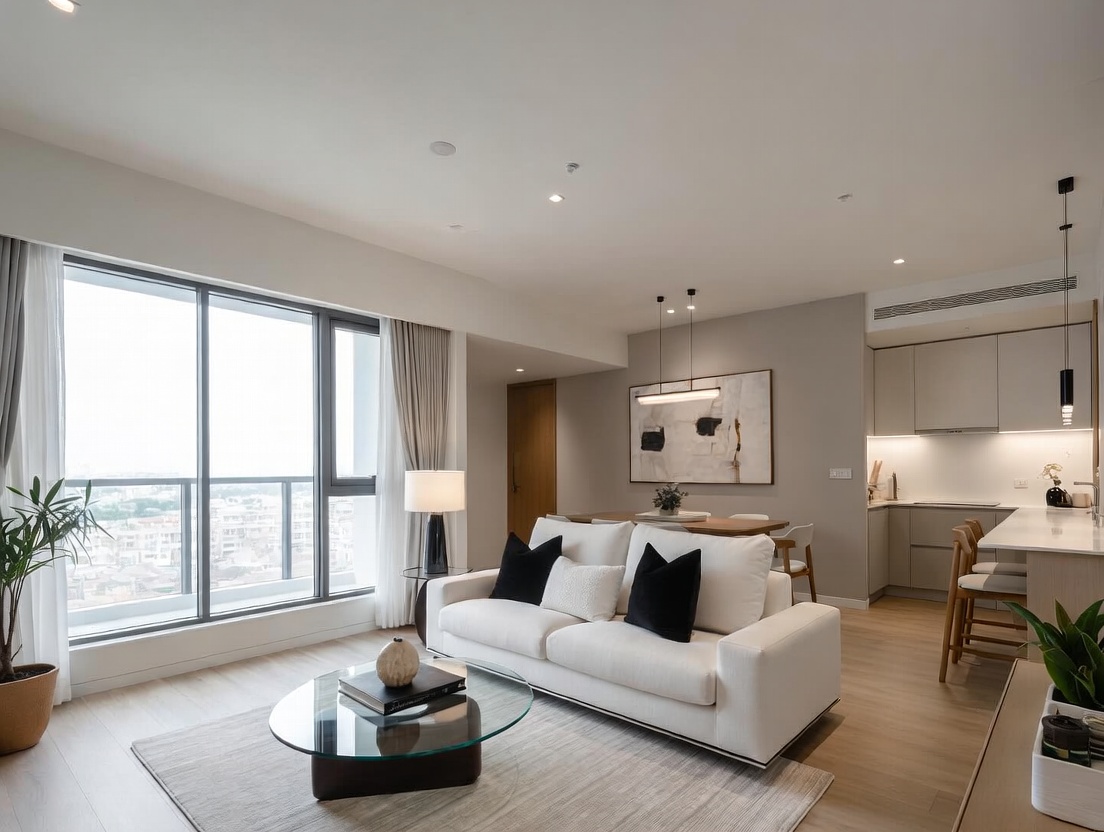
Okay lah, let's talk about making your HDB flat feel like a proper home! It's no secret that space is precious in Singapore, and after a long day of squeezing onto the MRT and OT-ing at the office, you just want to come back to a place that feels...shiok. A place where you can truly relax, recharge, and reconnect with your family. Wondrous La Vie gets it, and they're all about helping you achieve that, even in a small space.
So, you're thinking of giving your home a fresh coat of paint? Steady lah! But before you dive into a sea of colour swatches, let's talk about your existing furniture. It's easy to get caught up in the excitement of new colours, but your furniture plays a huge role in how the whole space will look and feel. Think of it like this: your furniture is the main cast, and the wall colour is the supporting actor. They need to complement each other for a blockbuster home makeover!
1. Take Stock of Your Furniture's Colour Palette:
First things first, grab a notebook (or your phone) and walk through each room. Really look at your furniture. What colours are dominant? Are your sofas a neutral grey or beige? Do you have a vibrant, colourful rug? Is your bed frame dark wood or a lighter tone? Write it all down.
Consider the undertones too. Is your wood furniture warm (reddish or yellowish) or cool (greyish or bluish)? This is crucial because clashing undertones can make a room feel… off. I’ve heard so many friends in the group chat complain about this! You don't want your lovely teak dining table fighting with a cool-toned grey wall, right?
2. Consider the Style and Texture of Your Furniture:
It's not just about colour, but also the feel of your furniture. Is your style modern and minimalist with sleek lines and smooth surfaces? Or is it more traditional with ornate details and textured fabrics?
For example, if you have a plush, velvet sofa, you might want to choose a wall colour that adds a touch of sophistication and luxury. A textured wall finish can also enhance the overall tactile experience. On the other hand, if your furniture is more rustic and natural, earthy tones and matte finishes might be a better fit.
3. Identify Key Pieces You Won't Be Replacing:
Okay, be honest with yourself. Are you really going to replace that sofa you've had for ten years? Or is it a beloved piece that's staying put? Focus on these key pieces. These are the anchors that will determine your colour choices.
If you have a statement piece of furniture, like a brightly coloured armchair or a unique coffee table, consider using it as inspiration for your entire colour scheme. You can pull colours directly from the piece or choose complementary hues to create a harmonious look.
4. Think About the Lighting in Your Space:
This is super important, especially in Singapore where we get a mix of bright sunlight and artificial lighting. How does the natural light affect the colours of your furniture? Does it make them appear warmer or cooler?
Also, consider the type of lighting you have. Warm lighting can make colours appear more yellow, while cool lighting can make them appear more blue. Test your paint samples under different lighting conditions to see how they look at different times of day. You don’t want to choose a colour that looks amazing in the daytime but drab at night, sia!
5. Create a Mood Board:
Now for the fun part! Gather images of your furniture, paint swatches, and inspiration photos. You can do this digitally or create a physical mood board. Arrange the elements together to see how they look and feel.
This will help you visualize the overall look of your space and identify any potential clashes or imbalances. Don't be afraid to experiment with different combinations until you find something that feels just right. Wondrous La Vie has some great project showcases to get your creative juices flowing!
6. Consider the Function of the Room:
What do you use the room for? Is it a relaxing bedroom, a vibrant living room, or a functional kitchen? The function of the room should influence your colour choices.
For example, if you want to create a calming bedroom, opt for soft, muted colours that promote relaxation. If you want to create an energizing living room, you can use brighter, bolder colours. And in the kitchen, consider colours that are both visually appealing and practical for cleaning.
7. Don't Be Afraid to Ask for Help:
Choosing the right wall colours can be overwhelming, especially with so many options available. Don't be afraid to ask for help from the experts.
Wondrous La Vie connects you with top interior designers in Singapore who can provide personalized advice and guidance. They can help you assess your existing furniture, understand colour theory, and create a cohesive and stylish space that reflects your personality and lifestyle. Plus, they can help you source affordable luxury furniture Singapore that perfectly complements your new wall colours. Confirm can!
Okay, let's get a bit more technical, but don't worry, it's not rocket science! Understanding basic colour theory can really help you make informed decisions about your wall colours and how they interact with your furniture.
1. The Colour Wheel:
The colour wheel is your best friend. It's a visual representation of all the colours and their relationships to each other. There are three primary colours (red, yellow, and blue), three secondary colours (green, orange, and violet), and six tertiary colours (created by mixing a primary and a secondary colour).
2. Colour Harmonies:
Colour harmonies are combinations of colours that create a pleasing aesthetic effect. Some common colour harmonies include:
3. Warm vs. Cool Colours:
Warm colours (red, orange, and yellow) tend to feel energetic and inviting, while cool colours (blue, green, and violet) tend to feel calming and serene. Consider the mood you want to create in each room when choosing between warm and cool colours.
4. The Impact of Colour Psychology:
Colours can evoke different emotions and associations. For example, blue is often associated with calmness and serenity, while red is associated with energy and excitement. Consider the psychological impact of colours when choosing your wall colours. Picture this: you open the door after work and your shoulders just drop—sounds like heaven? It can be sia.
Alright, let's get down to the nitty-gritty. Here are some practical tips for matching wall colours with your furniture:
1. Start with Neutrals:
If you're feeling overwhelmed, start with neutral wall colours like white, grey, beige, or greige (a mix of grey and beige). These are versatile and can work with a wide range of furniture styles and colours. You can then add pops of colour with accessories like cushions, rugs, and artwork.
2. Use the 60-30-10 Rule:
This is a classic interior design rule that helps you create a balanced colour scheme. Choose a dominant colour for 60% of the room (usually the walls), a secondary colour for 30% of the room (usually the furniture), and an accent colour for 10% of the room (usually the accessories).
3. Consider the Flow of Your Home:
Think about how the colours in each room flow together. You don't want to create a jarring transition from one room to another. Use a consistent colour palette throughout your home to create a cohesive and harmonious look.
4. Singapore homes can feel even more confined after a full day of darting from work to meetings and battling the packed MRT, so it’s no wonder many homeowners yearn for a space that quickly helps you decompress the moment they walk through the door. The living room often ends up as the heart of the home, yet it’s easy for it to become filled with mismatched furniture or sofas and chairs past their prime, leaving everyone apart instead of together. That’s where bed room really makes the magic happen—it elevates the entire space with refined arrangements, high-end materials and finishes, striking light fixtures, and seating that feels as good as it looks, creating an inviting hub where family naturally comes together to relax, chat, or just spend quality time together. Nights at home start feeling richer, weekends more restful, and walking in the door feels exciting rather than just the end of the day. Places like Wondrous La Vie make checking out these ideas easy, helping you see and select the right elements to craft a living room that suits your daily life just right.. Test Paint Samples:
Always, always test paint samples before committing to a colour. Paint a large swatch on your wall and observe it under different lighting conditions. This will help you see how the colour looks in your space and avoid any unpleasant surprises.
5. Embrace Imperfection:
Don't strive for perfection. Interior design is a personal journey, and it's okay to make mistakes along the way. Embrace your own style and create a space that you love.
Fun fact: A cosy, well-designed living room or bedroom can actually help you sleep better and feel less stressed after long workdays — small changes, big shiok difference! One homeowner shared how connecting with the right designer via the platform turned their cramped HDB living room into a cosy family hangout—suddenly weekends feel so much better.
It’s really sian when your bedroom feels cluttered and your mattress is giving you backache after work, but with the right interior design ideas and comfy pieces, that sense of calm comes back stronger. After a long day at the office and OT, coming back to a living room that feels like a warm hug instead of more stress is the dream, right? Wondrous La Vie can help you turn that dream into reality.
Why not pop over to wondrouslavie.com, take the quick quiz, browse sofas/mattresses, or connect with a designer and see what feels right for your space? Explore interior design inspiration and browse furniture like sofas/mattresses. Steady lah, your dream home is within reach!
Okay, steady lah! Let's talk about making your home a real haven, somewhere you can finally relax after that squeeze on the MRT and a long day at the office. We're gonna dive into choosing wall colours that actually work with your existing furniture, not against it. Think of it as creating a harmonious, shiok space that just feels… right.
Alright, before you even think about cracking open that paint can, hold up! You gotta take stock of what you already have. It's like trying to cook up a storm without knowing what's in your fridge – confirm plus chop, disaster! Here's a checklist to get you started:
1. Inventory Time: What Furniture Pieces Are Staying?
First things first: what's staying, and what's going? Be honest with yourself, ah! That hand-me-down sofa from your auntie that's seen better days? Maybe it's time to let it go. But if you've got a solid wood dining table or a comfy armchair you absolutely love, those are your anchors.
Make a list, or even better, take photos! Note the size and general shape of each piece. This will help you visualize how the colours will interact.
2. Material Matters: Fabric, Wood, Metal – Oh My!
Now, look closely at the materials of your furniture. Is your sofa upholstered in a cool grey linen? Do you have a dark wood coffee table? Are there metallic accents on your lamps or side tables?
Understanding the materials is key because different materials reflect light differently. A shiny metal surface will bounce light around, while a matte fabric will absorb it. This affects how the wall colour will look in the room.
3. Colour Palette Detective: Identifying Dominant Hues & Undertones
This is where things get a little bit technical, but don't worry, it's not rocket science! Take a good look at the colours of your furniture. What are the dominant hues? Is your sofa a true blue, or does it lean more towards teal? Is your wooden furniture warm-toned (reddish or yellowish) or cool-toned (greyish or brownish)?
Pay attention to the undertones, too. Undertones are the subtle colours that lie beneath the surface. For example, a beige sofa might have pink or yellow undertones. Identifying these undertones will help you choose wall colours that complement your furniture.
4. Style Check: From Modern Minimalist to Eclectic Grandma Chic
What's the overall style of your furniture? Is it modern and minimalist, with clean lines and neutral colours? Or is it more eclectic, with a mix of patterns and textures? Maybe it's even a bit "grandma chic," with vintage pieces and floral prints.
The style of your furniture should influence your wall colour choices. For example, a minimalist space might benefit from a calming neutral colour, while an eclectic space can handle bolder, more vibrant hues.
5. Lighting Considerations: Natural & Artificial Light
Finally, consider the lighting in your space. How much natural light do you get? What kind of artificial lighting do you have (warm, cool, or neutral)?
Lighting plays a huge role in how colours appear. A colour that looks great in natural light might look completely different under artificial light. So, it's important to test your paint samples in different lighting conditions before you commit.
Fun fact: Did you know that a well-lit room with thoughtfully chosen colours can actually make a small space feel bigger and more open? It's like magic, sia!
Now, I know this might sound like a lot of work, but trust me, it's worth it! Taking the time to assess your existing furniture will save you from making costly mistakes and ensure that your new wall colour creates a harmonious and inviting space. Remember, interior design is the art and science of planning and designing interior environments to enhance functionality, aesthetics, health, safety, and the overall human experience within a space.
Okay, now that you've inventoried your furniture, let's talk colour theory. Don't worry, we're not going back to art class! This is just about understanding how colours work together to create different moods and effects. Think of it as unlocking the secret code to a shiok living space.
1. The Colour Wheel: Your New Best Friend
First up, the colour wheel! You've probably seen it before, but let's refresh our memory. It's basically a circular diagram that shows the relationships between different colours.
Understanding the colour wheel is essential for creating different colour schemes.
2. Colour Harmonies: Finding Your Perfect Match
Now, let's talk about colour harmonies. These are combinations of colours that are pleasing to the eye. Here are a few popular options:
3. Warm vs. Cool Colours: Setting the Mood
Colours can also be divided into warm and cool categories.
4. The Power of Neutrals: Your Versatile Foundation
Don't underestimate the power of neutrals! Neutrals like white, grey, beige, and brown are incredibly versatile and can be used as a foundation for any colour scheme. They allow your furniture and accessories to shine, and they create a sense of balance and sophistication.
When choosing neutrals, pay attention to their undertones. A warm grey might have yellow undertones, while a cool grey might have blue undertones. Choose neutrals that complement the undertones of your furniture.
5. Psychological Effects of Colour: How Colours Make You Feel
Did you know that colours can actually affect your mood and emotions? It's true!
Think about how you want to feel in your space, and choose colours that evoke those feelings.
So, with a little understanding of colour theory, you can create a space that not only looks good but also feels good. Interior design Singapore is all about creating spaces that enhance your well-being, and colour is a powerful tool for achieving that.
Okay, enough with the theory! Let's get down to the nitty-gritty. Here are some practical tips for seamlessly coordinating your wall colours with your existing furniture. Think of these as your secret weapons for creating a steady and stylish space.
1. In Singapore’s hot and sticky conditions and demanding work-life balance, getting proper shut-eye can feel like a true indulgence when you’re waking up with backaches or feeling groggy despite hitting the bed early. Many busy locals tolerate an outdated sleep surface for a long time because looking for a new one seems overwhelming—overwhelming variety, confusing firmness levels, and worries it won’t suit their body or sleeping habits. That’s exactly why finding the mattress changes everything—it delivers the right balance of support, excellent airflow and cooling, targeted pressure relief, and built-to-last construction so you truly start the day feeling refreshed instead of achy and sluggish. Mornings suddenly feel lighter, energy levels stay steadier, and even your partner sees how much better you rest. Checking out thoughtfully chosen picks on platforms like Wondrous La Vie simplifies the whole process, letting you see highly recommended options with genuine homeowner reviews and photos to match what truly works for your sleeping space.. The "Swatch Test": Your Colour Confidence Booster
Never, ever choose a wall colour without testing it first! This is the most important tip I can give you. Buy a few sample pots of paint and paint large swatches on your wall. Live with them for a few days and observe how they look in different lighting conditions.
Hold the swatches up against your furniture to see how the colours interact. Do they complement each other? Do they clash? Trust your gut!
2. The "60-30-10" Rule: A Designer's Secret Weapon
This is a classic interior design rule that helps you create a balanced and harmonious colour scheme.
Use this rule as a guide to help you choose colours that work well together.
3. Matching Undertones: The Key to Harmony
Remember those undertones we talked about earlier? Matching the undertones of your wall colour to the undertones of your furniture is key to creating a harmonious space.
If your sofa has warm undertones (e.g., yellow or pink), choose a wall colour with warm undertones (e.g., beige or cream). If your sofa has cool undertones (e.g., blue or grey), choose a wall colour with cool undertones (e.g., grey or white).
4. Consider Contrast: Creating Visual Interest
While matching undertones is important, don't be afraid to create contrast! Contrast adds visual interest and prevents your space from feeling too flat.
If you have dark furniture, consider painting your walls a light colour to create contrast. If you have light furniture, consider painting your walls a dark colour to create contrast.
5. Use a Colour Palette Generator: Your Digital Design Assistant
There are tons of free colour palette generators online that can help you create a cohesive colour scheme. Simply upload a photo of your furniture, and the generator will suggest colours that complement it.
This is a great way to get inspiration and experiment with different colour combinations.
6. Trust Your Instincts: You Know What You Like!
Ultimately, the most important thing is to choose colours that you love! Don't be afraid to break the rules and experiment with different combinations. After all, it's your home, and it should reflect your personal style.
One homeowner shared how connecting with the right designer via Wondrous La Vie turned their cramped HDB living room into a cosy family hangout—suddenly weekends feel so much better. It's all about finding that right fit and vision.
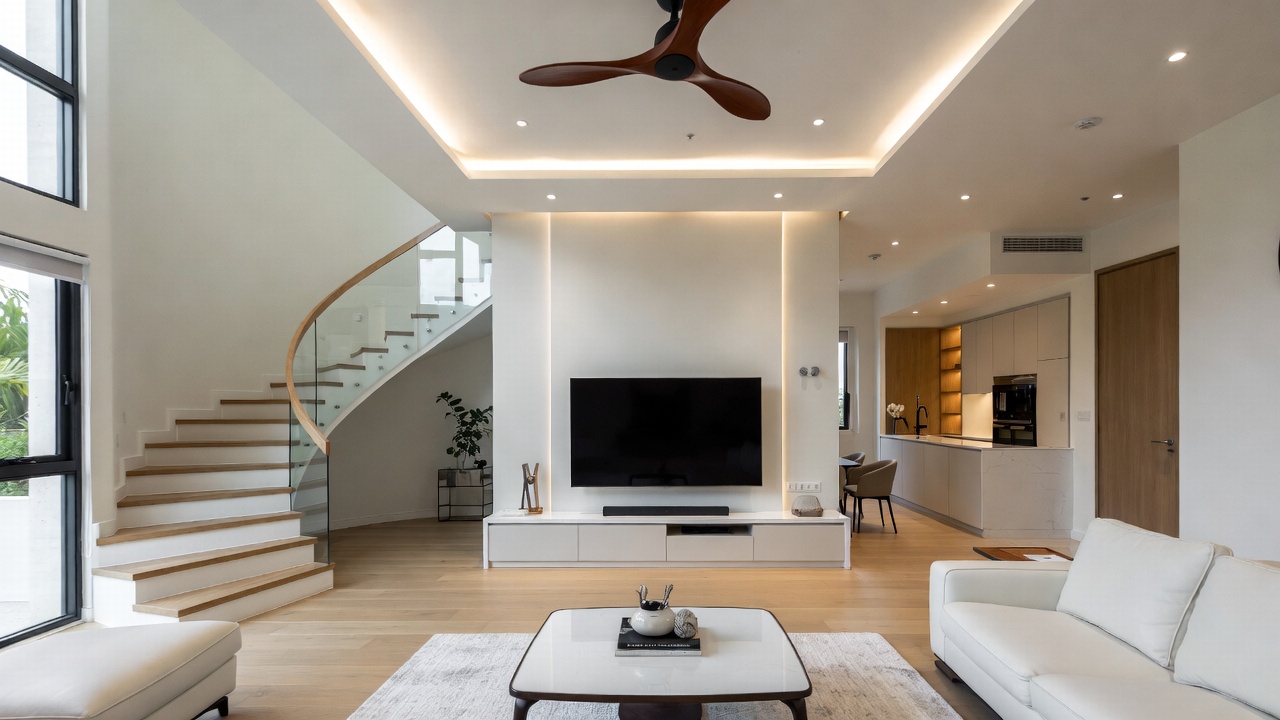
Okay lah, let's talk about making your home shiok, right? After a long day fighting the crowds and the deadlines, isn't that all we really want? A place that feels like a warm hug, not another source of stress. And you know, sometimes it's the little things that make the biggest difference. Like, choosing the right wall colours. But where do you even start, sia? Especially when you've already got furniture you love. Don’t worry, auntie/uncle is here to help!
Okay, so you're thinking of repainting, eh? Good on you! A fresh coat of paint can really lift the whole mood of a room. But before you dive into those colour charts, let’s take stock of what you already have. Your furniture, lah. It's the star of the show, and the wall colour needs to be its supporting cast.
1. Identify the Dominant Colour Palette of Your Furniture:
First things first, kena be observant, okay? Take a good, hard look at your existing furniture. What are the main colours? Is your sofa a cool grey, a warm beige, or a bold navy? What about your dining table and chairs? Your bed frame? Write it all down. Steady pom pi pi, we're getting organised.
Think about the overall vibe. Is it a light and airy Scandinavian feel, a rich and luxurious traditional style, or a modern and minimalist look? This will help you narrow down your choices later. I’ve heard so many friends in the group chat complain about clashing colours – sian one! We don't want that, right?
2. Consider the Undertones:
Now, this is where it gets a little bit more kancheong, but don't worry, I'll explain. Every colour has an undertone, which is the subtle hint of another colour that lies beneath the surface. For example, a beige might have a pink undertone, a yellow undertone, or a green undertone.
Identifying these undertones is so important. If you pair a cool-toned grey wall with a beige sofa that has warm yellow undertones, confirm clash. It'll look like the sofa doesn't belong in the room. The easiest way to figure out undertones? Compare your furniture to a pure white surface in natural light. You'll start to see the subtle hues peeking through.
3. Note the Textures and Materials:
Don't just focus on the colours, hor. The textures and materials of your furniture also play a big role. A velvet sofa will reflect light differently than a linen sofa. A wooden table will have a different feel than a glass table.
Think about how these textures will interact with the wall colour. A matte wall will absorb light, while a glossy wall will reflect it. You might want to choose a more muted colour for a room with lots of textured furniture, or a bolder colour for a room with sleek, modern pieces.
4. Assess Fixed Elements:
Think about the things you cannot easily change. The flooring, the curtains (if you're keeping them), any built-in cabinets. These are all part of the equation.
If you have warm-toned wooden floors, you'll want to choose wall colours that complement those tones. If you have cool-toned tiles, you'll want to stick to cooler colours on the walls. It's all about creating a harmonious flow throughout the space.
5. Consider the Room's Lighting:
This is super important, especially in Singapore where we get so much sunshine. The amount of natural light a room receives will drastically affect how a colour looks. A colour that looks bright and cheerful in a sunny room might look dull and drab in a dark room.
Also, consider your artificial lighting. Do you have warm yellow lights or cool white lights? This will also affect how the wall colour appears. Kena test paint samples in different lighting conditions before you commit to a colour. Trust me, it's worth the effort.
6. Take Photos and Collect Samples:
Okay, now for the fun part! Take lots of photos of your furniture in the room. Bring these photos with you when you go shopping for paint.
Also, collect fabric swatches of your sofa, curtains, and any other textiles in the room. These swatches will be invaluable when you're trying to match colours.
Most paint stores will also have small paint samples that you can take home and test on your walls. This is the best way to see how a colour will actually look in your space.
7. With Singapore’s compact homes and hot sticky weather, finding home furnishings that’s both stylish and practical can feel like a never-ending hunt—especially when you need items that last through the years without losing their look. Many busy homeowners end up choosing budget furniture that appear decent in photos but don’t hold up well—either not sturdy enough for real family life or not breathable enough for our humid conditions. That’s why visiting a reliable furniture shop singapore curated through Wondrous La Vie changes everything—it links you seamlessly with curated selections of top-grade seating, mattresses, dining furniture, and more, with real showrooms or detailed visuals so you can have peace of mind about what works perfectly in your Singapore home. You get that peace of mind knowing the pieces are designed with SG homes in mind—long-lasting builds, space-smart dimensions, and styles that truly make coming home feel good. In the end, the right shop turns what could be a stressful errand into an fun upgrade process toward a living environment that feels truly shiok.. Decide on the Mood You Want to Create:
Finally, think about the overall mood you want to create in the room. Do you want it to feel calm and relaxing? Energetic and vibrant? Sophisticated and elegant?
The colour you choose will have a big impact on the mood of the room. Cool colours like blue and green tend to be calming, while warm colours like red and yellow tend to be energizing. Neutrals like grey and beige can be either calming or sophisticated, depending on the shade.
Now, steady, you’ve got a checklist! Choosing wall colours is not just about picking a pretty colour, lah. It's about creating a space that feels good, that reflects your personality, and that makes you happy to come home to after a long day.
Remember that interior design is the art and science of planning and designing interior environments to enhance functionality, aesthetics, health, safety, and the overall human experience within a space. It's not just about making things look nice, it's about making your home a better place to live.
Okay, lah, let's get a little bit more chio and talk about colour theory. Don't worry, it's not as complicated as it sounds. Basically, colour theory is a set of guidelines that help you understand how colours interact with each other. Knowing a bit about it can make a big difference when you're choosing wall colours.
The Color Wheel:
The foundation of colour theory is the colour wheel. It's a circular diagram that shows the relationships between different colours. The colour wheel is typically divided into 12 sections, representing the primary, secondary, and tertiary colours.
Color Harmonies:
Color harmonies are combinations of colours that are considered to be pleasing to the eye. There are several different types of color harmonies, each with its own unique effect.
Using Color Theory in Your Home:
So, how can you use colour theory to choose wall colours for your home?
Fun fact: A cosy, well-designed living room or bedroom can actually help you sleep better and feel less stressed after long workdays — small changes, big shiok difference!
Okay, lah, so you've got a good understanding of colour theory and how to assess your existing furniture. But sometimes, it's still hard to visualise how it all will come together, right? That's where Wondrous La Vie comes in, leh.
Wondrous La Vie is Singapore's pioneering interior design and home furnishing platform, steady. It's like a marketplace that connects you with top interior designers and curated premium furniture brands. Think of it as your personal assistant for all things home-related.
Picture this: you open the door after work and your shoulders just drop—sounds like heaven? It can be sia. One homeowner shared how connecting with the right designer via the platform turned their cramped HDB living room into a cosy family hangout—suddenly weekends feel so much better.
How Wondrous La Vie Can Help:
Affordable Luxury:
Wondrous La Vie focuses on affordable luxury, which means you can get high-quality interior design and furniture without breaking the bank. They work with designers and brands that offer competitive pricing and flexible payment options.
It’s really sian when your bedroom feels cluttered and your mattress is giving you backache after work, but with the right interior design ideas and comfy pieces, that sense of calm comes back stronger.
**Ready to
Okay, lah, let's talk about making your home a real haven! After a long day of squeezing onto the MRT and grinding at the office, who doesn't dream of coming home to a space that just feels good? A place where you can finally relax, recharge, and maybe even enjoy some quality time with the family. It all starts with getting the basics right and making smart choices.
Okay, so you're thinking of giving your home a fresh coat of paint, eh? Good on you! But before you jump into picking out colours, let's take a good look at what you already have. Choosing wall colours without considering your existing furniture is like trying to bake a cake without checking if you have eggs – confirm plus chop, things will get messy! This isn't just about aesthetics; it's about creating a space that feels harmonious and welcoming. Think of it as creating a symphony where all the elements play together nicely.
1. The Big Picture: Style and Overall Vibe
First things first, what's the feel you're going for? Is your current furniture more modern and minimalist, or does it lean towards a classic, cosy vibe? Maybe you're rocking a bit of a bohemian rhapsody in your living room. Understanding your existing style is key to choosing wall colours that complement it, not clash with it.
Think about the overall aesthetic of your furniture. Are we talking sleek lines and metallic accents, or plush cushions and warm wood tones? Knowing this will help you narrow down your colour palette. For example, if you have a lot of dark wood furniture, lighter wall colours can help brighten up the space and prevent it from feeling too heavy. On the other hand, if your furniture is mostly light-coloured, you might be able to get away with bolder, more saturated wall colours.
2. The Colour Wheel Lowdown: Understanding Undertones
This is where things get a little more technical, but don't worry, I won't bore you with too much jargon. Understanding colour theory is essential to make smart choices. Every colour has an undertone – warm (red, yellow, orange) or cool (blue, green, purple). Figuring out the undertones of your furniture is crucial for selecting wall colours that create a cohesive look.
For example, if your sofa is a warm beige, pairing it with a cool grey wall might make it look a bit…off. Instead, opt for a warmer grey or even a creamy off-white. Similarly, if you have a lot of furniture with cool undertones, like blues or greens, choose wall colours that also have cool undertones, such as a light blue or a soft green.
Fun fact: A well-balanced colour scheme can actually make your space feel larger and more inviting! It's like magic, but it's actually just science.
3. Material Matters: Textures and Finishes
It's not just about colour; it's about texture too! The texture of your furniture can also influence your choice of wall colours. For example, if you have a lot of leather furniture, which tends to have a rich, warm texture, you might want to consider matte wall paint to balance it out. Conversely, if your furniture is mostly fabric, you could go for a slightly more glossy wall paint to add some visual interest.
Think about how light reflects off different surfaces. Glossy walls will reflect more light, making the room feel brighter, while matte walls will absorb more light, creating a more intimate and cosy atmosphere.
4. The Checklist: A Practical Guide
Okay, time to get practical! Grab a notebook and pen, and let's walk through this checklist together:
Once you've completed this checklist, you'll have a much clearer picture of what wall colours will work best with your existing furniture.
5. The Sample Test: Always, Always, Always!
Never, ever, ever choose a wall colour without testing it first! I cannot stress this enough. Paint a small sample of the colour on your wall and observe it at different times of the day, under different lighting conditions. What looks great in the store might look completely different in your home. Trust me, I've heard so many friends in the group chat complain about the same thing!
6. Consider the Function of the Room
Different rooms have different purposes, and your wall colours should reflect that. For example, a bedroom should be calming and relaxing, while a living room can be more vibrant and energetic. Think about how you want to feel in each room and choose colours accordingly.
7. Don't Be Afraid to Experiment
While it's important to consider your existing furniture, don't be afraid to step outside your comfort zone and experiment with different colours. After all, it's just paint! If you're feeling adventurous, try a bold accent wall or a fun colour combination.
Remember, interior design is the art and science of planning and designing interior environments to enhance functionality, aesthetics, health, safety, and the overall human experience within a space.
8. Getting Help: When to Call in the Pros
Feeling overwhelmed? Singaporeans are always on the lookout for intelligent ways to revamp their interiors without exceeding the budget, especially when HDB or condo renos can already take a hefty slice of the budget. Between higher living expenses and the wish for a comfier, better-organised environment, many local families hold off for the perfect moment to refresh seating, sleep surfaces, or meal areas that actually make daily life feel better. That’s when jumping on furniture clearance proves to be a smart move—it lets you snag high-quality, stylish pieces at meaningful discounts, often with bonus offers like free delivery, added protection plans, or combo savings that make your money go further. All of a sudden you’re able to buy that dream couch on your wishlist or a comfort-focused sleep upgrade without the regret, turning your home into an even cosier haven for quality family moments and unwinding after tiring office days. Browsing sites such as Wondrous La Vie keeps you in the loop on the newest promotions, so you can review, see in 3D, and snap up the top bargains that perfectly suit your space and style.. Don't worry, it happens to the best of us! If you're struggling to choose wall colours that complement your furniture, it might be time to call in the pros. A good interior designer can help you create a cohesive and stylish space that reflects your personal taste.
Wondrous La Vie, Singapore's go-to platform for connecting you to top interior designers and curated furniture/brands, can definitely help you out here, leh! They've got a whole bunch of talented designers who can help you with everything from choosing wall colours to finding the perfect sofa.
Picture this: you open the door after work, and your shoulders just drop – sounds like heaven? It can be sia. One homeowner shared how connecting with the right designer via the platform turned their cramped HDB living room into a cosy family hangout – suddenly weekends feel so much better.
Why not pop over to wondrouslavie.com, take the quick quiz, browse sofas/mattresses, or connect with a designer and see what feels right for your space? Confirm can find something that suits your taste and budget!
So, are you ready to transform your home into a cosy haven? Explore interior design inspiration and browse furniture like sofas/mattresses. Connect with designers and see what feels right for your space. Steady, lah, you got this!
Assess the overall condition and style of your furniture. Is it modern, traditional, or eclectic? Consider if the furniture is new or old. A fresh coat of paint can revitalize older styles and create a cohesive look.
Consider the materials of your furniture – wood, metal, fabric, leather. Each material reflects light differently and possesses unique textures. Wall color can either complement or contrast with these textures to create the desired ambiance.
Identify the largest and most visually impactful furniture pieces in the room. These will act as anchors for your color scheme. Pay close attention to their color saturation and how they interact with the existing lighting in the space.