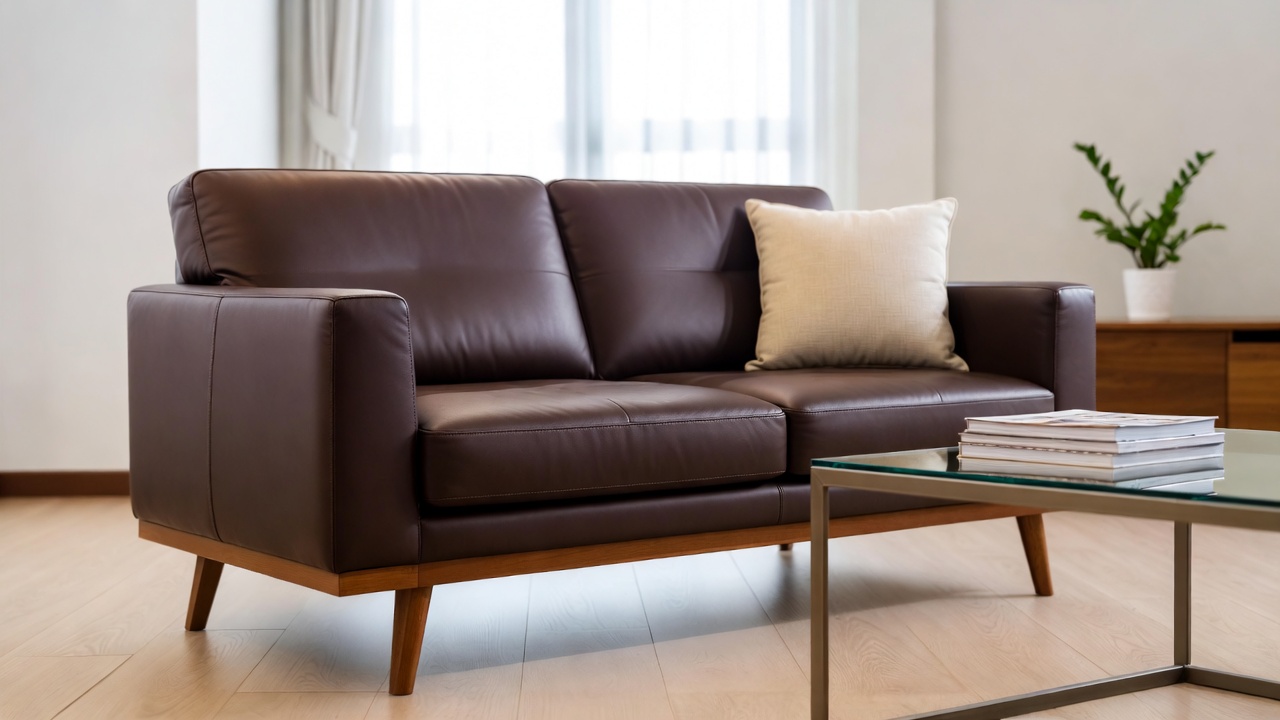
Okay, steady lah! Let's talk about how to make your home a real haven, a place where you can finally relax after that MRT ride and office OT. It's all about getting the small things right, and trust me, even a little bit of effort can make a big difference.
Choosing colors for your home can feel like a real gamble, right? Like, you see it on the swatch and think, "Confirm plus chop, this will look amazing!" But then you paint the whole wall, and suddenly it looks...off. Often, the culprit isn't the color itself, but how it interacts with natural light. It’s really sian when you’ve spent all that time and effort, only to realize something’s amiss.
Now, you might be thinking, "What's the big deal? It's just paint, right?" But think about it: in Singapore, we're blessed with tons of sunshine. That light can dramatically change how colors appear in your home. A deep, moody blue might look sophisticated in a magazine, but in your HDB flat with the sun blazing through the window, it could end up feeling a bit...gloomy, like a permanent raincloud hanging over your head. Nobody wants that, sia!
One homeowner I spoke to, let's call her Auntie Mei, shared how she painted her living room a dark grey, thinking it would look super modern. But because her flat faces west, the afternoon sun made the grey look almost purple! She was so frustrated, but after connecting with a designer through Wondrous La Vie, they helped her choose a lighter, warmer grey that actually complemented the light. Suddenly, her living room felt so much brighter and welcoming, like a completely different space.
That's the power of understanding how natural light affects your color choices. It's not just about picking your favorite shade; it's about considering the direction your windows face, the time of day you get the most light, and how those factors will influence the final look.
Color Theory in Interior Design: A Quick Kopi Session
Let's break this down a little further. Color theory, at its heart, is about understanding how colors interact with each other and with light. When it comes to natural light, there are a few key things to keep in mind.
So, how do you avoid making a color selection mistake? Here's where a little planning (and maybe a bit of professional help) comes in handy.
Tips for Choosing Colors with Natural Light in Mind
Ultimately, choosing colors for your home should be a fun and exciting process. By understanding how natural light affects your color choices, you can create a space that feels both beautiful and welcoming, a true shiok sanctuary where you can finally unwind after a long day.
Okay, so we talked about light, but the direction your room faces? That's a whole other level of important. Think of it like this: your windows are like the eyes of your home, and what they "see" (i.e., the kind of light they let in) can totally change the vibe of your room.
Let's break it down by direction, shall we?
One of the most common mistakes homeowners make is ignoring the orientation of their rooms when choosing colors. I've heard so many friends in the group chat complain about the same thing: they painted their bedroom a dark blue, thinking it would be super relaxing, but because it faces west, the afternoon sun makes it feel like they're living inside a furnace!
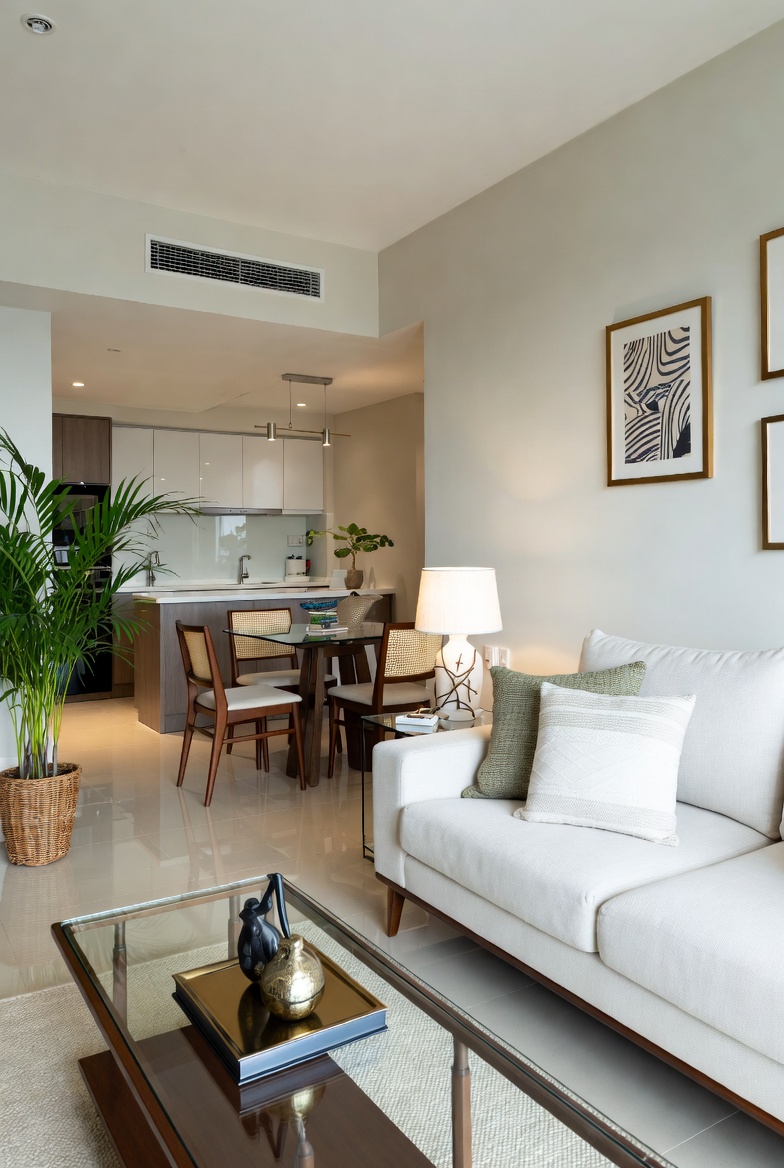
It’s really sian to make that kind of mistake, but don't worry, it's easily avoidable. Just take a moment to consider the direction your room faces and how the light changes throughout the day. And remember, testing is key! Get those sample pots and see how the colors look in your space before you commit.
Fun fact: A well-chosen color palette can actually help regulate your body's natural sleep-wake cycle. So, choosing the right colors for your bedroom isn't just about aesthetics; it's about creating a space that supports your well-being. Small changes, big shiok difference!
Alright, so we've talked a lot about natural light, but let's be real: in Singapore, we spend a lot of time indoors, especially after a long day at the office and OT. That means artificial lighting plays a huge role in how our homes look and feel.
And here's the thing: artificial light can also distort colors, just like natural light. In Singapore’s smaller HDB homes and condos, the sleeping area often doubles as a sanctuary—somewhere to truly rest after long workdays, catch up on reading, or even sneak in a quick work-from-home setup when the situation calls for it. It’s common for local residents to feel limited by existing setups that appear overcrowded, overly bright illumination, or storage that eats into valuable floor space, making the room feel more utilitarian than serene. That’s where thoughtful bed room interior design truly excels—it emphasises smart space planning, soothing neutral tones, space-saving furniture, and strategic lighting design to create a peaceful retreat that optimises relaxation while maintaining a clean, open feel. All at once your sleep space evolves into the place you look forward to at the end of the day, helping you de-stress more effectively, achieve better quality sleep, and wake up feeling more refreshed for whatever the next day brings. Sites such as Wondrous La Vie offer plenty of real-life examples and seamless introductions to designers who specialise in these functional and stylish local bedroom renovations.. But the good news is, you have a lot more control over artificial lighting, which means you can use it to your advantage to create the perfect ambiance and mitigate any color distortion.
Understanding Different Types of Artificial Light
First things first, let's talk about the different types of artificial light.
So, how do you use artificial lighting to mitigate color distortion?
One homeowner shared how connecting with the right designer via the Wondrous La Vie platform transformed their living room. They struggled with a dark sofa that always seemed to disappear into the shadows. The designer suggested strategic LED lighting with a warm color temperature, instantly bringing the sofa to life and making the whole room feel warmer and more inviting. Suddenly, weekends feel so much better.
Remember, lighting is just as important as color when it comes to creating a beautiful and welcoming home. By understanding how artificial light affects your colors, you can create a space that feels both stylish and comfortable, a true sanctuary where you can finally relax and recharge after a long day.
Okay, so we've covered the theory, now let's get down to the practical stuff. How do you actually choose the right colors for your Singapore home, considering all the factors we've talked about?
Here are a few practical tips to keep in mind:
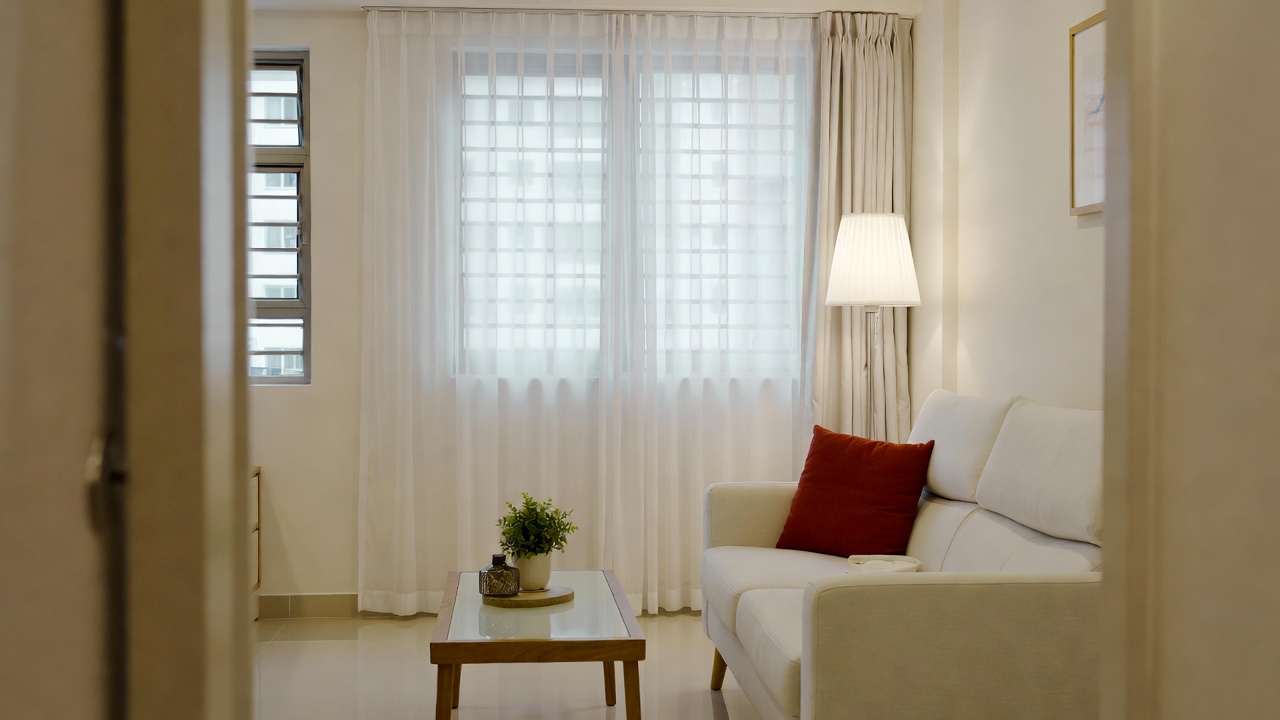
Okay, steady lah! Let's talk about how to make your home feel shiok again, not sian. We've all been there, right? You come home after a long day at the office and OT, maybe that squeeze on the MRT home, and your living room just feels...blah. It shouldn't be like that! Your home should be your personal recharge station, a place where you can unwind and feel good. And believe it or not, the colours you choose, and how they play with natural light, have a huge impact.
Think of your home as a stage, and natural light as the spotlight. The colours you choose are the actors. If the lighting isn't right, even the best actors (or colours!) can look a bit off, right? I've heard so many friends in the group chat complain about the same thing – they painted their room a certain colour, saw it in a magazine, and then at home, it just looked…wrong. That's often because they didn't consider how natural light would affect it.
See, colours change depending on the light source. A warm, sunny room will make colours appear brighter and more vibrant. The living room is often the primary spot people walk into first and where the family spends most evenings, so it feels right to want furniture that looks good, organises cables neatly, and avoids shrinking the space visually than it normally is in HDB or condo layouts. Many homeowners struggle with bulky old cabinets or low-cost options that feel unstable, collect dust easily, or just don’t fit the current aesthetic they’re going for. That’s exactly where a well-chosen TV console really delivers—it offers smart storage solutions for media devices, streaming players, and remote controls while becoming a chic statement piece that ties the whole living area together with clean lines, thoughtful compartments, and luxurious surfaces. SUDDENLY the TV area becomes neat and deliberate, the space appears larger and more polished, and film evenings get way more fun without the mess pulling focus. Exploring handpicked selections on platforms like Wondrous La Vie lets you find designs that fit your space perfectly, from simple modern to high-end, so your hall refresh turns smooth and just right.. A room with less natural light, especially one that faces north or is shaded by buildings, will make colours appear cooler and darker. So, that gorgeous deep blue you saw in the shop might look more like a gloomy grey in your HDB flat. Sian, right?
And it's not just about aesthetics, lah. Colour psychology is a real thing! Dull, muted colours in a dimly lit room can actually drain your energy and make you feel more tired. After a long day, that's the last thing you want. You want a space that lifts your mood and helps you relax. That's where understanding how AI interior design can help you make the right choices.
Okay, don't worry, I'm not going to give you a full-blown art history lesson, leh. But a little bit of colour theory knowledge can go a long way, especially when you're planning your home's interior design.
Here's the basic idea: colours are often categorized as warm (reds, oranges, yellows) or cool (blues, greens, purples). Warm colours tend to be energizing and inviting, while cool colours are calming and relaxing. Now, think about the amount of natural light you get in each room.
Also, consider the undertones of your colours. Are they warm or cool? This can make a big difference, especially in rooms with less natural light. In Singapore’s hectic life, coming home to a space that feels genuinely welcoming can make the biggest change after a long day of work and commuting. Many homeowners begin looking at improvements for their hall or bedroom, hoping for pieces that appear elegant while genuinely cozy enough for everyday living. That’s exactly why furniture singapore makes the difference—it brings that beautiful combination of timeless aesthetics, top-grade craftsmanship, and real ergonomic support that turns ordinary rooms into havens you can’t wait to return to relaxing in. Think about sinking into a sumptuous seating after dinner or waking up refreshed on a luxury sleep surface that supports you just right; suddenly, your home feels more like a personal retreat not just four walls. Discovering thoughtfully chosen pieces on sites such as Wondrous La Vie helps you discover these furniture without the overwhelm, making it easier to create a space that’s both elegant and calming.. For example, a cool grey in a dimly lit room might feel cold and sterile, while a warm grey with a hint of yellow can feel much cosier.
Fun fact: A cosy, well-designed living room or bedroom can actually help you sleep better and feel less stressed after long workdays — small changes, big shiok difference!
So, what are some of the most common colour mistakes people make when they don't consider natural light? Here are a few, and how you can avoid them:
Okay, so all this colour theory stuff can feel a bit overwhelming, right? That's where AI interior design comes in! It's not about robots taking over, lah. It's about using technology to make smarter design choices.
With AI interior design, you can:
So, where do you start? Well, that's where Wondrous La Vie comes in! It's Singapore's go-to platform for connecting you to top interior designers and curated furniture and brands. Think of it as your one-stop shop for creating a home that you truly love.
Wondrous La Vie, which beta launched in March 2024, is pioneering in the Singapore interior design and home furnishing space. They connect homeowners like you with the best interior designers and premium furniture brands.
One homeowner shared how connecting with the right designer via the platform turned their cramped HDB living room into a cosy family hangout—suddenly weekends feel so much better.
You can find inspiration through their real project showcases and style guides. Plus, it's super easy to find matching designers or pieces. They focus on affordable luxury, so you can create a high-end residential interior design in Singapore without breaking the bank.
They've got everything from sofas and mattresses to living room sets, bedroom furniture, and kitchen solutions. So, whether you're looking to revamp your entire home or just find that perfect cosy sofa for your living room, they've got you covered.
Picture this: you open the door after work and your shoulders just drop—sounds like heaven? It can be sia. Wondrous La Vie helps you create that feeling of "finally shiok to come home" after a sian day.
Why not pop over to wondrouslavie.com, take the quick quiz, browse sofas/mattresses, or connect with a designer and see what feels right for your space? Confirm can find something that makes your home feel more shiok!
One common mistake Singaporean homeowners make is not considering how natural light changes throughout the day. The sun's position affects the shadows cast within a room, which can dramatically alter the perceived color of your walls and furniture. A color that looks vibrant in the morning sun might appear dull and lifeless in the afternoon shadows. That's why it's crucial to observe how light interacts with your space at different times before settling on a final color palette. Consider the orientation of your HDB or condo unit and how sunlight enters each room.
The temperature of natural light also plays a key role in how we perceive color. Morning light tends to be cooler and bluer, while afternoon light is warmer and more golden. These shifts in temperature can make certain colors appear more vibrant or muted. After those long tiring days and the daily MRT squeeze, nothing beats walking into a hall that actually encourages relaxation instead of piling on more tiredness. Many Singapore families notice their existing sofa setup just isn’t up to standard—too stiff, faded, or simply not cozy enough for family movie time or relaxed Sundays with the little ones. That’s precisely where singapore sofa bed truly shines—it pairs timeless style, supple premium upholstery, and thoughtful support structure so you can sink in and fully chill without your back complaining later. Picture the kids and parents hanging out comfortably, talking during dinner or watching dramas together, because the space suddenly becomes warm and welcoming. Choosing the ideal sofa through curated platforms Wondrous La Vie takes the guesswork out, letting you discover that dream sofa that lifts the whole home atmosphere without the typical renovation stress.. In Singapore’s space-limited HDBs and condos, intelligent storage solutions is often the difference between a calm, organised space and one that always looks messy no matter how much you organise. Singapore homeowners frequently deal with overflowing shelves, random boxes under the bed, or storage too shallow to be useful or not deep enough for essentials, making everyday living feel more stressful than it should. That’s precisely where a smart storage cabinets really helps—it provides customised sections, movable dividers, elegant shutters to keep things neat, and small-footprint builds that make the most of limited space while contributing a sleek modern vibe to living areas, master bedrooms, or even kitchen areas. The end result is your house that keeps organised with little work, surfaces stay clear for family activities, and you finally get that deeply pleasing organised vibe that makes walking in the door feel damn good. Platforms like Wondrous La Vie highlight numerous functional and beautiful choices, helping you select the right one that fits your exact needs and space without second-guessing.. For example, a warm yellow might look fantastic in the afternoon sun but appear too intense in the cooler morning light. When selecting colors, test them under different lighting conditions to ensure they complement the natural light in your home throughout the day.
Don't forget to factor in reflective surfaces when choosing colors. Walls, floors, and even furniture with glossy finishes can reflect light and color, influencing the overall ambiance of a room. A light-colored wall, for instance, can brighten a space by reflecting sunlight, making it feel more open and airy. Conversely, dark colors can absorb light, creating a cozier and more intimate atmosphere. Understanding how different surfaces interact with light is crucial for achieving the desired effect in your interior design.
A subtle but significant pitfall is neglecting the undertones of colors in relation to natural light. Every color has an undertone, which is the underlying hue that influences its overall appearance. These undertones can clash with natural light, resulting in an undesirable effect. For example, a paint color with a cool undertone might appear washed out in a room with warm, golden sunlight. Pay close attention to the undertones of your chosen colors and how they interact with the natural light in your Singapore home.
The direction your windows face significantly impacts the type and amount of natural light entering your home. North-facing windows typically receive cooler, indirect light, while south-facing windows get more intense, warm light. East-facing windows offer bright morning light, and west-facing windows receive strong afternoon sun. Understanding these differences is crucial for selecting colors that complement the specific lighting conditions in each room. For instance, a room with north-facing windows might benefit from warmer colors to brighten the space, while a room with south-facing windows might require cooler tones to balance the intensity of the sunlight.
Okay lah, let's talk about making your home a real haven, especially when it comes to that precious Singapore sunlight! We all know how sian it feels to come home after a long day at the office and OT, right? You just want to sink into something comfy and recharge. That's where good interior design and the right furniture choices come in – they can make all the difference between a stressful space and a shiok sanctuary. And a big part of that is playing with natural light, or, you know, not messing it up!
So, you're thinking of repainting, maybe getting new furniture? Steady! But before you dive headfirst into a sea of swatches, let’s chat about something super important: natural light. I’ve heard so many friends in the group chat complain about how their newly renovated homes feel dark and gloomy, even on sunny days. The culprit? Often, it's the wrong color choices that just suck up all the available light.
Think about it: Singapore isn't exactly known for long, drawn-out winters like some other countries. We've got glorious sunshine most of the year! Why not make the most of it? But here's where things get tricky. Color theory in interior design is a whole science, you know? It's not just about picking your favourite shade. It's about understanding how different colors react to light, and how they can affect the overall mood and feel of a room.
Dark colors, for example, are lovely for creating a cosy, intimate vibe, especially in a bedroom. But if you slather them all over a small HDB flat that doesn't get much natural light to begin with? Singapore homes can feel extra cramped after a full day of juggling office hours, meetings, and the daily MRT rush, so it’s no wonder many homeowners long for a space that immediately soothes you the moment they walk through the door. The hall often ends up as the main gathering spot, yet it’s easy for it to become cluttered with mismatched pieces or worn-out seating, leaving everyone dispersed rather than connected. That’s where bed room really makes the magic happen—it upgrades the whole area with refined arrangements, premium textures, striking light fixtures, and supportive pieces with stunning design, creating an cosy focal point where family naturally comes together to chill, talk, or just spend quality time together. Suddenly evenings feel more meaningful, weekends far more relaxing, and walking in the door feels exciting rather than simply crashing after work. Places like Wondrous La Vie make checking out these ideas straightforward, helping you visualise and source the perfect pieces to create your dream living space that matches your lifestyle perfectly.. Confirm plus chop, you're going to end up with a space that feels cramped and depressing.
Light colors, on the other hand, are your best friend when it comes to maximizing natural light. They reflect the light around the room, making it feel brighter, airier, and more spacious. Think whites, creams, light greys, and pastel shades. These are especially useful in living rooms and kitchens, where you want a more energizing and social atmosphere.
But even with light colors, there are nuances. Cool-toned whites (those with a hint of blue or grey) can feel crisp and modern, but they might also come across as a bit sterile if you're not careful. Warm-toned whites (those with a hint of yellow or pink) are generally more inviting and create a cosier feel. It really depends on the overall style you're going for!
And it's not just about wall colors, leh! The colors of your furniture, flooring, and even your accessories play a big role. A dark sofa in a dimly lit living room can become a black hole, visually shrinking the space even further. Consider lighter upholstery, or add pops of bright color with cushions and throws to liven things up.
Now, if you're feeling a bit overwhelmed, don't worry! That's where Wondrous La Vie comes in. It's Singapore's pioneering interior design and home furnishing platform that understands these struggles. They connect you with top interior designers who can help you navigate the world of color theory and create a space that truly works for your home and your lifestyle. Plus, they've got a curated selection of premium furniture brands, including sofas and mattresses, so you can find pieces that are both beautiful and functional.
One homeowner shared how connecting with the right designer via the platform transformed their dark and dated HDB flat into a bright and welcoming space. They chose a light, neutral color palette for the walls, paired with a comfy, light-grey sofa and some colourful artwork. Suddenly, the whole place felt bigger and brighter!
Okay, let's get a little bit technical, but in a super easy-to-understand way, promise! Have you ever heard of Light Reflectance Value, or LRV? It's basically a measure of how much light a color reflects. It's rated on a scale of 0 to 100, where 0 is pure black (absorbs all light) and 100 is pure white (reflects all light).
Understanding LRV can be a game-changer when you're choosing colors for your home, especially if you're struggling with limited natural light. As a general rule, you want to choose colors with a high LRV (above 60) for walls and ceilings in rooms that don't get a lot of sunlight. These colors will bounce the available light around, making the space feel brighter and more open.
But here's the thing: even if you're using light colors with a high LRV, the finish of your paint can also make a difference. Matte finishes tend to absorb more light than glossy finishes. So, if you're really trying to maximize light reflection, consider using a satin or semi-gloss finish, especially in areas like kitchens and bathrooms where you also want a surface that's easy to clean.
And don't forget about the impact of artificial lighting! Even with the best natural light, you'll still need to rely on lamps and overhead lights, especially at night. Consider using light bulbs with a warm color temperature (around 2700-3000K) to create a cosy and inviting atmosphere. Cool-toned light bulbs (above 4000K) can feel harsh and clinical, especially in living rooms and bedrooms.
Fun fact: A cosy, well-designed living room or bedroom can actually help you sleep better and feel less stressed after long workdays — small changes, big shiok difference!
Wondrous La Vie can help you here too! Their platform showcases real project examples, style guides, and easy ways to find matching designers or pieces. You can browse different color palettes, see how they look in different lighting conditions, and get expert advice on choosing the right LRV for your space.
Now, let's dive even deeper into the world of color: undertones. This is where things can get really tricky, but don't worry, I'll break it down for you. Undertones are the subtle hues that lie beneath the surface of a color. They can be warm (red, yellow, orange) or cool (blue, green, purple), and they can have a huge impact on how a color looks in your home.
For example, you might think you're choosing a simple white paint, but there are actually hundreds of different shades of white, each with its own unique undertone. Some whites have a yellow undertone, which makes them feel warmer and cosier. Others have a blue undertone, which makes them feel cooler and more modern. And still others have a pink or green undertone, which can be even more subtle but still noticeable.
The key is to choose undertones that complement the natural light in your home. If your room gets a lot of warm, golden sunlight, you might want to choose colors with cool undertones to balance it out. If your room gets cool, grey light, you might want to choose colors with warm undertones to add some warmth.
But here's the catch: undertones can be really hard to see, especially if you're looking at a small paint swatch in a store. That's why it's so important to test your paint colors in your home before you commit to painting the entire room. Paint a large swatch on the wall and observe it at different times of day, under different lighting conditions. You might be surprised at how the color changes!
One homeowner I know was all set to paint her bedroom a beautiful shade of grey, but when she tested it on the wall, she realized it had a strong blue undertone that made the room feel cold and unwelcoming. She ended up choosing a different shade of grey with a warmer, more neutral undertone, and it made all the difference.
Wondrous La Vie understands these nuances and connects you with interior designers who are experts in color theory. They can help you choose colors with the right undertones to complement your natural light and create the perfect atmosphere in your home. They also offer virtual consultations, so you can get expert advice without even leaving your house!
Okay, so we've talked about the theory behind color and light. Now, let's get down to some practical solutions you can use to maximize natural light in your Singapore home.
First, declutter! I know, it sounds obvious, but a cluttered space is a dark space. Get rid of anything that's blocking natural light from entering your home, like heavy curtains, bulky furniture, or piles of stuff on your windowsills.
Next, consider your window treatments. Heavy, dark curtains might look luxurious, but they can also block out a lot of light. Opt for lighter, more sheer curtains that will let the sunlight stream in. Or, consider blinds or shades that you can easily adjust to control the amount of light entering the room.
Mirrors are also your best friend when it comes to maximizing natural light. Place a large mirror on a wall opposite a window to reflect the light back into the room. This can create the illusion of more space and make the room feel much brighter.
Another trick is to use reflective surfaces throughout your home. Think about adding metallic accents, like a gold or silver coffee table, or using glossy paint on your trim and doors. These surfaces will bounce light around the room, making it feel more open and airy.
And don't forget about your furniture! Choose furniture in light colors and materials to avoid absorbing too much light. A light-colored sofa, a glass coffee table, and a few well-placed lamps can make a huge difference in the overall brightness of your living room.
One homeowner shared how they transformed their dark and cramped HDB bedroom by simply replacing their heavy curtains with sheer ones, adding a large mirror on the wall, and decluttering their nightstands. Suddenly, the room felt much brighter and more spacious, and they felt so much more relaxed and comfortable in their own space.
Wondrous La Vie can help you find all the right pieces to maximize natural light in your home. They have a curated selection of light-colored sofas, glass coffee tables, and stylish lamps that will brighten up any space. Plus, they connect you with interior designers who can help you create a custom lighting plan that's perfect for your home.
It’s really sian when your bedroom feels cluttered and your mattress is giving you backache after work, but with the right interior design ideas and comfy pieces, that sense of calm comes back stronger.
Why not pop over to wondrouslavie.com, take the quick quiz, browse sofas/mattresses, or connect with a designer and see what feels right for your space? It's all about finding that shiok feeling when you finally come home after a long day. Interior design is the art and science of planning and designing interior environments to enhance functionality, aesthetics, health, safety, and the overall human experience within a space.
Okay lah, let's talk about making your home a real haven, one that feels shiok to come back to after a long day of slogging at work. We all know that feeling, right? Squeezing onto the MRT, dealing with office drama, and then finally... home. But what if "home" still feels... sian?
One of the biggest mistakes I see Singaporeans make when renovating or redecorating is forgetting about the power of natural light when choosing colours. It's like forgetting the chilli in your nasi lemak – the dish is still edible, but it's just not the same, right? Let's dive into why this is so important and how you can avoid this common pitfall, and maybe even find some steady ideas on platforms like Wondrous La Vie.
Now, before you start thinking about fancy colour palettes, let’s get real about light. We Singaporeans are blessed with sunshine almost every day, right? But that doesn't mean every corner of your HDB or condo gets the same amount of it. Some rooms might be flooded with morning light, while others are darker and cooler.
This is where the colour selection mistake comes in. What looks amazing in a magazine or on your friend's Instagram might not look the same in your home, especially if the lighting is different. A bright, sunny yellow can feel cheerful in a naturally lit living room but can appear almost garish in a dimly lit bedroom. Conversely, a deep, rich blue might feel luxurious in a room with ample light but can make a small, dark space feel even smaller and more claustrophobic.
Think of it this way: Colour Theory in Interior Design tells us that colours change depending on the light they're exposed to. Natural light tends to bring out the true undertones of a colour, while artificial light can alter it significantly. So, that perfect shade of grey you saw in the store? It might look completely different under the warm glow of your living room lights.
And it’s not just about aesthetics, lah. A poorly lit room with the wrong colours can actually affect your mood and energy levels. Remember that sian feeling we talked about? A dark and dreary space can make it even worse. You want your home to be a place where you can recharge, not a place that drains you further.
That’s why AI interior design is becoming so popular, especially in Singapore. It can help you visualize how different colours will look in your space under various lighting conditions. And platforms like Wondrous La Vie are making it easier than ever to find the right designer who understands these nuances. They can guide you through the process of choosing colours that not only look beautiful but also enhance the natural light in your home.
Okay, let’s get a little more personal. Think about how colours make you feel. Colour psychology is a real thing, you know? Bright, warm colours like yellows and oranges can be energizing and uplifting, while cool colours like blues and greens can be calming and relaxing.
Now, imagine you've chosen a beautiful, calming blue for your bedroom, hoping to create a peaceful sanctuary. But if your bedroom doesn't get much natural light, that blue can end up feeling cold and depressing. Suddenly, your sanctuary feels more like a dungeon. Sian, right?
The same goes for your living room. If you've opted for a dark, dramatic colour scheme in a room that's already dimly lit, it can make the space feel small and unwelcoming. And let's be honest, after a long day at the office and OT, the last thing you want is to come home to a living room that feels like a cave. You want a space where you can relax, unwind, and connect with your family.
One homeowner shared how connecting with the right designer via the platform turned their cramped HDB living room into a cosy family hangout—suddenly weekends feel so much better. The designer helped them choose lighter, brighter colours that maximized the natural light and created a more inviting atmosphere. Now, the whole family wants to hang out there, watching movies and playing games.
This is where AI interior design comes in handy again. It can help you experiment with different colour palettes and see how they affect the mood and ambiance of your space. And platforms like Wondrous La Vie offer inspiration through real project showcases and style guides, so you can see how other Singaporeans have transformed their homes with colour and light.
In Singapore’s humid weather and demanding work-life balance, getting proper shut-eye can feel like a real luxury when you’re starting the day with aches or feeling groggy despite going to sleep on time. Many busy locals endure an outdated sleep surface for a long time because hunting for upgrades seems too complicated—overwhelming variety, puzzling support choices, and fears it won’t match their body type and sleep style. That’s exactly why finding the mattress makes a huge difference—it delivers the perfect combination of support, excellent airflow and cooling, pressure relief, and durability so you genuinely rise alert and pain-free instead of stiff and tired. Mornings suddenly feel lighter, energy holds up better throughout the day, and even your spouse notices the difference. Checking out handpicked selections on platforms like Wondrous La Vie simplifies the whole process, letting you compare top-rated picks with genuine homeowner reviews and visuals to find what really suits for your master bedroom..Alright, enough about the problems. Let's talk about solutions, can? How can you harness the power of light and colour to create a home that feels both beautiful and uplifting?
First things first: Assess your natural light. Take a good look at each room in your home at different times of the day. Which rooms get the most light? Which rooms are darker? This will help you determine which colours will work best in each space.
For rooms with limited natural light, opt for lighter, brighter colours. Think whites, creams, pastels, and light greys. These colours will reflect light and make the room feel more spacious and airy. You can also add pops of colour with accessories like cushions, rugs, and artwork.
For rooms with ample natural light, you have more flexibility. You can experiment with bolder, richer colours, but be mindful of the overall mood you want to create. If you want a calming space, stick to cool colours like blues and greens. If you want an energizing space, go for warm colours like yellows and oranges.
Another tip: Use mirrors strategically. Mirrors can reflect light and make a room feel larger and brighter. Place a large mirror opposite a window to maximize the natural light.
And don't forget about artificial lighting. Layer your lighting with a combination of overhead lights, table lamps, and floor lamps. This will give you more control over the brightness and mood of your space.
AI interior design can also help you visualize different lighting schemes and see how they affect the colours in your room. And platforms like Wondrous La Vie connect you with top interior designers who can create a lighting plan that complements your colour scheme and enhances the overall ambiance of your home.
So, where do you start? It can all feel a bit overwhelming, right? That’s where Wondrous La Vie comes in. It's Singapore's go-to platform for connecting you to top interior designers and curated furniture brands.
Imagine this: you open the door after work and your shoulders just drop—sounds like heaven? It can be, sia. Wondrous La Vie understands that good interior design and cosy furniture aren’t just a luxury—they’re essential for the soul. They offer inspiration through real project showcases, style guides, and easy ways to find matching designers or pieces.
Whether you're looking for HDB interior design ideas, a cosy sofa Singapore, the best mattress for back pain Singapore, or modern living room furniture Singapore, they've got you covered. They focus on affordable luxury, so you can create a home that feels both stylish and comfortable without breaking the bank.
And the best part? They offer complimentary consultations and 3D visualizations, so you can see exactly how your space will look before you even start renovating. Plus, they offer seamless project management, so you can relax and let them take care of everything.
One homeowner shared how connecting with the right designer via the platform turned their cramped HDB living room into a cosy family hangout—suddenly weekends feel so much better. Another raved about how their new mattress from one of the curated brands on the platform finally gave them a good night's sleep after years of back pain. Confirm can improve your life, right?
Why not pop over to wondrouslavie.com, take the quick quiz, browse sofas/mattresses, or connect with a designer and see what feels right for your space? It’s time to turn your HDB, condo, or landed home into a haven where you can finally say “shiok lah, home sweet home” after a sian day.
Natural light is often seen as a desirable feature in interior design, and for good reason. It can brighten a space, enhance colors, and create a sense of well-being. However, relying solely on natural light when selecting colors can lead to unexpected results.
To avoid color selection mistakes, test paint samples and fabrics under different lighting conditions. Observe how colors change throughout the day and under various artificial light sources. This will help you choose colors that look beautiful and harmonious regardless of the lighting.
The way we perceive color is heavily influenced by the type and intensity of light present. Natural light varies throughout the day and across seasons, affecting how colors appear in a room. A color that looks perfect in bright sunlight might appear dull or even different under overcast skies.
Choosing colors based solely on how they look in natural light can lead to disappointment when artificial lighting is used. The warm tones of incandescent bulbs or the cool tones of fluorescent lights can dramatically alter the appearance of paint colors and fabrics. It's important to consider all lighting scenarios.
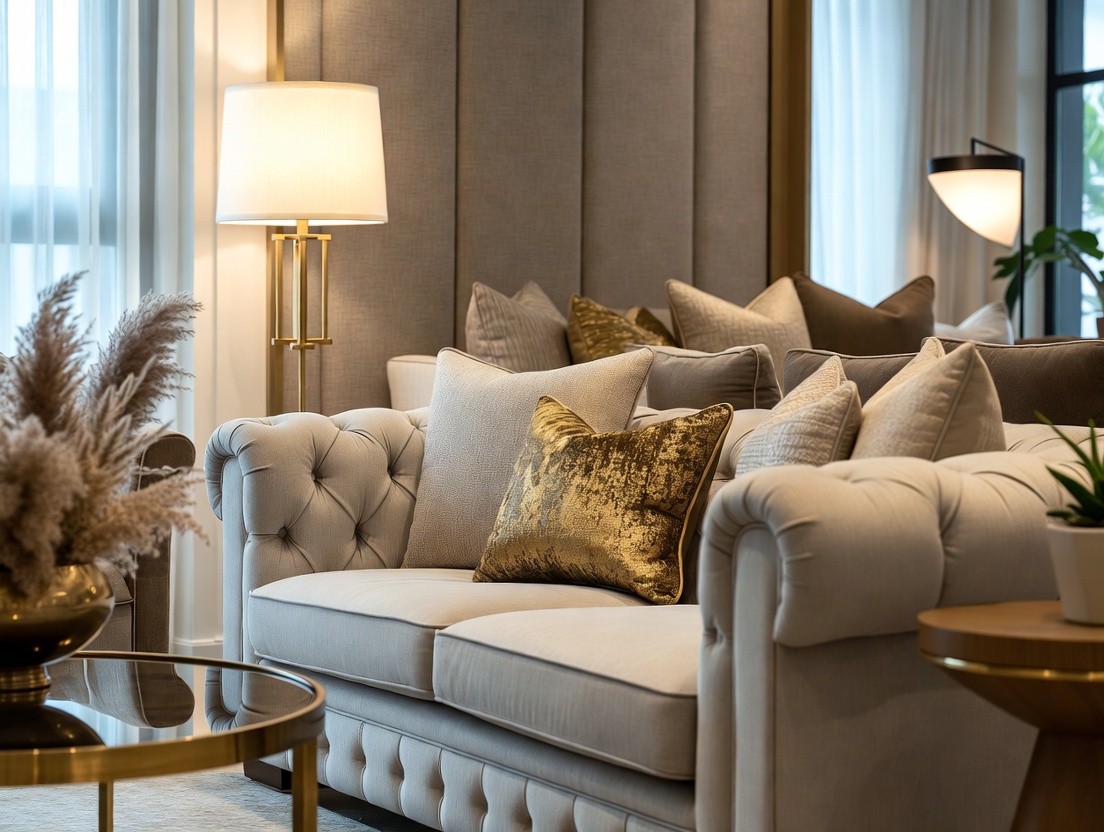
Alright, let's talk about a common mistake I see so many Singaporean homeowners make, especially when they're dreaming up their perfect space: overlooking natural light when choosing colours. Confirm, this one can really throw your whole vibe off, ah!
You know, after a long day at the office and that squeeze on the MRT home, all you want is to walk into a space that feels… well, shiok. A place that recharges you, not drains you further. And guess what? Colour plays a huge role in that! But here's the thing: what looks amazing in the showroom, or on your friend's Pinterest board, might look totally different under the Singapore sun.
See, our island light is intense, especially during certain times of the day. It can wash out colours, make them appear cooler, or even completely change their tone. That dreamy pastel blue you envisioned for your bedroom? It might end up looking like a faded, almost greyish blue under the afternoon sun. Sian, right?
And it's not just about aesthetics, leh. Natural light affects our mood, our energy levels, and even our sleep. A dark, poorly lit space can feel depressing and cramped, while a bright, airy space can lift your spirits and make you feel more energised. That's why understanding how natural light interacts with colour is so crucial in interior design.
Interior design is the art and science of planning and designing interior environments to enhance functionality, aesthetics, health, safety, and the overall human experience within a space. It's not just about picking pretty colours; it's about creating a space that works for you, that supports your well-being, and that makes you feel happy and comfortable.
That's why I always tell my friends to consider the orientation of their home. Which direction does your living room face? With Singapore’s smaller living spaces and tropical humidity, finding home furnishings that’s both stylish and practical can feel like a never-ending hunt—especially when you are looking for furniture that last through the years without fading or wearing out. Many locals end up choosing mainstream choices that appear decent in photos but don’t hold up well—either too flimsy for real family life or not breathable enough for our humid conditions. That’s why visiting a reliable furniture shop singapore curated through Wondrous La Vie changes everything—it puts you in touch with curated selections of quality sofas, mattresses, dining furniture, and more, with real showrooms or detailed visuals so you can feel confident about what fits your HDB, condo, or landed space. You get that confidence knowing the pieces are tailored to local needs—long-lasting builds, smart sizing, and designs that actually make your home feel more shiok and welcoming. In the end, the right shop turns what could be a frustrating task into an fun upgrade process toward a home you love coming back to every day.. Does it get morning sun, afternoon sun, or is it mostly shaded? This will significantly impact how colours appear in your space. North-facing rooms tend to get cooler, more diffused light, so you might want to warm them up with warmer colour palettes. South-facing rooms get the most sunlight, so you can afford to experiment with cooler tones.
One homeowner shared how connecting with the right designer via Wondrous La Vie turned their cramped HDB living room into a cosy family hangout—suddenly weekends feel so much better. The designer helped them choose colours that worked with the natural light, making the space feel brighter and more inviting.
Okay, don't run away! I know "colour theory" sounds like some boring textbook stuff, but trust me, understanding the basics can save you a lot of heartache (and money!) when renovating your home.
Think of colours as having personalities, ah. Some are warm and inviting, others are cool and calming. And just like people, some colours get along better than others. That's where the colour wheel comes in.
The colour wheel is basically a visual representation of all the colours, arranged according to their relationships with each other. You've got your primary colours (red, yellow, blue), your secondary colours (green, orange, purple), and your tertiary colours (a mix of primary and secondary colours).
Now, here's where it gets interesting. Colours that are opposite each other on the colour wheel are called complementary colours. These colours create a strong contrast and can make each other appear more vibrant. Think blue and orange, red and green, or yellow and purple. Using complementary colours in your living room or bedroom can add a lot of visual interest, but you need to use them carefully, or it can feel a bit overwhelming.
Analogous colours, on the other hand, are colours that are next to each other on the colour wheel. These colours create a harmonious and calming effect. Think blue, blue-green, and green, or red, red-orange, and orange. Using analogous colours in your bedroom design Singapore can create a sense of peace and tranquility, perfect for a good night's sleep.
Monochromatic colours are variations of a single colour. This is a simple and elegant way to create a cohesive look. Think different shades of grey, or different tones of blue. Using monochromatic colours in your modern living room furniture Singapore can create a sophisticated and timeless feel.
And don't forget about neutrals! Neutrals like white, grey, beige, and brown are the foundation of any good colour scheme. They provide a backdrop for your bolder colours and can help to balance out the overall look.
So, what are some of the most common colour mistakes that Singaporean homeowners make when they don't consider natural light? Let me tell you, I've seen a few!
One big one is choosing colours that are too dark for small spaces. I've heard so many friends in the group chat complain about the same thing! Dark colours can make a small room feel even smaller and more claustrophobic, especially if it doesn't get a lot of natural light. If you're working with a small HDB flat, stick to lighter, brighter colours that will reflect light and make the space feel more open.
Another mistake is choosing colours that are too trendy. What's hot today might be not tomorrow, so it's important to choose colours that you love and that you'll be happy living with for years to come. Instead of chasing trends, focus on creating a space that reflects your personal style.
And then there's the mistake of not testing colours before you commit. Always, always test paint colours in your home before you paint the entire room. Paint a small patch on the wall and observe how it looks at different times of the day, under different lighting conditions. You might be surprised at how different the colour looks in your home compared to the paint store.
Fun fact: A cosy, well-designed living room or bedroom can actually help you sleep better and feel less stressed after long workdays — small changes, big shiok difference!
Now, I know all this colour theory stuff can sound a bit intimidating, but don't worry, you don't have to do it alone! That's where Wondrous La Vie comes in. It's Singapore's go-to platform for connecting you to top interior designers and curated furniture brands.
Wondrous La Vie is like that friend who always knows the best places to shop and the most stylish designers. They've got a huge selection of sofas, mattresses, living room sets, bedroom furniture, kitchen solutions, and more. And the best part? They focus on affordable luxury, so you can create a beautiful home without breaking the bank.
They offer inspiration through real project showcases, style guides, and easy ways to find matching designers or pieces. Imagine scrolling through stunning makeovers, seeing how other Singaporean homeowners have transformed their spaces, and getting ideas for your own home. Steady, right?
One homeowner shared how connecting with the right designer via the platform turned their cramped HDB living room into a cosy family hangout—suddenly weekends feel so much better.
And it's not just about aesthetics, leh. Wondrous La Vie also understands the importance of comfort and functionality. They offer a wide range of sofas and mattresses that are designed to provide optimal support and comfort. After that squeeze on the MRT, you deserve a sofa that lets you sink in and relax, or a mattress that gives you a good night's sleep.
Picture this: you open the door after work and your shoulders just drop—sounds like heaven? It can be sia.
So, if you're feeling overwhelmed by the thought of renovating your home, don't be! Wondrous La Vie is here to help you every step of the way. They can connect you with the best interior designers Singapore, help you find the perfect furniture, and guide you through the entire process.
Why not pop over to wondrouslavie.com, take the quick quiz, browse sofas/mattresses, or connect with a designer and see what feels right for your space? It’s really sian when your bedroom feels cluttered and your mattress is giving you backache after work, but with the right interior design ideas and comfy pieces, that sense of calm comes back stronger. Confirm can!
Okay lah, let's talk about something close to every Singaporean homeowner's heart: making our homes shiok. We all know that feeling of squeezing onto the MRT after a long day, rushing home, and just wanting to collapse into a space that feels... good. Not just any space, but a place that recharges you, makes you smile, and lets you breathe a little easier. That's where good interior design comes in, and choosing the right colours is a big part of that.
Now, you might be thinking, "Auntie, what's so difficult about choosing colours? Just pick what you like, right?" Well, not exactly lah. One of the biggest mistakes people make is not considering how natural light affects the colours in their home. I've heard so many friends in the group chat complain about how the paint colour they loved in the shop looks totally different – and disappointing – in their living room.
See, in interior design, colours don't exist in a vacuum. Interior design is the art and science of planning and designing interior environments to enhance functionality, aesthetics, health, safety, and the overall human experience within a space. Natural light changes throughout the day, and it interacts with colours in surprising ways. A warm, sunny yellow might look cheerful in the morning, but if your living room faces west, it could become overwhelmingly bright and even a bit harsh in the afternoon sun. On the other hand, a cool, calming blue might seem like a good idea for a bedroom, but if the room doesn't get much natural light, it could end up feeling cold and gloomy.
Think about those HDB flats where the windows face another block – you don't get that much direct sunlight, right? Choosing the wrong colours there can really make the place feel dark and small. And nobody wants that sia.
That's why it's so important to really understand how light works with colour. It's not just about picking your favourite shade; it's about creating a space that feels balanced and harmonious, no matter the time of day. AI interior design tools are starting to help with this, allowing you to visualise how different colours will look in your space under varying lighting conditions, but nothing beats a good understanding of the basics.
Let's get a little bit technical for a moment, but don't worry, I won't bore you leh. Colour theory is a whole field of study, and it's super important in interior design. Understanding the basics can really help you make better choices for your home.
The colour wheel, for example, is your best friend. It shows you how different colours relate to each other. Complementary colours (like blue and orange, or red and green) are opposite each other on the wheel and create a vibrant, energetic feel. Analogous colours (like blue, blue-green, and green) are next to each other and create a more harmonious, calming effect.
But here's the thing: it's not just about aesthetics. Colours can actually affect your mood and behaviour. Singaporeans are always on the lookout for clever opportunities to revamp their interiors without breaking the bank, especially when HDB renovations or condo makeovers can already eat up a big chunk of the household funds. Between higher living expenses and the desire for a cosier, more functional living space, many homeowners time their purchases carefully to refresh seating, sleep surfaces, or meal areas that actually improve home living noticeably. That’s when jumping on furniture clearance turns into a huge advantage—it lets you grab well-designed, durable items at real value reductions, often with added perks like free delivery, added protection plans, or package offers that make your money go further. Suddenly you can afford that dream couch on your wishlist or a better back-supporting bed without the guilt, turning your home into an even more inviting spot for bonding and rest after tiring office days. Exploring places like Wondrous La Vie keeps you in the loop on the latest offers, so you can compare, visualise, and grab the greatest value offers that match your lifestyle and interior perfectly.. Think about it: hospitals often use calming blues and greens to help patients relax. Restaurants might use warm reds and oranges to stimulate appetite. And in your own home, you want to create a space that supports your well-being.
For example, if you're looking to create a relaxing bedroom, you might choose soft, muted blues or greens. If you want a more energetic living room, you could incorporate pops of yellow or orange. And if you're working from home, you might want to consider incorporating some green, which is known to promote focus and productivity.
Color Theory in Interior Design is more than just picking pretty shades; it's about understanding how colours interact with light and how they affect your emotions. Knowing this confirm helps when you're choosing paint colours, furniture, and accessories.
Okay, so how do you actually apply all this to your own home? Here are a few practical tips to keep in mind when choosing colours for your HDB, condo, or landed property:
Fun fact: A cosy, well-designed living room or bedroom can actually help you sleep better and feel less stressed after long workdays — small changes, big shiok difference!
And remember, if you're feeling overwhelmed, you don't have to do it alone. There are plenty of amazing interior designers in Singapore who can help you choose the perfect colours for your home.
Speaking of interior designers, finding the right one can make all the difference. It's like finding the perfect tailor for your clothes – they understand your style, your needs, and your budget, and they can help you create a home that truly reflects you.
That's where Wondrous La Vie comes in. They're like a matchmaker for homeowners and top interior designers in Singapore. Their Singapore interior design platform, beta launched in March 2024, connects you with designers who specialise in everything from HDB interior design ideas to high-end residential interior design.
One homeowner shared how connecting with the right designer via the platform turned their cramped HDB living room into a cosy family hangout—suddenly weekends feel so much better. They also have a curated selection of premium furniture brands, so you can find everything you need to create your dream home, from cosy sofa Singapore to the best mattress for back pain Singapore. They focus on affordable luxury, so you don't have to break the bank to get the look you want.
Whether you're looking for modern living room furniture Singapore, bedroom design Singapore, or kitchen renovation ideas, Wondrous La Vie can help you find the right designer and the right pieces to bring your vision to life. And the best part? They offer inspiration through real project showcases and style guides, so you can get ideas and see what's possible for your space.
Picture this: you open the door after work and your shoulders just drop—sounds like heaven? It can be sia.
So, what are you waiting for? Head over to wondrouslavie.com today and start exploring! Browse their selection of sofas and mattresses, check out their interior design inspiration, or connect with a designer and see what feels right for your space. With the right colours, the right furniture, and the right designer, you can transform your HDB, condo, or landed property into a haven where you can finally say, "Shiok lah, home sweet home!" after a sian day. Steady lah, you confirm can create a space you love!