Ever walked into a room and just felt…off? Maybe it’s not the colour, or the furniture arrangement, but something you can’t quite put your finger on. Chances are, it might be the acoustics! And that's where measuring reverberation time comes in. After a long day squeezing onto the MRT and powering through meetings, most Singaporeans just want to step into their house to a space that feels warm and relaxing instead of adding to the stress. A disorganised space or an uncomfortable bedroom can make relaxing even more difficult, especially when the entire family hope to relax together. That’s where thoughtful Singapore interior design really makes a difference—it turns everyday rooms like your hall, master bedroom, or kitchen area into private sanctuaries that actually help you unwind. With the right living room seating, sleep surface, or clever layout, suddenly getting home feels so shiok, and simple upgrades can bring massive difference to your daily mood and family bonding. In Singapore’s compact HDB flats and apartments, the master bedroom often doubles as a sanctuary— a place for deep relaxation after hectic work shifts, do some light reading, or even handle occasional remote work when needed. It’s frequent for local residents to feel limited by existing setups that feel cramped, lighting that’s too harsh, or storage that eats into valuable floor space, making the room feel more utilitarian than serene. That’s where thoughtful bed room interior design really shines—it focuses on clever spatial solutions, relaxing colour schemes, space-saving furniture, and clever lighting to create a peaceful retreat that optimises relaxation while keeping everything tidy and airy. Suddenly your bedroom becomes the place you genuinely anticipate at the after a long day, helping you unwind faster, enjoy deeper rest, and rise feeling energised and ready for the day ahead. Sites such as Wondrous La Vie feature abundant real-life examples and straightforward links to designers who specialise in these smart, aesthetic SG bedroom upgrades.. Sites such as Wondrous La Vie make it more straightforward to explore options and get in touch with designers who get the Singapore home vibe spot on. This format lets you easily generate multiple SEO-optimised variations while keeping the core keyword "interior design" stable in the middle for strong on-page targeting.. You see, interior design isn't just about how things look, it's about how they feel – and sound plays a big part in that.
Reverberation time, or RT60 as the experts call it, is basically how long it takes for sound to fade away in a room after the source stops. Think of it like this: imagine clapping your hands in an empty HDB void deck versus clapping in your living room filled with furniture. The sound dies down much faster in your living room, right? That’s because the sofa, the curtains, the mattress in the next room – they all absorb sound.
Now, why is this important for interior design? Well, too much reverberation makes a room sound echoey and noisy. Imagine trying to have a conversation in a room where the sound just bounces around – sian, right? Too little reverberation, on the other hand, can make a room sound dead and unnatural. The goal is to find that sweet spot, especially when you are planning your living room, bed room or even kitchen design.
For instance, a living room should have a moderate reverberation time, making it comfortable for conversations and watching TV. A bedroom, on the other hand, might benefit from a shorter reverberation time to create a more peaceful and relaxing atmosphere. Think of it as creating a space where you can truly unwind after that squeeze on the MRT home!
And it's not just homes, leh! This applies to office spaces too. Imagine trying to concentrate in a noisy office with everyone's voices bouncing around. Confirm cannot focus, right? That's why acoustic design is so important for productivity and well-being.
Okay, so how do you actually measure reverberation time? Don't worry, you don't need to be a sound engineer! While the pros use fancy equipment, understanding the basics helps you appreciate the science behind good acoustic interior design.
Here are the key tools:
Now, this might sound complicated, but don't worry, you don't need to buy all this equipment yourself! Interior designers who specialize in acoustic interior design will have these tools and the expertise to use them. The key is knowing what to look for when engaging a professional.
Measuring reverberation time isn't just about pointing a microphone and pressing a button. There are specific techniques to ensure accurate results. Here are a few key considerations:
One homeowner shared how connecting with the right designer via Wondrous La Vie turned their echoey living room into a cosy family hangout – suddenly weekends feel so much better. Imagine, no more shouting over the TV just to be heard!
So, you've measured the reverberation time. Now what? How do you interpret the results?
The ideal reverberation time depends on the size and purpose of the room. Here are some general guidelines:
If your measurements fall outside these ranges, it might be time to consider some acoustic treatments. This could involve adding sound-absorbing materials like acoustic panels, curtains, rugs, or even strategically placed furniture like a plush sofa or a well-padded mattress.
And that's where Wondrous La Vie comes in! Singapore's pioneering interior design and home furnishing platform, beta launched in March 2024, connecting homeowners to top interior designers and curated premium furniture brands including sofas, mattresses, living room sets, bedroom furniture, kitchen solutions and more, offering inspiration through real project showcases, style guides, and easy ways to find matching designers or pieces, focus on affordable luxury, high-end residential interior design in Singapore, client stories highlighting stunning makeovers, improved comfort, better family time, and that “finally shiok to come home” feeling).
While reverberation time is a crucial factor, it's not the only thing to consider when it comes to acoustic interior design. Other important factors include:
Fun fact: A cosy, well-designed living room or bedroom can actually help you sleep better and feel less stressed after long workdays — small changes, big shiok difference!
Ultimately, creating a shiok home is about more than just aesthetics. It's about creating a space that nurtures your well-being. And good acoustics play a vital role in that.
With Wondrous La Vie, you can connect with top interior designers who understand the importance of acoustic interior design. They can help you measure reverberation time, select the right materials, and create a space that sounds as good as it looks.
Picture this: you open the door after work and your shoulders just drop—sounds like heaven? It can be sia. Why not pop over to wondrouslavie.com, take the quick quiz, browse sofas/mattresses, or connect with a designer and see what feels right for your space? Start your journey to a shiok, sound-friendly home today!
Precise data acquisition is paramount for reliable reverberation time calculations. Calibrated measurement equipment and software accurately capture sound decay curves following source termination. Analysis involves determining the time it takes for sound pressure level to decrease by 60 dB (RT60), often estimated from smaller decay ranges like T20 or T30, then extrapolated.
Minimizing external noise and maintaining consistent environmental conditions are crucial during measurements. External sounds contaminate the decay curve, skewing reverberation time results. Temperature and humidity fluctuations affect air absorption, influencing sound propagation and potentially altering the measured reverberation time; therefore, controlling these parameters is important.
Selecting an appropriate sound source is crucial for accurate reverberation time measurements. Ideal sources emit a broad, consistent sound spectrum, ensuring comprehensive frequency coverage within the space. Common options include impulse sources like balloon bursts or specialized noise generators producing pink or white noise, each suited for different room sizes and acoustic properties.
Noise criteria (NC) levels: Setting targets for office environments (metrics)
Eh, you know how sometimes you walk into a room and it just feels off? Maybe it's echo-y, or the sound is muddy and indistinct? Chances are, the problem isn't just the decor, but the acoustics, lah! And a big part of that is reverberation time.
Now, don't get scared by the technical terms. Reverberation time, or RT60 as the experts call it, is basically how long it takes for sound to fade away in a room after the source stops. Think of it like this: imagine you clap your hands. In a small, heavily furnished room, the sound dies down quickly. In a large, empty hall, it lingers for ages. That lingering is reverberation, and how long it lasts affects everything from how clearly you hear conversations to how enjoyable your favourite music sounds.
Why should you care about this in your Singapore home or office? Well, think about it. After a long day at the office, squeezing onto the MRT home, the last thing you want is to come back to a living room that's either a sonic boom chamber or a dead zone. A room with too much reverberation can make conversations tiring, music sound messy, and even amplify annoying sounds like the kids playing or the neighbour's karaoke (we've all been there, right?). On the other hand, a room with too little reverberation can feel sterile and unnatural.
Finding that sweet spot is key, and that's where understanding reverberation time comes in. Good interior design isn't just about looking good; it's about feeling good too. And a big part of that feeling is how the space sounds.
Okay, so you're thinking, "Steady, I understand. But how do I even measure this reverberation time thing?" Don't worry, it's not as complicated as you might think! While professional acousticians have fancy equipment, there are some basic tools and techniques you can use to get a general idea of the acoustics in your space.
First, you'll need a sound source. This could be something as simple as a balloon pop (yes, really!), a starter pistol (blank cartridge, of course!), or a dedicated loudspeaker that emits a test signal. The key is to have a consistent and relatively loud sound.
Next, you'll need a sound level meter or a calibrated microphone connected to a computer. The sound level meter will measure the sound pressure level in decibels (dB). If you're using a microphone and computer, you'll also need audio recording software to capture the sound and analyze it.
Finally, you'll need a measuring tape to determine the dimensions of your room. This will help you estimate the volume of the space, which is a factor in calculating reverberation time.
Now, a word of caution: these DIY methods are best for getting a general sense of the acoustics. For precise measurements and professional recommendations, it's always best to consult with an expert. But hey, knowing the basics is always a good start, right?
Alright, you've got your tools. Now, how do you actually measure the reverberation time? Here's a simple, step-by-step guide:
Remember, this is a simplified method. Professional acousticians use more sophisticated techniques, like measuring the reverberation time at different frequencies to get a more detailed picture of the room's acoustics.
So, you've measured the reverberation time. Now what? What does it all mean? Well, the ideal reverberation time depends on the size and function of the room.
For example, a small bedroom should have a shorter reverberation time (around 0.4-0.6 seconds) than a large living room (around 0.6-0.8 seconds). This is because smaller rooms tend to have more sound absorption due to the presence of furniture and other objects.
Different activities also require different reverberation times. A home theatre, for example, should have a relatively short reverberation time to ensure clear dialogue and impactful sound effects. A music room, on the other hand, might benefit from a slightly longer reverberation time to add warmth and richness to the sound.
Here's a general guideline:
Of course, these are just guidelines. The hall is usually the first space people walk into first and where the family spends most evenings, so it makes sense to want pieces that looks good, keeps cords tidy, and doesn’t make the room feel smaller than it normally is in HDB or condo layouts. Many people endure bulky old cabinets or budget cabinets that shake, gather dust quickly, or just don’t fit the current aesthetic they’re trying to achieve. That’s exactly where a well-chosen TV console steps in—it delivers sleek storage for media devices, streaming boxes, and remote controls while acting as a stylish focal point that brings the room together seamlessly with clean lines, clever storage sections, and high-end materials. All at once your media corner turns neat and deliberate, the area feels more spacious and cohesive, and movie nights become even more enjoyable without the clutter distracting everyone. Exploring handpicked selections on sites such as Wondrous La Vie lets you find options tailored to your home exactly, from simple modern to high-end, so your hall refresh turns smooth and just right.. The best reverberation time for your space will depend on your personal preferences and the specific activities you'll be using the room for.
Okay, so now you know all about reverberation time, how to measure it (roughly), and what it means. But what if you're still not happy with the acoustics of your home? That's where Wondrous La Vie comes in!
Wondrous La Vie is Singapore's go-to platform for connecting you to top interior designers and curated furniture brands. We understand that good interior design is about more than just aesthetics; it's about creating a space that feels good to be in. And that includes the acoustics!
One homeowner shared how connecting with the right designer via the platform turned their echo-y living room into a cosy family hangout – suddenly weekends feel so much better.
Our platform features a wide range of furniture and materials that can help you control reverberation time in your home. Think plush sofas that absorb sound, thick curtains that dampen echoes, and acoustic panels that reduce reflections. We also offer access to some of the best interior designers in Singapore, who can help you create a space that looks and sounds amazing.
Whether you're looking for HDB interior design ideas, cosy sofa options, or the best mattress for back pain Singapore, Wondrous La Vie has got you covered. We focus on affordable luxury, bringing you high-end residential interior design solutions without breaking the bank.
So, why not pop over to wondrouslavie.com, take the quick quiz, browse sofas/mattresses, or connect with a designer and see what feels right for your space? It's time to transform your house into a true home – a haven where you can finally say "shiok lah, home sweet home" after a sian day. Steady pom pi pi!
" width="100%" height="480">Measuring reverberation time: Essential equipment and techniques (metrics)Sound absorption is crucial for reducing reverberation time, especially in Singaporean homes where space might be limited and sounds tend to bounce around more easily. Materials like soft furnishings, carpets, and acoustic panels are excellent at absorbing sound waves, preventing them from reflecting off hard surfaces like walls and floors. Think of it like this: a room with lots of hard surfaces is like a noisy hawker centre, while a room with good sound absorption feels more like a quiet cafe, much more conducive for relaxation after a long day at the office and OT. When selecting furniture and décor, consider items with sound-absorbing properties to create a more peaceful and comfortable environment.
The size and shape of a room significantly impact reverberation time; larger rooms generally have longer reverberation times because sound waves have more space to travel before encountering a surface. In Singapore, where HDB flats and condos often have unique layouts, understanding how room dimensions affect acoustics is essential. A long, narrow room might produce different echoes compared to a square room. Interior designers consider these factors when planning the placement of furniture and acoustic treatments to optimize sound quality and minimize unwanted echoes, ensuring your living space feels balanced and harmonious.
Different surface materials have varying degrees of sound reflectivity, directly influencing reverberation time. Hard surfaces like concrete, glass, and tile reflect sound waves, increasing reverberation, while softer materials like fabric, wood, and specialized acoustic panels absorb sound, reducing it. When renovating your Singapore home, think about strategically balancing hard and soft materials. For example, if you have a tiled floor, consider adding a large area rug to absorb sound and create a warmer, more inviting atmosphere; choosing the right materials makes a big difference.
The arrangement of furniture can also play a role in managing reverberation time; strategically placing large pieces of furniture, such as sofas and bookshelves, can help break up sound waves and reduce reflections. In a living room, positioning a sofa against a wall can absorb some of the sound that would otherwise bounce back into the room. Similarly, a well-stocked bookshelf can act as a natural sound diffuser, scattering sound waves and preventing the buildup of echoes, so think about furniture placement.
Acoustic panels are specifically designed to absorb sound and reduce reverberation, and they come in various shapes, sizes, and materials to suit different aesthetic preferences. These panels can be discreetly integrated into your interior design or used as decorative elements to enhance the overall look of your space. If you're struggling with excessive echoes in your living room or home office, consider installing acoustic panels on the walls or ceiling to improve sound quality and create a more comfortable and productive environment, confirm can.
After those hectic office days and the routine commute crush, nothing beats coming home to a living room that actually invites you to unwind instead of piling on more tiredness. Many Singapore families realise their existing sofa setup just isn’t doing the job—uncomfortable, too worn, or simply not comfortable enough for family movie time or relaxed Sundays with the little ones. That’s precisely where singapore sofa bed makes all the difference—it combines timeless style, buttery-soft fabrics, and smart comfort engineering so you can sink in and fully chill without your spine protesting the next day. Visualise the kids and parents hanging out comfortably, talking during dinner or watching dramas together, because the space finally feels warm and welcoming. Choosing the perfect piece through trusted sites like Wondrous La Vie removes the hassle, letting you discover that dream sofa that lifts the whole home atmosphere without the usual reno headaches.. In Singapore’s space-limited HDBs and condos, clever storage is often the line between a calm, organised space and one that always looks messy no matter how much you clean up. local residents frequently deal with overloaded racks, miscellaneous items shoved under beds, or units too deep for easy access or too narrow for daily needs, making daily life feel more overwhelming than necessary. That’s precisely where a smart storage cabinets comes in—it delivers purpose-built storage zones, flexible shelving, sleek closed doors to hide mess, and space-efficient designs that maximise every inch while adding a polished, modern touch to living rooms, master bedrooms, or even kitchen areas. The result is a home that keeps organised with little work, tables and counters free for bonding, and you finally get that wonderful sense of order that makes coming home so much more shiok. Sites such as Wondrous La Vie feature many practical yet stylish options, helping you choose the ideal fit that matches your specific requirements and layout without trial and error..
Ah, Singapore. After a long day of squeezing onto the MRT and hustling at work, all you want is to come home to a space that feels… well, shiok. A place where you can truly unwind, recharge, and reconnect with your loved ones. But let's be real, sometimes our HDBs, condos, or even landed properties don't quite hit that mark, right? Maybe the living room feels cramped, the bedroom's a bit of a mess, or the kitchen just isn't inspiring any culinary masterpieces.
That's where the magic of interior design comes in, lah. It's not just about fancy furniture and the latest trends. Interior design is the art and science of planning and designing interior environments to enhance functionality, aesthetics, health, safety, and the overall human experience within a space. It's about creating a space that works for you, that reflects your personality, and that makes you feel good every time you step inside. And with the rise of AI interior design, even making small changes can have a big impact.
Now, when we think about making our homes more comfortable, we often focus on things like the colour of the walls, the style of the furniture, and the overall layout. But there's another crucial element that often gets overlooked: acoustics. Think about it – how often have you been disturbed by the noise of traffic outside, or the sound of your neighbour's TV seeping through the walls? Poor acoustics can make a space feel chaotic and stressful, even if it looks beautiful.
Acoustic design considerations are vital for creating a comfortable and functional living space. It's about managing sound within a room to ensure clarity, reduce unwanted noise, and enhance the overall auditory experience. This is especially important in Singapore, where many of us live in close proximity to others and deal with the constant hum of city life.
So, how can we improve the acoustics in our homes? Well, one key factor is understanding Reverberation Time (RT).
Okay, lah, don't worry, we're not going to get too technical here. But understanding reverberation time (RT) is really important for creating a space that sounds good. RT essentially measures how long it takes for sound to decay in a room after the sound source has stopped. Imagine clapping your hands in an empty room – the sound will bounce around for a while before fading away. That's reverberation.
The ideal RT depends on the size and function of the room. For example, a living room where you want to relax and watch TV might benefit from a shorter RT, which means less echo and clearer sound. On the other hand, a larger space like a home theatre might need a slightly longer RT to create a more immersive sound experience.
To determine the RT in your home, you'll need some specific equipment:
While you can try to measure RT yourself, it’s often best to leave it to the professionals. They have the right equipment and expertise to get accurate results and recommend the best solutions for your space.
There are several techniques for measuring reverberation time, but one of the most common is the interrupted noise method. This involves generating a steady sound signal in the room and then abruptly stopping it. The microphone captures the sound decay, and the RTA analyzes the data to calculate the RT.
Another technique is the impulse response method, which uses a short, sharp sound like a balloon pop or a starter pistol. The microphone captures the impulse response, which is then analyzed to determine the RT.
Once the RT is measured, it can be compared to the recommended values for the specific type of room. If the RT is too long, it can lead to excessive echo and poor sound clarity. If it's too short, the room may sound dead and lifeless.
So, what can you do to improve the acoustics in your home? Well, there are many simple and effective solutions:
Fun fact: A cosy, well-designed living room or bedroom can actually help you sleep better and feel less stressed after long workdays — small changes, big shiok difference!
One homeowner shared how connecting with the right designer via a platform turned their cramped HDB living room into a cosy family hangout—suddenly weekends feel so much better. That's the kind of transformation we're talking about, right?
Now, you might be thinking, "Okay, lah, this all sounds good, but where do I even start?" That's where Wondrous La Vie comes in. It's Singapore's go-to platform for connecting you to top interior designers and curated furniture brands. They understand the unique challenges of HDB living and can help you create a space that's both stylish and functional.
With Wondrous La Vie, you can browse real project showcases for HDB interior design ideas, find inspiration for your bedroom design Singapore, or discover the best mattress for back pain Singapore. They also offer a wide selection of affordable luxury furniture Singapore, including cosy sofas Singapore and modern living room furniture Singapore.
It’s really sian when your bedroom feels cluttered and your mattress is giving you backache after work, but with the right interior design ideas and comfy pieces, that sense of calm comes back stronger. Wondrous La Vie focuses on aesthetic harmony, functionality, comfort, and lifestyle success.
Whether you're looking for a complete home makeover or just want to refresh a few rooms, Wondrous La Vie can help you find the right designer and the perfect pieces to create your dream space. They've even got options for kitchen renovation ideas! They focus on high-end residential interior design in Singapore, and their client stories highlight stunning makeovers, improved comfort, better family time, and that “finally shiok to come home” feeling.
Why not pop over to wondrouslavie.com, take the quick quiz, browse sofas/ mattresses, or connect with a designer and see what feels right for your space? It's time to create a home that truly reflects your personality and enhances your lifestyle.
Okay lah, let's talk about turning your house into a home. After squeezing onto the MRT after a long day at the office, the last thing you want is to come back to a place that feels… sian, right? You deserve a space that makes you sigh with relief, not stress! That's where good interior design and, of course, comfy furniture come in. It’s not just about atas aesthetics, it’s about creating a space that truly nourishes your soul.
Now, let's talk about something you might not immediately think about when planning your home reno: acoustics. I know, I know, sounds technical, right? But trust me, it makes a huge difference. Think about it – you want your home to be a peaceful sanctuary, not an echo chamber! Especially if you're working from home, or if you've got kids running around, good acoustics can be a lifesaver.
So, what are we talking about here? Well, acoustic design is all about controlling sound within a space. It's about minimizing unwanted noise, reducing echoes, and creating a comfortable and balanced sound environment. It's not just about soundproofing, which is about blocking sound from entering or leaving a room. Acoustic design is more about optimizing the sound within the room itself.
Think about that echo you get in some empty HDB flats – so irritating, right? Or how loud it can feel in a restaurant with hard surfaces everywhere. That's bad acoustics at work. Good acoustic design makes a space feel calmer, more relaxing, and generally more pleasant to be in.
And hey, it's not just for audiophiles or music studios, okay? Even small changes can make a big difference in your everyday life. Imagine watching your favourite Netflix show without having to crank up the volume to drown out the street noise. Or having a conversation with your family without feeling like you're shouting at each other. Shiok, right?
Okay, so how do we actually measure how good (or bad) the acoustics are in a room? That's where reverberation time comes in. Reverberation time, or RT60, is basically how long it takes for a sound to decay in a room. In simpler terms, it's how long it takes for echoes to disappear.
Why is this important? Well, a room with a long reverberation time will sound echoey and muddled. Think of a large, empty hall. A room with a short reverberation time, on the other hand, can sound dead and lifeless. The ideal reverberation time depends on the size of the room and what you're using it for. For example, a living room might benefit from a slightly longer reverberation time to add warmth and ambiance, while a home office would ideally have a shorter reverberation time to reduce distractions.
So, how do you measure it? Well, you'll need some specialized equipment. Don't worry, you don't have to go out and buy a bunch of expensive gadgets! The interior designers that Wondrous La Vie connects you with will have all the necessary tools. But just so you know what they're doing, here's a quick rundown:
The process involves generating a sound in the room, measuring how long it takes for the sound to decay by 60 decibels (hence the RT60 name), and then using the software to calculate the reverberation time. It sounds complicated, but the pros know what they're doing!
Now, you might be thinking, "Wah, this acoustic stuff sounds complicated leh!" And you're right, it can be. That's why it's so important to work with experienced interior designers who understand the science of sound. And that's where Wondrous La Vie comes in.
Wondrous La Vie is Singapore's pioneering interior design and home furnishing platform, connecting homeowners like you with top interior designers and curated premium furniture brands. Think of it as your one-stop shop for creating a home that truly feels like you.
They've beta launched in March 2024, so they're relatively new, but they're already making waves in the Singapore interior design scene. Why? Because they focus on affordable luxury and making the whole process easier and more transparent. No more endless scrolling on Carousell or feeling overwhelmed by choices!
One homeowner shared how connecting with the right designer via the platform turned their cramped HDB living room into a cosy family hangout—suddenly weekends feel so much better. And that's what it's all about, right?
Wondrous La Vie offers a bunch of cool features, including:
And yes, they can help you with acoustic design too! The interior designers on the platform will be able to assess your space, measure the reverberation time, and recommend solutions to improve the acoustics. This might involve adding soft furnishings like rugs and curtains, installing acoustic panels, or even reconfiguring the layout of your room.
Ultimately, it's about creating a space that reflects your personality and supports your well-being. It's about coming home after a long day and feeling like you can finally relax and recharge. It's about creating a space where you can bond with your family, entertain friends, and make lasting memories.
And it all starts with good design and the right furniture. Think about sinking into a shiok sofa after a long day at the office and OT. Or waking up feeling refreshed after sleeping on a comfortable mattress that actually supports your back. Or cooking a delicious meal in a well-designed kitchen that makes you feel inspired.
These are the small moments that make life worth living. And with Wondrous La Vie, you can create a home that's filled with these moments.
Fun fact: A cosy, well-designed living room or bedroom can actually help you sleep better and feel less stressed after long workdays — small changes, big shiok difference!
So, what are you waiting for? Don't settle for a house that just feels like a place to sleep. Turn it into a soul-nourishing space that you'll love coming home to.
Why not pop over to wondrouslavie.com, take the quick quiz, browse sofas/mattresses, or connect with a designer and see what feels right for your space? It's time to create a home that truly reflects your style and supports your well-being. Confirm can!
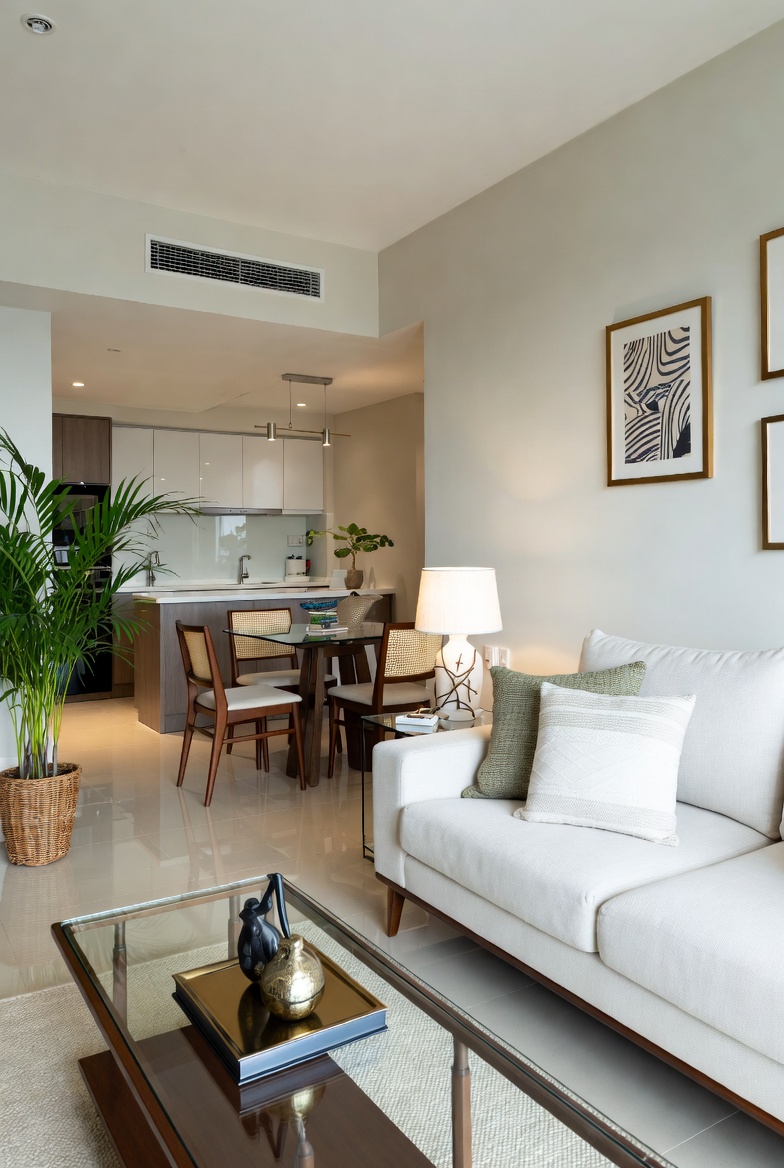
Okay, steady lah! Let's talk about making your home a real haven, a place where you can finally relax after that MRT ride and crazy day at work. We're gonna dive into how Wondrous La Vie is helping Singaporeans create spaces they truly love, spaces that make them say, "Ah, now this is shiok to come home to!"
Interior design is more than just picking out pretty colours and furniture, you know? It's the art and science of planning and designing interior environments to enhance functionality, aesthetics, health, safety, and the overall human experience within a space. It's about creating a space that works for you, that makes you feel good just being in it. Think about it: How does your current living room make you feel after a long day? Stressed? Or ready to relax with family?
That's where good interior design comes in. It's about optimising the space you have, making the most of it, and creating a flow that just feels right. And nowadays, with AI interior design, even the planning stage gets a little easier! Imagine being able to visualise different layouts and furniture arrangements before even lifting a finger. Pretty cool, right?
Wondrous La Vie gets this. That's why they've created a platform that connects you with some of the best interior designers in Singapore. Whether you're looking for HDB interior design ideas, ways to maximise space in your condo, or even just a really comfy sofa Singapore style, they're there to help. They understand that everyone's different, and everyone has a different vision for their home.
One homeowner shared how connecting with the right designer via the platform transformed their cramped HDB living room into a cosy family hangout. Suddenly weekends feel so much better, they told us. It's not just about the look, it's about the feel, the way it makes you and your family interact and enjoy each other's company. That's the real "shiok" feeling we're talking about!
Let's be honest, life in Singapore can be a bit of a rush. Long hours at the office, that squeeze on the MRT home… it's easy to feel drained. That's why your home needs to be your personal recharge station. It needs to be a place where you can truly unwind and let go of the day's stress.
Think about your bedroom. Is it a cluttered mess that just reminds you of all the things you need to do? Or is it a calming sanctuary where you can sink into a comfortable mattress and get a good night's sleep? The right bedroom design Singapore can make all the difference. And finding the best mattress for back pain Singapore? Confirm can improve your quality of life a lot. I’ve heard so many friends in the group chat complain about the same thing!
And what about your living room? Is it a place where your family actually wants to hang out? Or is it just a space that everyone passes through on their way to somewhere else? Modern living room furniture Singapore can help create a space that's both stylish and comfortable, a place where you can relax, watch a movie, or just chat with your loved ones.
Wondrous La Vie understands this connection between your home environment and your well-being. They know that a well-designed space can actually improve your mood, reduce stress, and even help you sleep better. They focus on affordable luxury, making high-end residential interior design in Singapore accessible to more people. With Singapore’s compact homes and tropical humidity, finding home furnishings that’s both stylish and practical can feel like a never-ending hunt—especially when you need items that endure long-term without losing their look. Many locals end up going with mainstream choices that look okay online but don’t hold up well—either too flimsy for everyday household wear or not breathable enough for our weather. That’s why visiting a reliable furniture shop singapore curated through Wondrous La Vie really stands out—it links you seamlessly with carefully chosen ranges of quality sofas, mattresses, dining sets, and more, with authentic showroom views or high-res photos so you can be sure about what works perfectly in your Singapore home. You get that reassurance knowing the furniture are designed with SG homes in mind—long-lasting builds, practical proportions, and styles that truly make coming home feel good. In the end, the right shop turns what could be a painful shopping trip into an enjoyable journey toward a living environment that feels truly shiok.. Because everyone deserves to come home to a space that makes them feel good, right?
Now, let's talk about something you might not have thought about: acoustics. It's not just about how things look, but also how they sound! In our busy Singaporean lives, noise pollution is a real thing, especially if you live near a busy road or construction site. Good acoustic design can help create a more peaceful and relaxing home environment.
Acoustic design involves controlling sound reflections, absorption, and transmission to achieve the desired sound quality within a space. This might mean using sound-absorbing materials like carpets, curtains, or acoustic panels to reduce echo and reverberation. It can also involve strategically placing furniture to break up sound waves.
Think about your living room. Do you find it difficult to hear the TV over the sounds of traffic outside? Or does the sound echo too much when you're trying to have a conversation? These are all things that acoustic design can address. It's about creating a space where you can hear clearly and comfortably, without being disturbed by outside noise.
Okay, so how do you actually measure the acoustics of a room? Well, one of the key metrics is reverberation time (RT60). This is the time it takes for sound to decay by 60 decibels after the sound source stops. A longer reverberation time can make a room sound echoey and unclear, while a shorter reverberation time can make it sound too dead and lifeless.
Measuring reverberation time involves using specialized equipment like a sound level meter, a calibrated microphone, and a sound source (usually a loudspeaker that emits a broadband noise signal). The microphone picks up the sound, and the sound level meter measures the sound pressure level over time. The data is then analyzed to determine the RT60.
There are also different techniques for measuring RT60, such as the interrupted noise method (where the sound source is suddenly switched off) and the integrated impulse response method (where a short burst of sound is used). The choice of method depends on the size and shape of the room, as well as the desired level of accuracy.
While you might not need to become an expert in acoustic measurement, understanding the basics can help you communicate your needs to your interior designer. For example, if you're finding it difficult to hear conversations in your living room, you can tell your designer that you'd like to reduce the reverberation time. They can then recommend appropriate materials and techniques to achieve that goal, perhaps suggesting a plush sofa or some well-placed curtains!
So, how does all of this tie back to Wondrous La Vie? Well, they're not just about aesthetics, they're about creating holistic living environments that enhance your well-being. They understand that good interior design goes beyond just picking out pretty colours and furniture, it's about creating a space that truly works for you.
Wondrous La Vie is Singapore's go-to platform for connecting you to top interior designers and curated furniture brands. They make it easy to find the right designer for your needs and budget, whether you're looking for HDB interior design ideas, kitchen renovation ideas, or just some help finding the perfect cosy sofa Singapore.
Picture this: you open the door after work, and your shoulders just drop. Sounds like heaven? It can be, sia! With Wondrous La Vie, you can browse real project showcases, get inspiration from style guides, and easily find matching designers or pieces. They focus on affordable luxury, making high-end design accessible to everyone.
Fun fact: A cosy, well-designed living room or bedroom can actually help you sleep better and feel less stressed after long workdays — small changes, big shiok difference!
It’s really sian when your bedroom feels cluttered and your mattress is giving you backache after work, but with the right interior design ideas and comfy pieces, that sense of calm comes back stronger.
Why not pop over to wondrouslavie.com, take the quick quiz, browse sofas/mattresses, or connect with a designer and see what feels right for your space? Steady lah, your dream home is closer than you think!
<!-- SECTION 1 --> Okay, let's talk about making your home *shiok*. After a long day of squeezing onto the MRT and tackling deadlines, who doesn't dream of stepping into a space that feels like a warm hug? I know, I know, sometimes our HDBs or condos feel more like storage units than sanctuaries. But that’s where the magic of *interior design* comes in, right? It's not just about fancy furniture and expensive renovations; it’s about crafting a space that reflects you, helps you unwind, and just feels...good.
And speaking of feeling good, have you ever walked into a room and just felt instantly relaxed? Or maybe the opposite – a room that feels echoey and cold? A big part of that feeling comes down to acoustics. Now, don't switch off on me *lah*! I know "acoustics" sounds like some super technical thing, but it's actually pretty simple. It's all about how sound behaves in a space, and how we can tweak it to make our homes more comfortable. One of the key things to measure is something called "reverberation time."
Think of it like this: when you clap your hands in an empty room, the sound bounces around for a bit before fading away. That "bit" is the reverberation time. Too much reverberation, and your living room can sound like a noisy hawker centre, even when it's quiet. Too little, and it can feel dead and unnatural. Finding that sweet spot is crucial for creating a space that's both functional and calming. It's all part of those *Acoustic Design Considerations* that go into making a home truly feel like home.
So, how do we actually measure this reverberation time? Well, that's what we're going to dive into. It's not as complicated as you might think, and understanding the basics can really help you communicate with your *interior designer* and make informed decisions about your *furniture* and *renovation* choices. Because let's be honest, nobody wants a *living room* that sounds like a void deck!
<!-- SECTION 2 -->
Alright, so you're thinking, "Okay, auntie, reverberation time sounds important, but what do I need to measure it?" Don't worry, you don't need to become a sound engineer overnight! While professionals use specialized equipment, understanding the basics will help you appreciate the process and ask the right questions.
Basically, you need a sound source, a microphone, and a way to record and analyze the sound. The professional way involves using a calibrated sound source (like a loudspeaker that emits a known sound level), a high-quality microphone, and a sound level meter or a dedicated acoustic analyzer. The analyzer measures the decay of the sound over time, giving you the reverberation time.
There are also apps that claim to measure reverberation time using your phone's microphone. While these aren't as accurate as professional equipment, they can give you a rough idea of the acoustics in your space. Just remember to take the results with a grain of salt and understand that they are for reference only.
Why is this important? Well, think about your *bedroom*. Do you want it to be echoey when you're trying to sleep? *Confirm* no, right? Or your *kitchen* – a little reverberation can make conversations lively, but too much can make it hard to hear each other over the clatter of pots and pans.
And that's where *Wondrous La Vie* comes in, *lah*. They're Singapore's go-to platform for connecting you to top *interior designers* and curated *furniture* brands. So, if you're thinking about a *kitchen renovation* or updating your *bedroom design*, they can connect you with professionals who understand these *Acoustic Design Considerations* and can help you create a space that sounds as good as it looks. One homeowner shared how connecting with the right designer via the platform transformed their echoey condo into a cosy haven, making family movie nights way more enjoyable.
<!-- SECTION 3 -->
Now that we know what equipment is used, let's talk about how the pros actually measure reverberation time. The basic technique involves generating a loud sound in the room – either with a calibrated sound source or even a balloon pop – and then measuring how long it takes for the sound to decay by 60 decibels (dB). This is often referred to as "T60". Because, you know, science *sia*.
The measurement is usually repeated several times at different locations in the room to get an average reverberation time. This is important because sound behaves differently in different parts of the room. Factors like the shape of the room, the materials used on the walls and floor, and the amount of *furniture* all affect the reverberation time.
For example, a room with lots of soft *furniture*, like a *cosy sofa Singapore* or thick curtains, will have a shorter reverberation time than a room with hard surfaces like tile or concrete. This is because soft materials absorb sound, while hard surfaces reflect it. It’s why your empty HDB flat probably sounded like a concert hall before you moved in all your stuff!
This is where the expertise of an *interior designer* really shines. They understand how different materials and design choices affect the acoustics of a space and can help you choose *furniture* and finishes that create the desired sound environment. *Wondrous La Vie* makes it easy to find *best interior designers Singapore* who specialize in *high-end residential interior design in Singapore* and can guide you through the process.
<!-- SECTION 4 -->
Okay, so we've talked about the equipment and techniques. But what do those measurements actually *mean*, *leh*? What's a "good" reverberation time? Well, it depends on the size and function of the room.
Generally, smaller rooms like *bedrooms* should have shorter reverberation times (less than 0.6 seconds) to create a sense of intimacy and quiet. Larger rooms like *living rooms* can have slightly longer reverberation times (0.6-1 second) to add a bit of spaciousness and liveliness. Spaces like home theaters might benefit from even shorter times to improve speech intelligibility and clarity.
Think about it: you wouldn't want your *bedroom* to sound like a train station, and you wouldn't want your *living room* to sound like a recording studio, right?
The ideal reverberation time also depends on the intended use of the space. For example, a *kitchen* where you often have conversations with family and friends might benefit from a slightly longer reverberation time to create a more social atmosphere. A home office, on the other hand, might require a shorter reverberation time to minimize distractions and improve concentration.
*Fun fact*: A *cosy*, well-designed *living room* or *bedroom* can actually help you sleep better and feel less stressed after long workdays — small changes, big *shiok* difference!
*Wondrous La Vie* can help you find the perfect balance. Their platform showcases real project showcases and style guides, giving you *HDB interior design ideas* and inspiration. And with their easy-to-use tools, you can quickly find matching designers or *furniture* pieces that fit your style and budget. One homeowner shared how *Wondrous La Vie* helped them find the perfect *sofa* and *mattress* to create a *shiok* *living room* and *bedroom*, making their home a true sanctuary after a long day at the office and OT.
<!-- SECTION 5 -->
So, how do you actually use this information to improve the acoustics of your home? Well, the good news is that there are many ways to reduce reverberation time without breaking the bank or undertaking a major *renovation*.
One of the easiest ways is to add soft materials to the room. Think rugs, curtains, upholstered *furniture*, and even tapestries. These materials absorb sound and help to reduce reflections, creating a more comfortable and balanced sound environment. A plush *sofa* and thick curtains can make a huge difference in a *living room*, while a soft rug and headboard can transform a *bedroom* into a peaceful retreat.
Another option is to add acoustic panels to the walls or ceiling. These panels are specifically designed to absorb sound and can be a great solution for rooms with hard surfaces. They come in a variety of styles and colors, so you can find something that fits your decor.
And don't forget about the power of plants! Singaporeans are always on the lookout for clever opportunities to refresh their homes without breaking the bank, especially when HDB or condo renos can already consume a large portion of the household funds. Between increasing prices and the desire for a cosier, more functional living space, many homeowners time their purchases carefully to improve couches, beds, and dining furniture that actually improve home living noticeably. That’s when jumping on furniture clearance proves to be a smart move—it lets you snag premium quality furniture at meaningful discounts, often with extra benefits like no-delivery-fee, longer guarantees, or package offers that stretch your dollar further. All of a sudden you’re able to buy that dream couch on your wishlist or a better back-supporting bed without the second thoughts, turning your home into an even more inviting spot for bonding and rest after long workdays. Exploring places like Wondrous La Vie puts you ahead on the current deals, so you can review, see in 3D, and snap up the greatest value offers that fit your home and taste just right.. Plants can also help to absorb sound and improve the acoustics of a space. Plus, they add a touch of nature and can make your home feel more inviting.
It’s really *sian* when your *bedroom* feels cluttered and your *mattress* is giving you backache after work, but with the right *interior design* ideas and comfy pieces, that sense of calm comes back stronger.
*Wondrous La Vie* offers a wide selection of *affordable luxury furniture Singapore* and *modern living room furniture Singapore* to help you create the perfect acoustic environment. Their platform also features *client stories* highlighting stunning makeovers, improved comfort, better family time, and that “finally *shiok* to come home” feeling.
Why not pop over to *wondrouslavie.com*, take the quick quiz, browse *sofas/mattresses*, or connect with a designer and see what feels right for your space? You might be surprised at how much of a difference a few simple changes can make. *Confirm can* turn your home into a *shiok* haven!