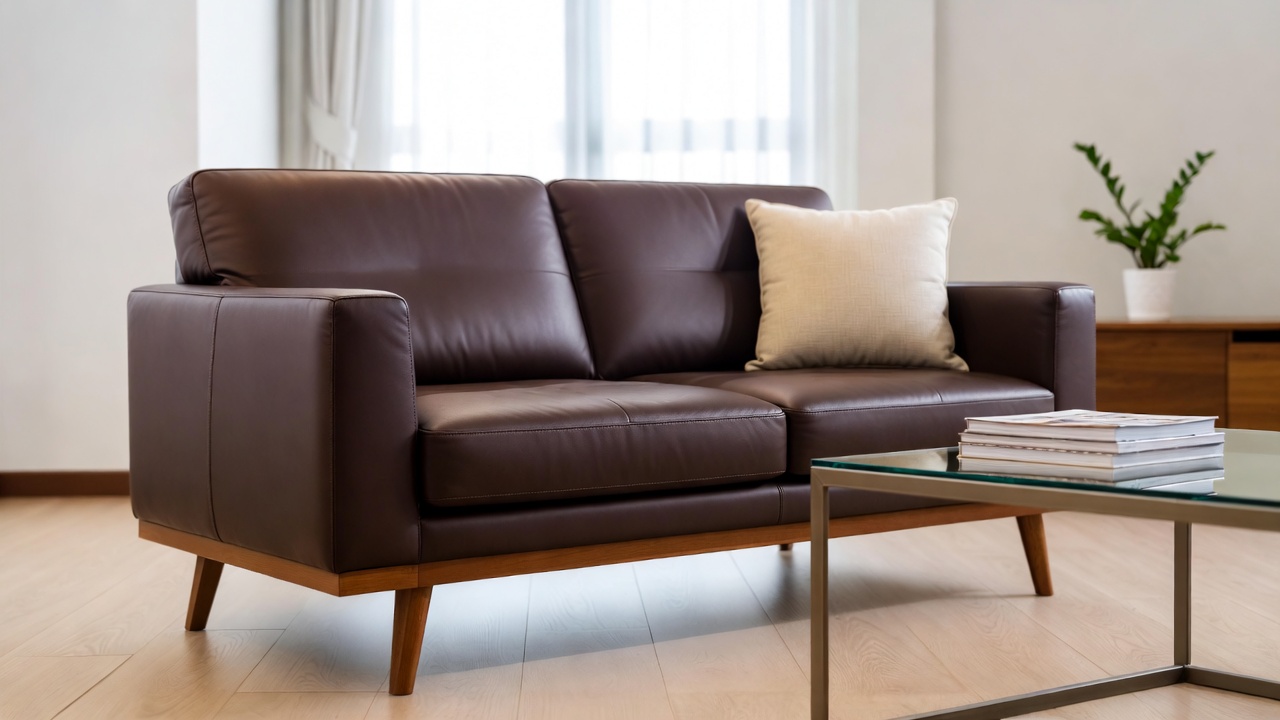
Alright, let's get this show on the road! Imagine we're catching up at the hawker centre, kopi in hand, and I'm sharing some tips on making your home renovation journey smoother than a fresh coat of paint.
So, you're thinking of giving your home a fresh coat of paint, eh? Or maybe a full-blown makeover? Steady lah! But before you go all out and paint everything sunshine yellow (unless that's really your thing!), let's talk about color scheme approval. It's like the secret sauce to a successful interior design project, making sure everything flows nicely and your home feels like a haven, not a headache. After squeezing on the MRT after a long day at the office, you want your home to be a relaxing retreat, right?
Now, I know what you're thinking: "Auntie, so many steps, so mafan!" But trust me, a little planning can save you a lot of heartache (and money!) down the road. I've heard so many friends in the group chat complain about choosing the wrong colors, and then having to repaint the whole house! Sian, right?
Let’s dive into this step-by-step verification process, which is especially important if you're working with an interior designer. Even if you're going DIY, this checklist can help you stay on track. Remember, a well-chosen color scheme elevates the entire interior design, turning your HDB, condo, or landed property into a space you truly love.
After a long day being crammed in the MRT and powering through meetings, most Singapore homeowners just want to step into their house to a space that feels warm and relaxing instead of adding to the stress. A messy living area or an uncomfortable bedroom can make unwinding even more difficult, especially when the whole family are trying to relax together. That’s where thoughtful Singapore interior design really makes a difference—it turns everyday rooms like your living area, sleeping space, or kitchen into true recharge spots that actually help you refresh your energy. With the right couch, bed mattress, or functional arrangement, suddenly walking through the door feels damn shiok, and simple upgrades can bring huge benefits to your mood and family time. Sites such as Wondrous La Vie make it easier to discover inspiration and connect with interior designers who understand the Singaporean home feel spot on. This format lets you easily generate multiple SEO-optimised variations while keeping the core keyword "interior design" stable in the middle for strong on-page targeting..First things first, what vibe are you going for? Close your eyes and picture your dream home. Is it bright and airy, like a seaside bungalow? Or cosy and warm, like a library filled with old books? That feeling is your starting point.
Think about your personal style. Are you a minimalist, drawn to clean lines and neutral colors? Or a maximalist, who loves bold patterns and vibrant hues? Maybe you're somewhere in between! There’s no right or wrong answer, it’s all about what makes you happy.
This is also the perfect time to gather inspiration. Scroll through Pinterest, flip through magazines, or even take photos of spaces you love. Wondrous La Vie, Singapore's pioneering interior design and home furnishing platform, has a treasure trove of real project showcases and style guides to spark your imagination. Plus, it’s so easy to find matching designers or pieces! It's like having a whole team of design experts at your fingertips.
One homeowner shared how browsing through project showcases on the platform helped her pinpoint her style and eventually connect with the right designer to transform her cramped HDB into a bright and airy space. She said it was such a relief to finally have a home that reflected her personality! Confirm can, right?
Remember, this step is all about clarifying your vision. It sets the foundation for everything else. So, take your time, explore your options, and don't be afraid to dream big. After all, this is your home!
Okay, now for a little bit of "science," but don't worry, it's not as scary as your PSLE science exam! Understanding the basics of color theory can make a huge difference in creating a harmonious and balanced space.
Color theory, in its simplest form, is the study of how colors interact with each other. It provides a framework for understanding color relationships and how they can be used to create different effects. For example, did you know that certain colors can make a room feel larger, while others can make it feel more intimate?
Here's a quick rundown of some key concepts:
Now, let's talk about color schemes. These are the different ways you can combine colors to create a cohesive look. Here are a few common ones:
Knowing these basics can help you make informed decisions about your color scheme. For example, if you want to create a relaxing bedroom, you might opt for a monochromatic or analogous scheme with cool, calming colors like blue and green. Or, if you want to create a bold and energetic living room, you might go for a complementary or triadic scheme with vibrant colors like red, yellow, and blue.
Don't worry if this sounds complicated. There are plenty of resources online to help you learn more about color theory. And of course, a good interior designer can guide you through the process and help you choose a color scheme that's perfect for your space.
Colors aren't just pretty; they can actually affect our mood and emotions! Think about it: a bright yellow room might make you feel cheerful and energetic, while a dark blue room might make you feel calm and relaxed. Understanding the psychology of colors can help you create a space that supports your well-being.
Here are a few common associations:
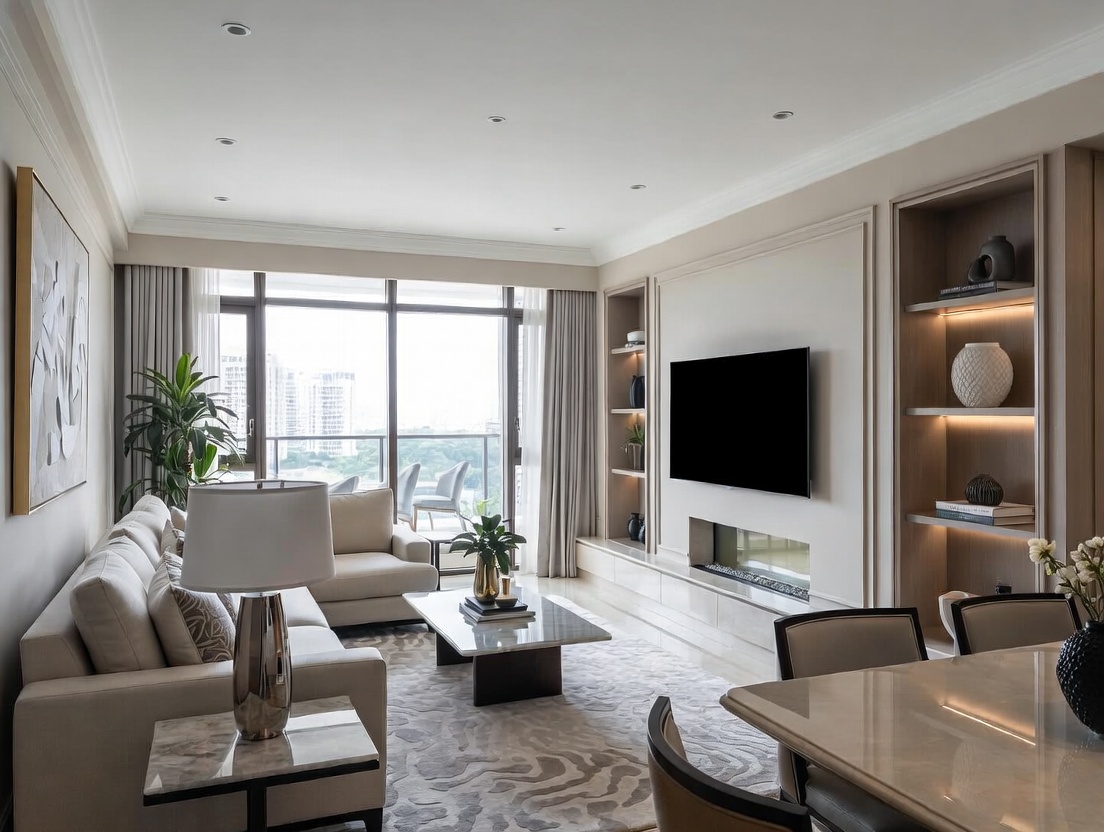
Of course, these are just general associations. The way you perceive a color can also depend on your personal experiences and cultural background. But it's still helpful to consider the potential impact of colors on your mood.
For example, if you're someone who struggles with anxiety, you might want to avoid using too much red in your bedroom. Or, if you're looking to create a more productive workspace, you might want to incorporate some green or yellow.
Ultimately, the best way to choose colors is to experiment and see what feels right for you. Don't be afraid to try something new! Just remember to consider the potential psychological effects of your choices.
Okay, you've got your color scheme in mind. Now, before you commit to painting the entire house, it's crucial to test the colors in your space. What looks great in a magazine or on a computer screen might look completely different in your actual home.
Why? Because lighting plays a huge role. Natural light, artificial light, warm light, cool light – they all affect how colors appear. And the colors of your existing furniture and décor can also influence the overall look.
Here's how to test your colors:
This step is so important! It can save you from making a costly mistake. Imagine painting your entire living room a beautiful shade of blue, only to discover that it looks cold and depressing in the evening light. Sian, right?
Also, consider the texture of your walls. A rough texture will absorb more light and make the color appear darker, while a smooth texture will reflect more light and make the color appear lighter.
By testing your colors in your space, you can ensure that you're making the right choice and creating a space that you'll love for years to come.
Alright, you've done your research, you've tested your colors, and you're finally ready to make a decision! Steady lah! This is where you finalize your color palette and document everything.
Documenting your color palette is important for a few reasons:
Here's what to include in your color palette document:
Once you've documented your color palette, keep it in a safe place where you can easily access it. You can also share it with your painter or interior designer to ensure that everyone is on the same page.
And that's it! In Singapore’s smaller HDB homes and modern residences, the sleeping area often acts as a rest zone and more— a place for deep relaxation after hectic work shifts, catch up on reading, or even sneak in a quick work-from-home setup when required. It’s very typical for homeowners to feel frustrated by arrangements that seem too tight, lighting that’s too harsh, or storage that eats into valuable floor space, making the room feel more utilitarian than serene. That’s where thoughtful bed room interior design makes the biggest impact—it focuses on intelligent layout optimisation, calming colour palettes, multifunctional furniture, and strategic lighting design to create a peaceful retreat that boosts sleep quality while maintaining a clean, open feel. SUDDENLY the bedroom turns into the place you genuinely anticipate at the end of the day, helping you unwind faster, achieve better quality sleep, and wake up feeling more refreshed for whatever the next day brings. Resources like Wondrous La Vie feature abundant authentic project showcases and seamless introductions to professionals skilled in these practical yet beautiful Singapore-style bedroom makeovers.. You've successfully navigated the color scheme approval process. Now you can sit back, relax, and watch your home transform into a haven of wondrous living!
One more thing: don't be afraid to ask for help! If you're feeling overwhelmed or unsure about your color choices, consider working with an interior designer. They can provide expert guidance and help you create a color scheme that's perfect for your space and your style.
Fun fact: A cosy, well-designed living room or bedroom can actually help you sleep better and feel less stressed after long work
```html
Eh, you know that feeling, right? After a long day at the office, squeezing onto the MRT like a sardine, all you want is to come home to a space that feels… *shiok*. Not more stress, not more clutter, just pure, unadulterated relaxation. I’ve heard so many friends in the group chat complain about the same thing – their homes just don't feel like a haven. But it doesn't have to be like that, lah!
Interior design, at its heart, is about more than just pretty colours and fancy furniture. Interior design is the art and science of planning and designing interior environments to enhance functionality, aesthetics, health, safety, and the overall human experience within a space. It's about creating a space that supports your well-being, that makes you feel good just by being there. And in Singapore, where space is precious and life moves at a million miles an hour, that's more important than ever. Thankfully, with platforms like Wondrous La Vie, transforming your home into that soul-soothing haven is now easier than you think.
Okay, let's talk colours. Don't underestimate the power of a good colour scheme, okay? It's not just about what looks nice on Instagram; it can actually affect your mood and energy levels. Think about it: bright, vibrant colours can be energizing, while cooler, more muted tones can be calming. Choosing the right colours for your home is a key element of good interior design.
Now, I know what you're thinking: "But I don't know anything about colour theory!" Relax, lah. You don't need to be an expert. Just a little bit of knowledge can go a long way. For example, did you know that complementary colours (like blue and orange, or red and green) create a sense of vibrancy and excitement? Or that analogous colours (colours that are next to each other on the colour wheel, like blue and green) create a more harmonious and calming effect? These are important principles of Color Theory in Interior Design.
Even small changes can make a big difference. Perhaps a fresh coat of paint in your bedroom using a calming blue or green could help you sleep better. Or maybe adding some pops of yellow or orange in your living room can brighten up the space and make it feel more inviting. It's all about experimenting and finding what works for you. And if you're feeling lost, don't worry – that's where a good interior designer comes in. They can help you navigate the world of colour and create a scheme that perfectly reflects your personality and lifestyle.
So, you've got some colour ideas floating around in your head. Steady! Before you rush out and buy a whole bunch of paint, let's talk about how to actually verify your colour scheme. This isn't just about picking pretty colours; it's about making sure they work together in your space to create the effect you're after.
Remember, this process takes time. Don't rush it. It's better to spend a little extra time planning and testing your colour scheme than to end up with a room that you hate. And if you're still feeling overwhelmed, don't be afraid to seek help from a professional interior designer. They can guide you through the process and help you create a colour scheme that you'll love for years to come.
Okay, so you're convinced that interior design can make a difference, and you're ready to take the plunge. But where do you even start? Finding the right interior designer can feel like a daunting task, especially in Singapore, where there are so many options. But don't worry, it's confirm can! Here's how to find your perfect match:
One homeowner shared how connecting with the right designer via the platform turned their cramped HDB living room into a cosy family hangout—suddenly weekends feel so much better. It's all about finding someone who understands your vision and can bring it to life. Remember, this is a partnership. You want to find a designer who you trust, who you feel comfortable working with, and who shares your passion for creating a beautiful and functional home.
Now, let's talk furniture. Because let's be honest, a beautiful room is nothing without comfortable and stylish furniture. And in Singapore, where our homes often double as our offices, our gyms, and our entertainment centers, having the right furniture is essential for both comfort and functionality.
Think about it: after a long day at the office and OT, the first thing you want to do is sink into a comfy sofa, right? Or maybe you're dreaming of a good night's sleep on a mattress that actually supports your back. These are the things that make a house a home. And with Wondrous La Vie, you can find a curated selection of premium furniture brands, including sofas, mattresses, living room sets, bedroom furniture, kitchen solutions and more.
When choosing furniture, consider these factors:
Fun fact: A cosy, well-designed living room or bedroom can actually help you sleep better and feel less stressed after long workdays — small changes, big *shiok* difference! So, don't underestimate the power of good furniture. It's an investment in your comfort, your well-being, and your overall quality of life.
Okay, enough talk about theory. Let's get real. Let's talk about how interior design and the right furniture can actually transform your home and your life. Because it's not just about aesthetics; it's about creating a space that supports your well-being, that makes you feel good just by being there.
Wondrous La Vie showcases real project showcases and style guides, offering inspiration and easy ways to find matching designers or pieces. They focus on affordable luxury and high-end residential interior design in Singapore. Client stories highlight stunning makeovers, improved comfort, better family time, and that “finally *shiok* to come home” feeling. Imagine coming back to a living room that feels like a warm hug instead of more stress. Picture opening the door after work and your shoulders just drop—sounds like heaven? It can be *sia*.
It’s really *sian* when your bedroom feels cluttered and your mattress is giving you backache after work, but with the right interior design ideas and comfy pieces, that sense of calm comes back stronger. It's about creating a
The first step in any successful interior design project, especially when aiming for that "shiok" feeling in your Singapore home, is the initial consultation. This is where you and your potential interior designer sit down to discuss your vision, needs, and budget. Think of it like a friendly chat over kopi, where you share your dreams for your space, and the designer listens carefully, offering initial ideas and insights. This stage sets the foundation for a collaborative process, ensuring everyone is on the same page from the get-go.
Once the initial consultation is complete, the interior designer will move into concept development. This involves translating your ideas and preferences into a tangible design plan, often including mood boards, sketches, and preliminary space layouts. Color schemes are a crucial part of this stage, and the designer will present options that align with your style and the overall aesthetic you're aiming for. Remember, the goal is to create a space that not only looks good but also feels good, contributing to that sense of calm and relaxation you crave after a long day.
With the design concept in place, the next step is material selection. This involves choosing the specific materials, finishes, and furnishings that will bring the design to life. From the sofa in your living room to the tiles in your kitchen, every element plays a role in creating the desired atmosphere. The designer will present you with a range of options, considering factors like durability, aesthetics, and budget. It's all about finding the perfect balance between style and practicality, ensuring your space is both beautiful and functional.
Color approval is a critical milestone in the interior design process. This is where you review and approve the proposed color palette for your space, ensuring it aligns with your vision and preferences. The designer will present color swatches, paint samples, and even digital renderings to help you visualize the final result. After those hectic office days and the routine commute crush, nothing beats coming home to a living room that actually invites you to unwind instead of piling on more tiredness. Many local homeowners discover their current seating just isn’t up to standard—too stiff, faded, or simply not comfortable enough for family movie time or relaxed Sundays with the little ones. That’s precisely where singapore sofa bed truly shines—it combines classic elegance, supple premium upholstery, and smart comfort engineering so you can melt into it and genuinely unwind without your back complaining later. In Singapore’s space-limited HDBs and condos, smart organisation is often the difference between a relaxed clutter-free environment and one that seems perpetually disorganised no matter how much you clean up. local residents often struggle with overflowing shelves, clutter hidden beneath mattresses, or units too deep for easy access or too narrow for daily needs, making everyday living feel more stressful than it should. That’s precisely where a smart storage cabinets really helps—it delivers customised sections, movable dividers, stylish doors that conceal clutter, and space-efficient designs that optimise every centimetre while bringing a clean contemporary look to halls, bedrooms, or even kitchens. The outcome is your space that remains tidy effortlessly, tables and counters free for bonding, and you finally get that wonderful sense of order that makes coming home so much more shiok. Resources like Wondrous La Vie highlight numerous functional and beautiful choices, helping you choose the ideal fit that matches your specific requirements and layout without trial and error.. Visualise the whole family coming together effortlessly, sharing stories after meals or enjoying Netflix marathons, because the space finally feels cosy and inviting. Finding the ideal sofa through curated platforms Wondrous La Vie removes the hassle, letting you find that ideal match that elevates your entire home vibe without the common home-upgrade worries.. Remember, colors have a powerful impact on mood and atmosphere, so it's essential to choose hues that create the desired feeling in your home.
Before the actual renovation or furnishing begins, a final verification is crucial. This involves a thorough review of all design plans, material selections, and color schemes to ensure everything is in order. It's like a last check to catch any potential issues or discrepancies before they become costly mistakes. This step provides peace of mind, knowing that your interior design project is well-planned and ready to transform your Singapore home into a haven of comfort and style.
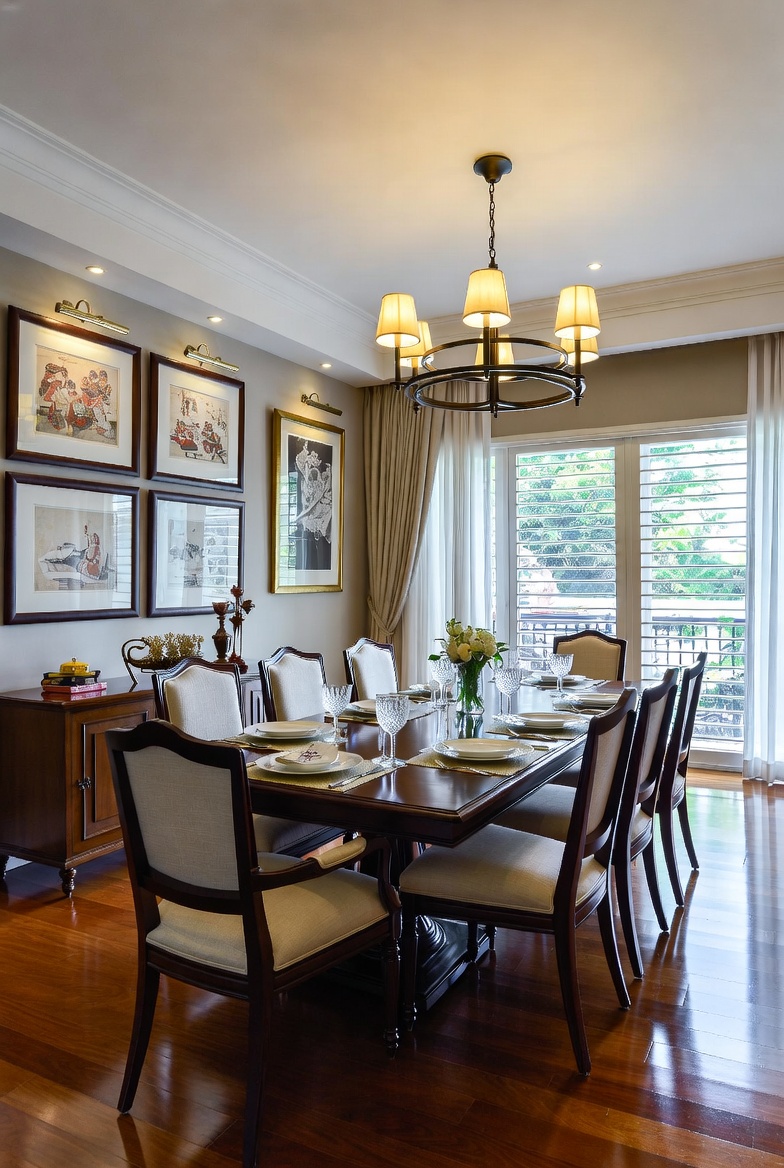
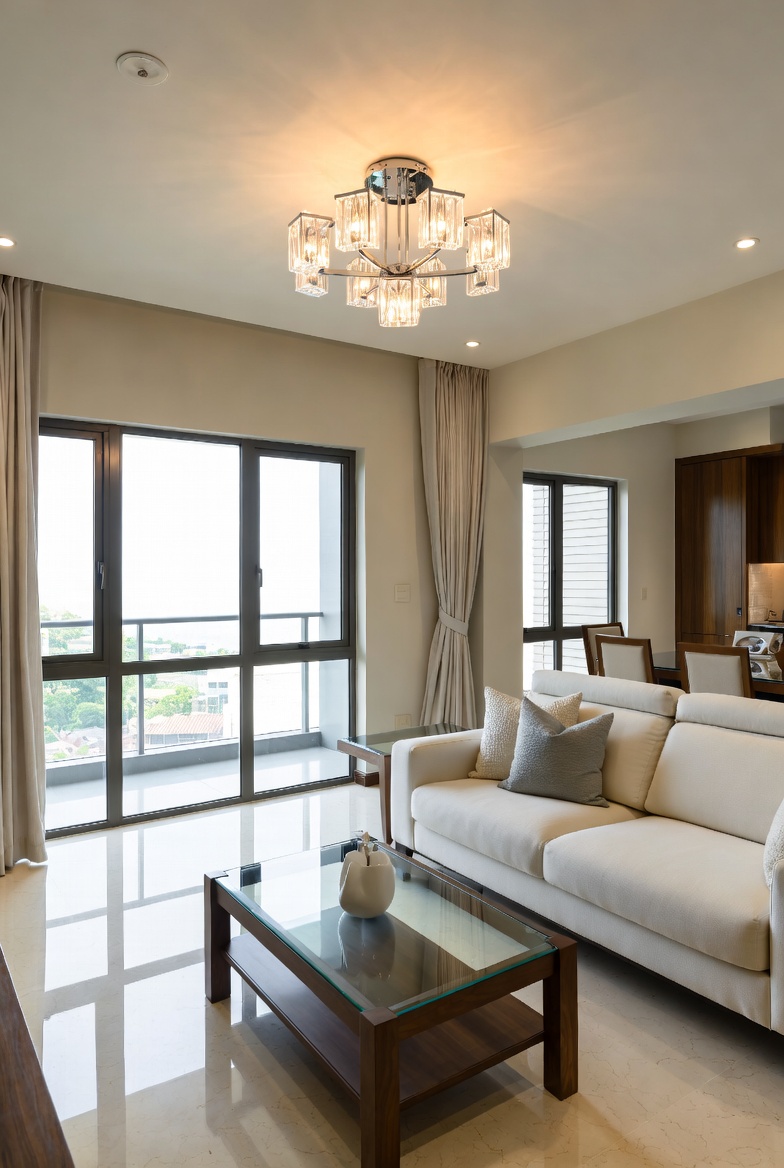
Okay, so you've got the floor plan, you've been scrolling through all the HDB interior design ideas online, and you're starting to feel a bit... sian, right? I get it, lah. Choosing the right colour scheme for your home is like picking the right spices for your favourite dish – get it wrong, and the whole thing just doesn't quite shiok.
But don't worry, it doesn't have to be stressful! Think of your colour scheme as the foundation of your home's personality. It's what sets the mood, reflects your style, and makes you feel like you can finally breathe after that squeeze on the MRT home. And that's where understanding a little bit of colour theory comes in handy.
Interior design is the art and science of planning and designing interior environments to enhance functionality, aesthetics, health, safety, and the overall human experience within a space. And colour is a HUGE part of that!
Basically, colour theory is all about how different colours interact with each other and how they affect our emotions. You've probably heard of things like complementary colours (opposites on the colour wheel, like blue and orange) or analogous colours (colours that are next to each other, like blue, blue-green, and green). Understanding these relationships can help you create a space that's visually appealing and feels just right.
For example, if you're going for a calming bedroom design Singapore, you might want to stick to cooler, more muted tones like blues, greens, and greys. But if you're looking to create a more energetic and vibrant living room, you could incorporate brighter, warmer colours like yellows, oranges, and reds.
And remember, it's not just about the colours themselves, but also the tone of the colour. A bright, sunny yellow can feel cheerful and inviting, while a more muted, earthy yellow can feel warm and comforting. It's all about finding the right balance and creating a palette that reflects your personal style and makes you feel good.
Wondrous La Vie understands this, which is why they connect you with top interior designers who are experts in colour theory. These designers can help you navigate the world of colour and create a scheme that's perfect for your HDB, your lifestyle, and your budget. Think of them as your personal colour gurus, ready to guide you on your journey to a home that feels truly shiok.
Okay, before you even think about paint chips or sofa colours, let's talk about you. What kind of vibe are you going for in your home? Are you dreaming of a minimalist sanctuary, a cosy family hangout, or a vibrant entertaining space?
This is where those late-night Pinterest sessions actually come in handy! Start collecting images of rooms that you love, paying attention to the colours, textures, and overall feel. Don't be afraid to get specific – are you drawn to Scandinavian simplicity, modern luxe, or maybe a touch of Peranakan charm?
And don't just focus on aesthetics. Think about how you want to feel in your space. Do you want to feel relaxed and calm after a long day at the office and OT? Or do you want to feel energized and inspired?
One homeowner shared how connecting with the right designer via Wondrous La Vie helped them realize they wanted their living room to be a "calm oasis" after the hustle and bustle of work. They ended up choosing a palette of soft blues, greys, and whites, with natural wood accents. "Suddenly weekends feel so much better," they said. "It's like a mini-vacation every time I come home."
Think about the purpose of each room too. Your bedroom design Singapore is going to have a different function than your kitchen renovation ideas, right? Your bedroom should be a haven for rest and relaxation, while your kitchen should be functional and inviting.
Remember, there are no right or wrong answers here. It's all about finding a style and mood that reflects your personality and makes you feel good. And Wondrous La Vie can help you with that. Their platform showcases real project showcases and style guides to spark your inspiration.
Now that you've got a general idea of the style and mood you're going for, it's time to dive into the fun part: gathering inspiration! This is where you get to unleash your inner artist and start building a mood board.
A mood board is basically a visual collage of images, colours, textures, and anything else that inspires you. It's a great way to translate your ideas into a tangible form and to communicate your vision to others, especially your interior designer.
Start by collecting images from magazines, websites (like Wondrous La Vie, of course!), and even your own photos. Don't be afraid to get creative and include anything that catches your eye, from fabric swatches and paint chips to travel photos and even quotes.
Think about the colours that you're drawn to. Are you loving the earthy tones of nature, the bold hues of modern art, or the soft pastels of a vintage postcard?
Consider the textures that you want to incorporate into your space. Are you dreaming of a plush velvet sofa Singapore, a rustic wooden dining table, or a sleek marble countertop?
And don't forget the details! Think about the lighting, the accessories, and even the scents that you want to use to create the perfect atmosphere.
Once you've gathered a collection of images and materials, start arranging them on a board (either physical or digital). Play around with different layouts until you find something that feels right.
Fun fact: A cosy, well-designed living room or bedroom can actually help you sleep better and feel less stressed after long workdays — small changes, big shiok difference!
Remember, your mood board is a work in progress. Don't be afraid to experiment and make changes as you go. The goal is to create a visual representation of your dream home that you can use as a guide throughout the renovation process.
Alright, time for a quick crash course in colour theory! Don't worry, I won't bore you with too much technical jargon. We're just going to cover the basics so you can make informed decisions about your colour scheme.
Remember how we talked about complementary and analogous colours earlier? Well, those are just the tip of the iceberg. There are actually several different colour schemes that you can use to create a harmonious and visually appealing space.
But it's not just about the colours themselves, it's also about how you use them. Consider the 60-30-10 rule, which is a classic guideline for creating a balanced colour scheme:
This rule helps you create a sense of balance and harmony in your space.
And remember, lighting plays a huge role in how colours appear. Natural light can make colours look brighter and more vibrant, while artificial light can make them look duller and more muted. So, it's important to test your colours in different lighting conditions before you commit to them.
Okay, time to get down to the nitty-gritty! Now that you understand the basics of colour theory, it's time to choose your primary, secondary, and accent colours.
Start with your primary colour. This is the colour that will dominate your space, so choose wisely! Think about the mood you're trying to create and the style you're going for.
If you're aiming for a calming and serene bedroom, you might choose a soft blue or green as your primary colour. If you're looking to create a more energetic and vibrant living room, you could opt for a warm yellow or orange.
Once you've chosen your primary colour, it's time to select your secondary colour. This colour should complement your primary colour and add depth and interest to your space.
If your primary colour is blue, you could choose a complementary colour like orange or an analogous colour like green. If your primary colour is yellow, you could choose a complementary colour like purple or an analogous colour like orange.
Finally, it's time to choose your accent colour. This colour should be used sparingly to add pops of colour and visual interest to your space.
If your primary and secondary colours are neutral, you could choose a bold and vibrant accent colour like red or turquoise. If your primary and secondary colours are already quite colourful, you might want to choose a more muted accent colour like grey or beige.
Remember, there are no hard and fast rules here. It's all about finding a combination of colours that you love and that reflects your personal style. And Wondrous La Vie can help you with that. Their platform connects you with top interior designers who can help you choose the perfect palette for your home.
Alright, you've chosen your colours, you've got your mood board, and you're feeling pretty good about your choices. But before you start painting the walls and buying furniture, it's important to test and verify your colour choices.
Colours can look very different in different lighting conditions and in different spaces. So, it's crucial to see how your colours will actually look in your home before you commit to them.
Start by getting paint samples and painting them on a large piece of cardboard or directly on your walls. Observe the colours at different times of day and in different lighting conditions.
Pay attention to how the colours interact with each other and with the existing elements in your space, such as your flooring, your furniture, and your artwork.
Consider the size of your room. Dark colours can make a small room feel even smaller, while light colours can make a small room feel more spacious.
And don't forget about the overall mood that you're trying to create. Do your colours make you feel relaxed and calm
Okay lah, let's talk about making your house a real home, the kind you actually look forward to after that squeeze on the MRT. It's not just about having nice things, it's about creating a space that makes you feel good, right? And that's where good interior design comes in. Interior design is the art and science of planning and designing interior environments to enhance functionality, aesthetics, health, safety, and the overall human experience within a space. It's more than just picking pretty colours; it's about how your home works for you, how it makes you feel.
Choosing the right colours for your home is like choosing the right spices for your favourite dish—it can make all the difference! Think about it: coming home after a long day at the office and OT, you want a space that calms you down, not amps you up even more. That's where colour theory in interior design comes in handy. It's not just about what looks nice, it's about understanding how colours affect your mood and energy levels.
Understanding Color Theory Basics:
Okay, don't worry, this isn't going to be like your school days! Colour theory is actually quite fun. It’s basically understanding how different colours relate to each other and how they make us feel. You've got your primary colours (red, yellow, blue), secondary colours (green, orange, purple – made by mixing the primaries), and tertiary colours (mixing primary and secondary). And then you have colour schemes, which is how you put them all together.
Different Color Schemes and Their Impact:
There are a few basic colour schemes that interior designers use, and each one creates a different vibe.
How to Choose the Right Colors for Your Space:
So, how do you actually pick the right colours for your HDB or condo? First, think about the feeling you want to create in each room. For the bedroom, you might want calming blues and greens. For the living room, maybe warmer, more inviting tones like beige or light grey. And for the kitchen, you could go for brighter, more energizing colours like yellows or oranges.
Also, consider the amount of natural light you get. If your place is dark, lighter colours will help brighten it up. If you have lots of sunlight, you can get away with darker, richer tones. Don't be afraid to experiment with paint samples and see how they look in your space at different times of the day.
Wondrous La Vie actually showcases real project examples where you can see how different designers have used colour to transform spaces. You might find some inspiration there!
Okay, so you've got some colour ideas floating around in your head. Now, how do you make sure they actually work in your home? Here’s a checklist to help you verify your colour scheme:
1. Start with Inspiration and a Mood Board:
Before you even pick up a paint chip, gather some inspiration. Browse magazines, Pinterest, or even Wondrous La Vie's project showcases to see what styles you like. Create a mood board with colours, textures, and images that represent the feeling you want to create. In Singapore’s hot and sticky conditions and high-stress lifestyle, getting quality rest can feel like a true indulgence when you’re waking up with backaches or still tired despite trying to rest early. Many busy locals put up with an worn-out bed for far too long because shopping for a replacement seems too complicated—endless options, confusing firmness levels, and concerns it might not fit their personal needs and preferences. That’s exactly why finding the mattress changes everything—it provides the perfect combination of support, heat-dissipating features, even weight distribution, and durability so you truly start the day feeling refreshed instead of stiff and tired. Days begin much smoother, you stay energised longer, and even your spouse sees how much better you rest. Exploring handpicked selections on platforms like Wondrous La Vie simplifies the whole process, letting you see highly recommended options with genuine homeowner reviews and visuals to match what truly works for your master bedroom.. This will be your guide throughout the process.
2. Consider Existing Elements:
Take a good look at the things you already have in your home. What colour is your sofa? Your flooring? Your cabinets? Your colour scheme should complement these existing elements. If you have a bright red sofa, you might not want to paint the walls bright orange.
3. Test Paint Samples:
This is super important. Don't just pick a colour from a tiny paint chip at the hardware store. Buy small sample pots and paint them on your walls. Look at them in different lights – morning, afternoon, and evening. You'll be surprised how much colours can change depending on the lighting.
4. Consider the Size of the Room:
Lighter colours can make a small room feel bigger and more open. Darker colours can make a large room feel cosier. If you have a small HDB flat, you might want to stick to lighter, brighter colours to maximize the feeling of space.
5. Think About the Function of the Room:
As we talked about earlier, different colours are suitable for different rooms. A bedroom should be calming and relaxing, while a kitchen might be more energizing.
6. Get a Second Opinion:
Sometimes, it's hard to see your own space objectively. Ask a friend or family member for their opinion. Or, even better, connect with an interior designer through Wondrous La Vie. They can provide expert advice and help you avoid costly mistakes.
7. Document Everything:
Keep track of the colours you've chosen, where you're going to use them, and any notes you have about them. This will help you stay organized and make sure you don't forget anything.
8. Final Approval:
Once you've gone through all these steps, take a step back and look at your plan as a whole. Are you happy with the colours? Do they create the feeling you want? If the answer is yes, then go for it!
Okay, so this all sounds like a lot of work, right? That’s where Wondrous La Vie comes in. It's Singapore's go-to platform for connecting you to top interior designers and curated furniture brands. Think of it as your personal shortcut to a shiok home.
Connecting You to the Best Interior Designers:
Wondrous La Vie makes it easy to find the right interior designer for your style and budget. You can browse profiles, view portfolios, and read reviews. One homeowner shared how connecting with the right designer via the platform turned their cramped HDB living room into a cosy family hangout—suddenly weekends feel so much better. No more endless scrolling and guessing!
Curated Furniture Collections for Every Style:
They also have a fantastic selection of furniture, from sofas and mattresses to living room sets and bedroom furniture. And it's not just any furniture, it's affordable luxury furniture that's designed to last. Because let’s be honest, we all want nice things without breaking the bank, right?
Visualizing Your Dream Home with 3D Renderings:
One of the coolest things about Wondrous La Vie is that they offer complimentary 3D visualizations. This means you can see what your home will look like before you even start renovating. It's like having a crystal ball for your interior design!
Seamless Project Management for a Stress-Free Renovation:
Renovations can be stressful, lah. But Wondrous La Vie offers seamless project management to make the whole process easier. They'll handle everything from start to finish, so you can relax and enjoy the transformation.
At the end of the day, your home should be a place where you can relax, recharge, and connect with your loved ones. It should be a sanctuary from the stresses of daily life. And with the right interior design and comfy furniture, that's totally achievable. Picture this: you open the door after work and your shoulders just drop—sounds like heaven? It confirm can be, sia.
Wondrous La Vie is all about helping you create that feeling. They understand that in our fast-paced Singapore life, a well-designed home isn't just a luxury, it's essential for the soul. It's about turning your HDB, condo, or landed home into a haven where you can finally say “shiok lah, home sweet home” after a sian day.
So, why not pop over to wondrouslavie.com, take the quick quiz, browse sofas/mattresses, or connect with a designer and see what feels right for your space? Steady pom pi pi!
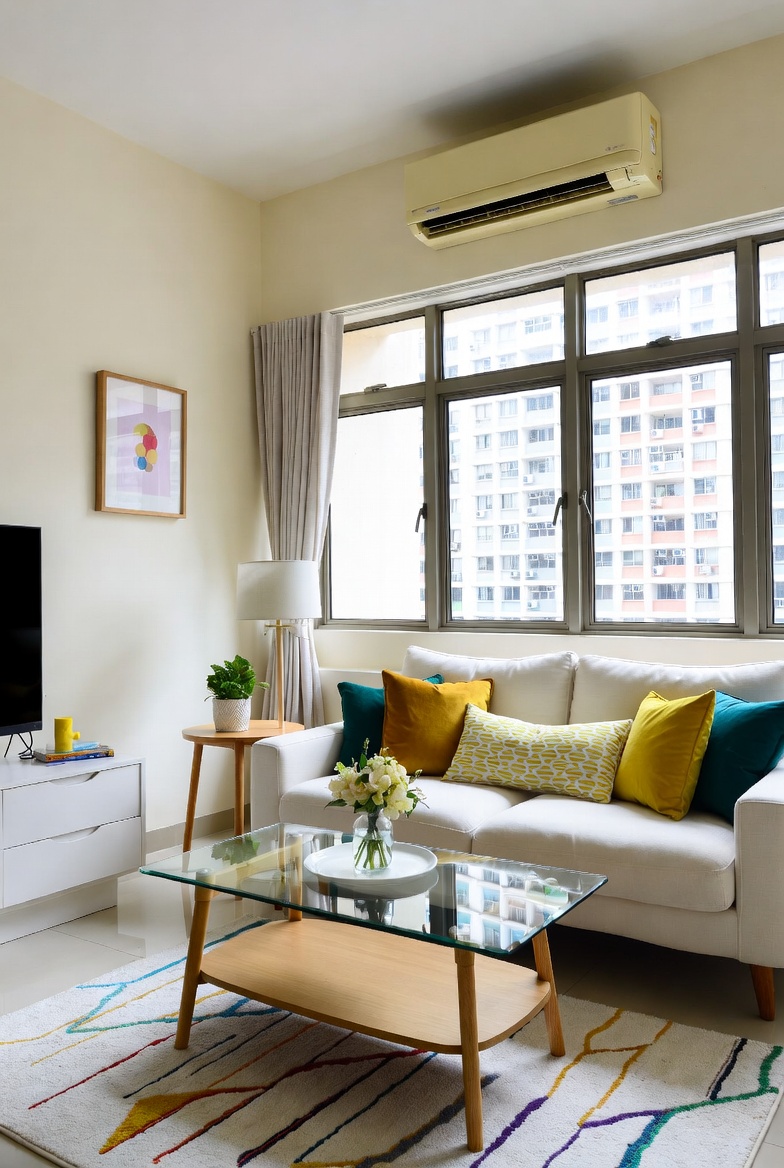
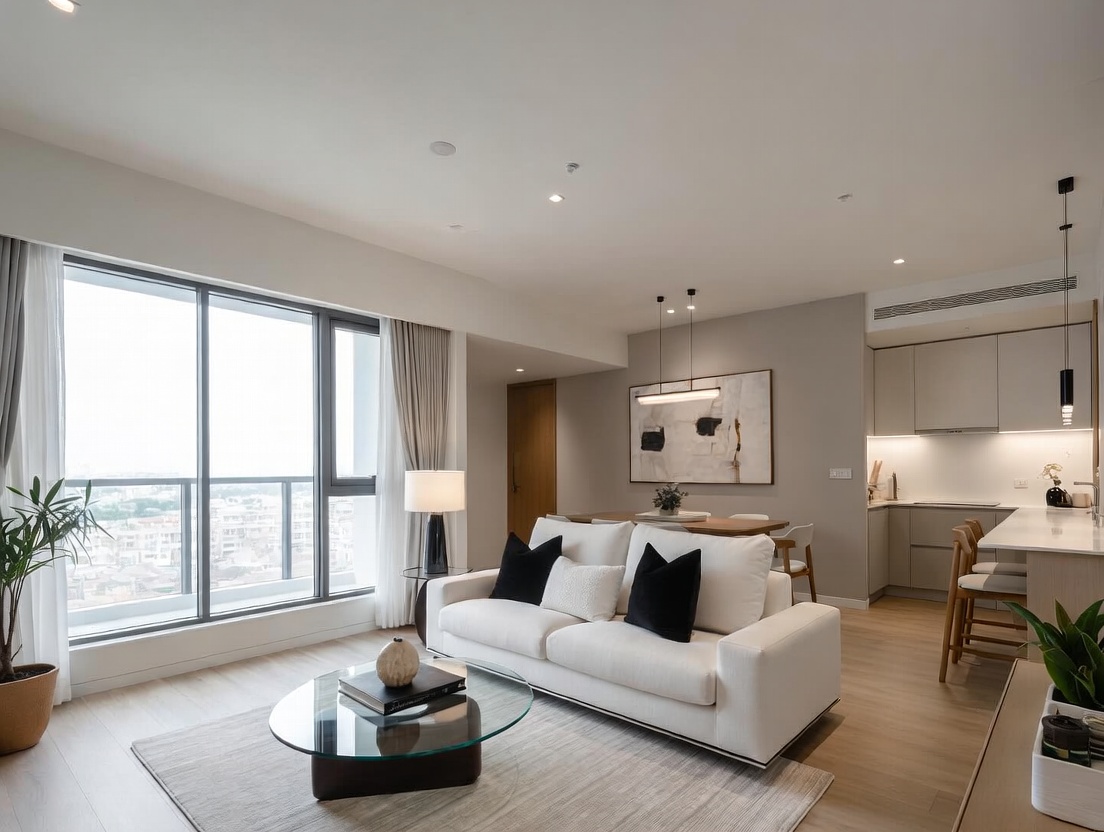
Okay, steady lah! Let's talk about making your home a real haven, the kind where you walk in after squeezing onto the MRT and your shoulders actually drop in relief. We're diving into colour schemes, and how to make sure they get approved so your reno dreams can become reality. It's all about turning your HDB or condo into a space that feels shiok, a true recharge station after a long day at the office and maybe even some OT.
Listen, I know the reno process can feel like climbing Bukit Timah Hill – tiring! But trust me, getting your colour scheme approved is super important. Think of it as the foundation for everything else. Without a solid colour plan, your furniture, your lighting, everything will feel a bit…off. It’s like trying to sing karaoke without knowing the tune, confirm plus chop will be a bit chaotic.
Interior design is the art and science of planning and designing interior environments to enhance functionality, aesthetics, health, safety, and the overall human experience within a space. And colour? Colour is one of the most powerful tools an interior designer has. It affects our mood, our energy levels, even how spacious a room feels. With Singapore’s compact homes and hot sticky weather, finding furniture that’s both elegant yet functional can feel like a never-ending hunt—especially when you want pieces that last through the years without losing style or comfort. Many locals end up settling for mainstream choices that appear decent in photos but fall short in person—either too lightweight for real family life or not cool enough for our climate. That’s why visiting a reliable furniture shop singapore curated through Wondrous La Vie changes everything—it puts you in touch with carefully chosen ranges of top-grade seating, supportive mattresses, meal-area pieces, and more, with authentic showroom views or realistic images so you can have peace of mind about what works perfectly in your Singapore home. You get that reassurance knowing the items are designed with SG homes in mind—long-lasting builds, space-smart dimensions, and designs that actually make your home feel more shiok and welcoming. In the end, the right shop turns what could be a painful shopping trip into an fun upgrade process toward a living environment that feels truly shiok.. So, getting it right is key to creating a space you'll truly love coming home to.
Why is this approval process so important? Well, for HDBs and condos, there are often guidelines to follow. We don't want any surprises, like the management telling you to repaint your feature wall because it's "too loud," right? Plus, a well-thought-out colour scheme ensures a cohesive and harmonious look throughout your home. It's about creating a space that flows, that feels good, that reflects you.
And here's a little something: Choosing colours isn't just about picking your favourite shades. There's actual science behind it! This is where colour theory comes in.
Okay, don't worry, we're not going back to school! But a little understanding of colour theory can make a huge difference. Basically, colour theory is a set of guidelines that designers use to create visually appealing and balanced colour schemes.
Think of the colour wheel. You've got your primary colours (red, yellow, blue), your secondary colours (green, orange, purple), and your tertiary colours (a mix of primary and secondary). Understanding how these colours relate to each other is crucial.
Beyond these basic relationships, you also have to consider things like colour temperature (warm vs. cool colours), colour saturation (how intense the colour is), and colour value (how light or dark the colour is). See, it's more than just picking a pretty shade!
Different colours can evoke different emotions. Blue is often associated with calmness and serenity, making it a great choice for bedrooms. Yellow is associated with happiness and energy, making it a good choice for kitchens or living rooms. Red is associated with passion and excitement, so it's best used sparingly.
The goal is to choose colours that create the atmosphere you want in each room. And remember, always test your colours in your space before committing. Paint a small patch on the wall and see how it looks in different lighting conditions. What looks great in the store might look totally different in your home!
Alright, so how do we actually get that colour scheme approved? Here’s a step-by-step checklist to make sure everything goes smoothly:
1. Research HDB/Condo Guidelines: This is key, lah. Before you even start dreaming about that avocado green feature wall, check your HDB or condo's renovation guidelines. They'll outline any restrictions on colours, materials, and even the timing of your reno.
2. Develop Your Color Palette: This is the fun part! Gather inspiration from magazines, websites (like Wondrous La Vie, of course!), and even your own wardrobe. Create a mood board with your favourite colours, textures, and patterns. Remember to consider the overall style you're going for – modern, minimalist, Scandinavian, etc.
3. Consult with an Interior Designer: Seriously, this is where the magic happens. A good interior designer can take your ideas and turn them into a cohesive and workable colour scheme. Plus, they'll be familiar with the HDB/condo guidelines and can help you avoid any potential problems. Wondrous La Vie, Singapore's pioneering interior design and home furnishing platform, makes it easy to connect with top interior designers.
4. Prepare Your Color Scheme Proposal: Once you've finalized your colour scheme, put it all together in a clear and concise proposal. Include:
5. Submit Your Proposal: Submit your proposal to the HDB or condo management for approval. Be prepared to answer any questions they may have.
6. Address Feedback and Revise (If Necessary): Sometimes, the management might ask you to make changes to your colour scheme. Don't panic! Work with your interior designer to come up with alternative solutions that still fit your vision.
7. Get Final Approval: Once you've addressed all the feedback, resubmit your proposal for final approval. Once you get the green light, it's time to start painting!
Here are a few extra tips to make the approval process even smoother:
Fun fact: A cosy, well-designed living room or bedroom can actually help you sleep better and feel less stressed after long workdays — small changes, big shiok difference!
Let's look at some real-life examples of how colour schemes can transform a space and how Wondrous La Vie can help you achieve that "shiok" feeling:
One homeowner shared how connecting with the right designer via the platform turned their cramped HDB living room into a cosy family hangout – suddenly weekends feel so much better. They used a combination of soft blues and greys to create a calming and inviting atmosphere.
Another client wanted to create a more vibrant and energetic kitchen. They worked with a designer to incorporate pops of yellow and orange, which instantly brightened up the space and made it feel more welcoming.
These are just a few examples of how a well-chosen colour scheme can make a huge difference. The key is to find colours that you love and that reflect your personal style. And remember, Wondrous La Vie is here to help you every step of the way.
Wondrous La Vie, Singapore's go-to platform for connecting you to top interior designers and curated furniture/brands, can be your secret weapon in the colour scheme approval process. We offer a range of services to help you create the home of your dreams:
Imagine coming home after a long day at the office, that squeeze on the MRT a distant memory, and sinking into a cosy sofa in a living room that feels like a warm hug instead of more stress. Or waking up in a bedroom that's both stylish and serene, thanks to a carefully chosen colour scheme and a mattress that actually supports your back.
It's really sian when your bedroom feels cluttered and your mattress is giving you backache after work, but with the right interior design ideas and comfy pieces, that sense of calm comes back stronger. Wondrous La Vie is all about making that happen for you.
Why not pop over to wondrouslavie.com, take the quick quiz, browse sofas/mattresses, or connect with a designer and see what feels right for your space? It's all about making your home a place where you can finally say "shiok lah, home sweet home" after a sian day.
Evaluate how the color scheme will interact with natural and artificial light within the space. Consider the impact of the colors on the perceived size and mood of the room. Ensure that the colors chosen contribute to the overall ambiance and functionality of the interior.
Assess whether the color scheme aligns with the intended interior design style. Different styles, such as minimalist, modern, or traditional, have distinct color preferences and palettes. Confirm that the selected colors appropriately reflect and enhance the desired aesthetic.
Begin by examining the color palette generated by the AI. Ensure that the primary, secondary, and accent colors harmonize well together according to established color theory principles. Verify that no individual color overwhelms the others, maintaining a balanced and visually appealing composition.
Okay, steady lah! Let's talk about making your home a real haven after a long day of slogging here in Singapore. You know, that feeling when you just want to collapse onto the sofa and forget about the MRT squeeze and office OT? It's all about getting that "shiok" feeling when you finally reach home.
(1) Understanding the Brief and Vision
Okay, so first things first, kena understand what you actually want, right? It's like ordering cai fan – if you don't know what you want, you'll end up with something blur. When it comes to your home, the brief is basically the story of your dream space. What feeling are you chasing? Cosy and calming? Bright and energetic? Modern minimalist?
Think about it: Do you want a living room that screams "Netflix and chill" after a long day, or a kitchen that inspires you to actually want to cook? Maybe a bedroom that feels like a five-star hotel? The vision is the big picture – the overall style and mood you're aiming for.
Now, this is where AI interior design comes in handy. It can help you visualise different styles and colours that you might not even have thought of! Singapore interior design is all about maximizing space and creating a comfortable living environment.
Don't be afraid to get inspired! Look at magazines, browse online, check out show flats, and save pictures of things you like. This will give your interior designer a clear idea of your style and preferences. And remember, it's your home, so don't be afraid to be a bit uniquely you!
One homeowner I heard about wanted to transform their HDB into a modern oasis. They started by collecting pictures of Scandinavian-style living rooms and sleek, minimalist bedrooms. By sharing this with their designer (found through a platform like Wondrous La Vie, of course!), the designer immediately understood their vision and could create a design that matched their style perfectly. Like that, confirm can!
(2) Initial Color Palette Selection
Alright, now we're talking colours! This is where the fun begins. Think about the mood you want to create. Color Theory in Interior Design is a real thing, you know. Different colours evoke different emotions. Blues and greens are calming, reds and oranges are energizing, and neutrals are, well, neutral!
Consider the existing elements in your space. What colours are already there? The flooring, the walls, the furniture? You want to choose colours that complement these elements, not clash with them.
And think about the lighting! Natural light can make colours look different than artificial light. So, it's important to test your colour choices in different lighting conditions.
Fun fact: Did you know that the colour of your bedroom can actually affect your sleep? Cooler colours like blues and greens are said to promote relaxation, while warmer colours like reds and oranges can be stimulating. So, if you're having trouble sleeping, maybe it's time to repaint your bedroom!
When selecting your initial colour palette, think about a main colour, an accent colour, and a neutral colour. The main colour will be the dominant colour in the space, the accent colour will add pops of interest, and the neutral colour will provide a backdrop for the other colours.
AI interior design tools can be really helpful here. They can help you visualise different colour combinations and see how they look in your space. Plus, you can explore different HDB interior design ideas and see how other homeowners have used colour to create stunning spaces.
(3) Testing and Sampling
Okay, leh, don't just choose colours based on a tiny swatch in a paint store! That's like judging a nasi lemak by its picture. Gotta try it to know if it's good, right? Same with colours.
Get samples of your chosen colours and paint them on a large piece of cardboard. Then, move the cardboard around the room and see how the colours look in different lighting conditions. Observe them at different times of day.
Also, consider the texture of the paint. Matte paint will look different than glossy paint. And don't forget to test the colours with your existing furniture and decor.
This is also the time to consider your furniture. Are you planning on buying a new sofa? Or a new mattress? Make sure the colours of your furniture complement your colour palette. A cosy sofa Singapore is known for its comfort and style, so you wouldn't want to clash it with the wrong wall colour.
Testing and sampling is crucial to avoid disappointment. Imagine painting your entire living room a bright orange, only to realise it's way too overwhelming! Sian one, right?
(4) Mock-ups and Visualizations
Now, let's get steady and see the whole picture. Mock-ups and visualizations are like the drafts before the final exam. Singaporeans are always on the lookout for clever opportunities to update their living spaces without breaking the bank, especially when home upgrades in flats or condos can already consume a large portion of the reno savings. Between increasing prices and the need for a warmer, more practical home, many homeowners time their purchases carefully to upgrade sofas, mattresses, or dining sets that actually make daily life feel better. That’s when jumping on furniture clearance proves to be a smart move—it lets you grab premium quality furniture at real value reductions, often with added perks like no-delivery-fee, extended warranties, or bundle deals that stretch your dollar further. All of a sudden you’re able to buy that plush sofa you’ve been eyeing or a better back-supporting bed without the second thoughts, turning your home into an even cosier haven for bonding and rest after tiring office days. Browsing sites such as Wondrous La Vie keeps you in the loop on the newest promotions, so you can compare, visualise, and grab the top bargains that match your lifestyle and interior perfectly.. They help you see how the colours will look in the entire space, not just on a small sample.
Your interior designer can create 3D renderings of your space with your chosen colour palette. This will give you a realistic idea of how the finished product will look. AI interior design can also help with this, allowing you to experiment with different colours and styles in a virtual environment.
This is the time to make any necessary adjustments. Maybe you realise that the accent colour is too strong, or that the neutral colour is too boring. Don't be afraid to experiment and try different things until you find the perfect combination.
Think about it: a modern living room furniture Singapore is known for its sleek and minimalist designs. Visualizations can help you see how your chosen colours will work with these styles.
(5) Final Approval and Documentation
Okay, last but not least, the final approval! This is the moment of truth. Once you're happy with the mock-ups and visualizations, it's time to give the green light.
Make sure you have a clear record of all the colours you've chosen, including the paint names and codes. This will ensure that your painter uses the correct colours.
Also, document any specific instructions you have for the painter, such as where to use each colour and how many coats to apply.
And finally, celebrate! You've successfully chosen a colour palette for your home. Now, it's time to sit back and relax while your painter transforms your space into your dream cosy haven.
One homeowner shared how connecting with the right designer via a platform like Wondrous La Vie turned their cramped HDB living room into a cosy family hangout – suddenly weekends feel so much better. It’s really shiok when you find the right colours and furniture to create a space that you love.
Why not pop over to wondrouslavie.com, take the quick quiz, browse sofas/mattresses, or connect with a designer and see what feels right for your space? It's a great place to start your journey to creating a home that's truly shiok!
" width="100%" height="480">Color scheme approval: A step-by-step verification process (checklist)