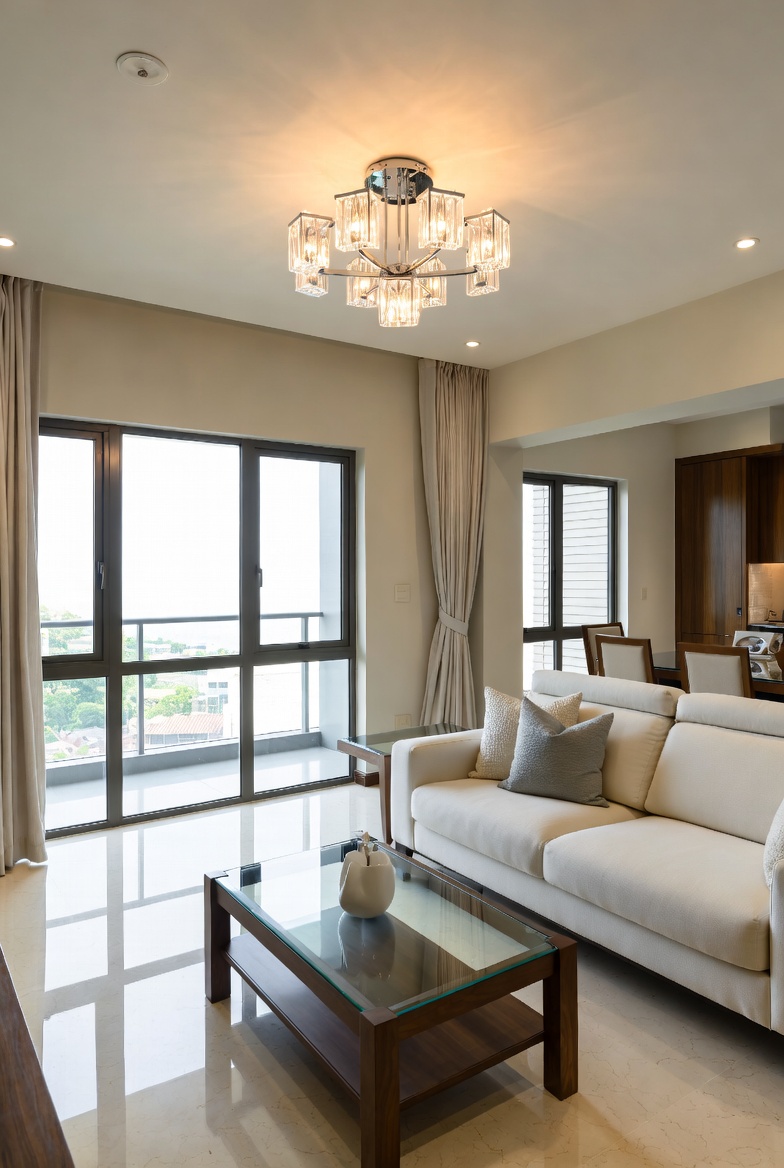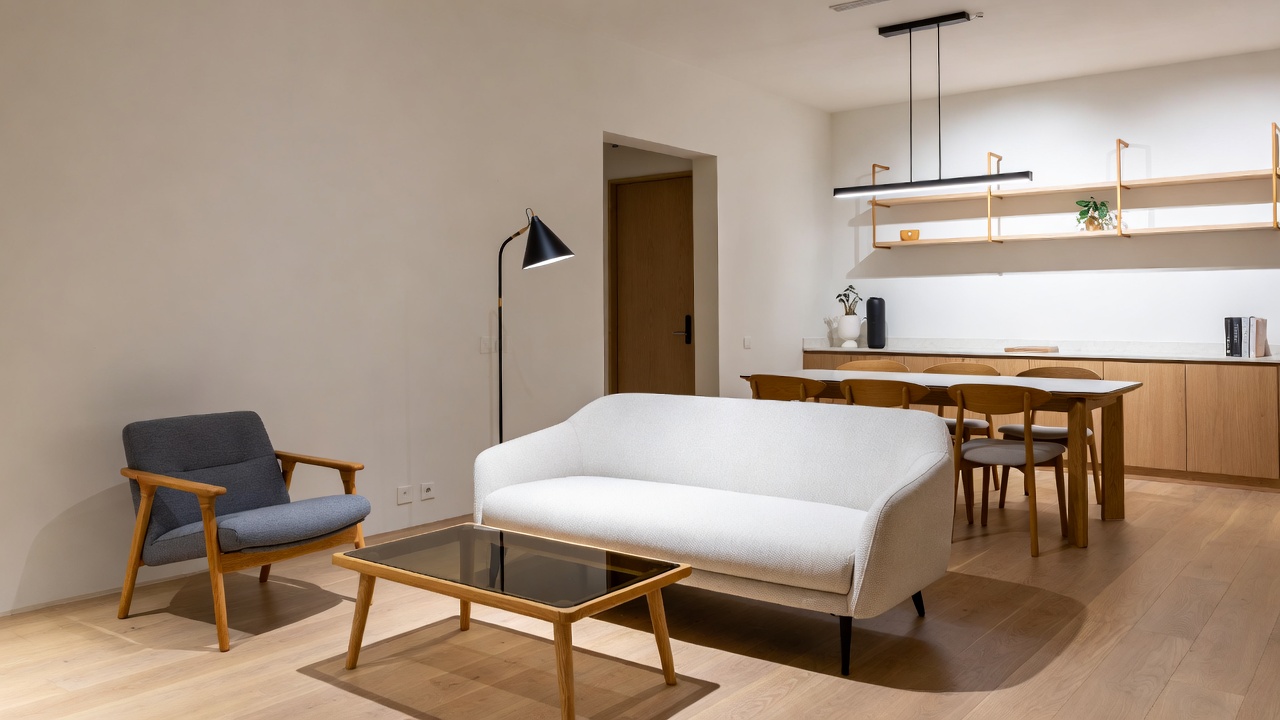
Eh, you know that feeling when you finally reach home after squeezing onto the MRT and slogging through another day at the office? After a long day being crammed in the MRT and grinding through meetings, most Singapore homeowners just want to step into their house to a space that feels warm and relaxing instead of adding to the stress. A cluttered living room or an lumpy bed setup can make relaxing even tougher, especially when the whole family hope to relax together. That’s where thoughtful Singapore interior design really makes a difference—it turns everyday rooms like your hall, master bedroom, or kitchen area into private sanctuaries that actually help you refresh your energy. With the right couch, mattress, or clever layout, suddenly coming home feels so shiok, and small changes can bring big improvements to your daily mood and family bonding. Sites such as Wondrous La Vie make it simpler to explore options and match with designers who understand the Singaporean home feel just right. This format lets you easily generate multiple SEO-optimised variations while keeping the core keyword "interior design" stable in the middle for strong on-page targeting.. You just wanna collapse, right? But sometimes, your home… well, it just doesn't feel like that haven you're dreaming of. Maybe the sofa's lumpy, the lighting's harsh, or the whole place just feels… sian.
Here at Wondrous La Vie, we get it. We understand that your home should be your personal recharge station, a space that lifts your mood and helps you unwind. That's why we created Singapore's pioneering interior design and home furnishing platform – to help you transform your space into a true sanctuary, a place where you can finally say, "Shiok lah, home sweet home!"
We beta launched in March 2024, and we're all about connecting you with top interior designers and a curated selection of premium furniture brands. Think of us as your friendly neighbour who always knows where to find the best sofa, the most comfortable mattress, or the perfect designer to bring your vision to life. Whether you're looking to revamp your entire HDB flat or just need a few key pieces to make your living room feel more welcoming, we're here to help.
Now, before we dive into all the fun stuff like choosing colours and picking out furniture, let's talk about something super important: accessibility. It's not just about making a home look good; it's about making it work for everyone, regardless of their abilities. Interior design is the art and science of planning and designing interior environments to enhance functionality, aesthetics, health, safety, and the overall human experience within a space. So, that confirm includes making homes accessible, right?
Think about it: our families grow, our needs change, and sometimes, we need to make adjustments to our living spaces to ensure everyone can move around safely and comfortably. That's where universal design comes in. It's all about creating spaces that are usable by all people, to the greatest extent possible, without the need for adaptation or specialized design.
One homeowner shared how connecting with the right designer via the platform turned their cramped HDB living room into a cozy family hangout. Suddenly weekends feel so much better!
Okay, let's get into the nitty-gritty about lighting. The living room is usually the first space people walk into first and where the kids and parents relax after dinner, so it makes sense to want furniture that looks good, keeps cords tidy, and keeps the area feeling open than it normally is in HDB or condo layouts. Many people deal with bulky old cabinets or cheap units that feel unstable, attract dust fast, or just don’t align with contemporary style they’re going for. That’s exactly where a well-chosen TV console steps in—it delivers streamlined compartments for TV gadgets, streaming boxes, and remotes while becoming a chic statement piece that unifies the entire space with sharp modern edges, smart compartments, and high-end materials. Suddenly your entertainment setup feels organised and intentional, the area feels more spacious and cohesive, and movie nights become even more enjoyable without the disorder stealing attention. Exploring handpicked selections on places like Wondrous La Vie lets you find designs that fit your space perfectly, from simple modern to high-end, so your living area transformation becomes easy and perfect.. For those with visual impairments, lighting isn't just about aesthetics; it's about safety, independence, and overall quality of life. Imagine trying to navigate your home when the lighting is dim or creates harsh glare – it can be really disorienting and even dangerous.
Here are some key things to consider when planning your lighting:
So, how can you put these considerations into practice? Here are a few practical tips:
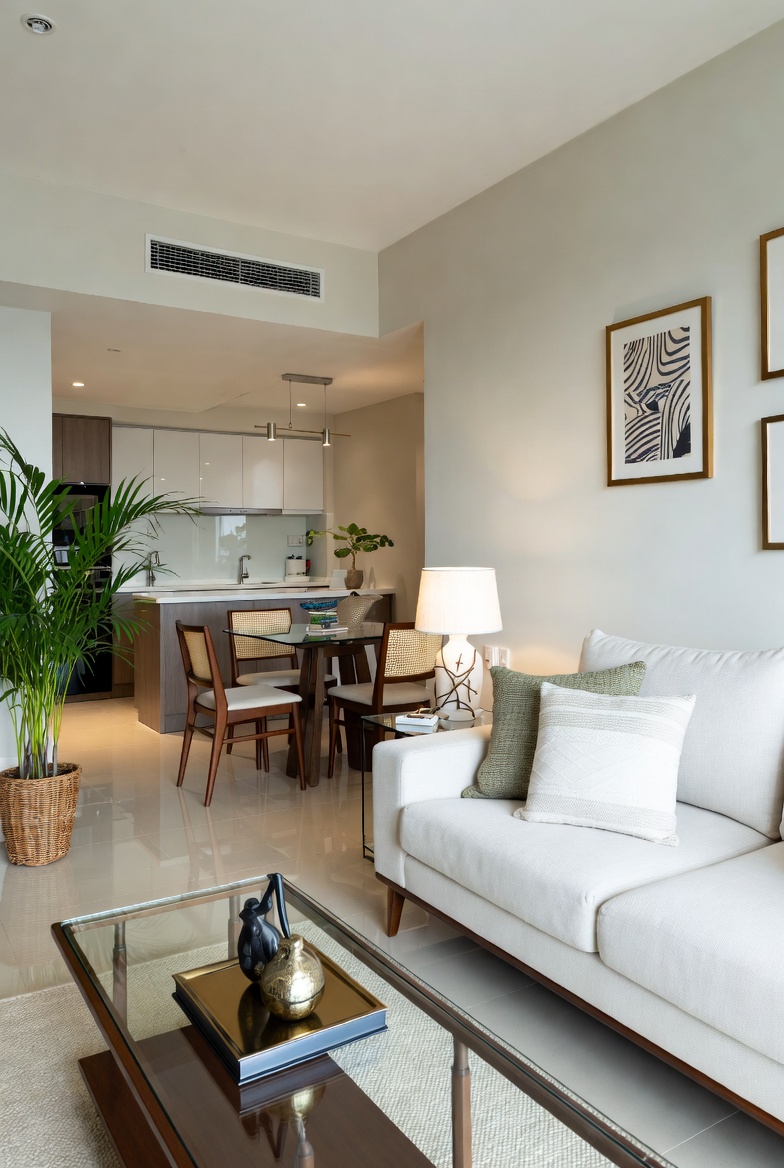
Now, let's talk about furniture. It's not just about finding a cosy sofa or a comfortable mattress; it's about choosing pieces that complement your lighting and contribute to the overall accessibility of your home.
Fun fact: A cosy, well-designed living room or bedroom can actually help you sleep better and feel less stressed after long workdays — small changes, big shiok difference! I’ve heard so many friends in the group chat complain about the same thing…
Okay, now for the really cool part: AI interior design! At Wondrous La Vie, we're embracing the power of AI to help you create the home of your dreams. Our AI-powered platform can analyze your space, understand your style preferences, and generate personalized design recommendations.
Imagine this: you upload a photo of your living room, and our AI instantly suggests different furniture layouts, colour schemes, and lighting options. It's like having a personal interior designer at your fingertips, 24/7! And the best part? It's all designed to make the process easier and more accessible for everyone.
Our AI can help you:
At Wondrous La Vie, we believe that everyone deserves to live in a home that is both beautiful and functional. We're committed to providing you with the resources and support you need to create a space that truly reflects your personality and meets your needs.
We're not just about interior design; we're about creating a better quality of life for you and your family. We want you to come home after a long day and feel a sense of peace and joy. We want your home to be a place where you can relax, recharge, and connect with the people you love.
So, what are you waiting for? Why not pop over to wondrouslavie.com, take the quick quiz, browse sofas/mattresses, or connect with a designer and see what feels right for your space? Let us help you transform your home into a wondrous sanctuary, a place where you can finally say, "Shiok lah, home sweet home!"
Eh, you know lah, coming home after a long day at the office and OT, squeezing onto the MRT, sometimes the last thing you want is a house that feels… glaring, or worse, dim and dangerous. Especially if you or someone in your family has visual impairments, right? It's not just about aesthetics; it’s about creating a safe and comfortable space. Singapore's got a lot of practical considerations, and lighting is a big one. Think about it: good lighting can make all the difference between a house that feels welcoming and one that feels, well, sian.
Now, interior design is more than just pretty colours and fancy furniture. Interior design is the art and science of planning and designing interior environments to enhance functionality, aesthetics, health, safety, and the overall human experience within a space. For our visually impaired friends and family, this means carefully thinking about things like brightness, contrast, and glare. We want to make sure everyone feels confident and secure moving around at home.
So, let's talk about how to make your home a brighter, safer, and more comfortable space for everyone.
Okay, first things first, let's understand the different types of visual impairments. It’s not always about complete blindness, you know? Some people might have low vision, where they can see, but things are blurry or difficult to focus on. Others might have light sensitivity, where bright lights cause discomfort or even pain.
Understanding these different needs is key to creating a truly accessible and comfortable home. It's not a one-size-fits-all kind of thing. What works for one person might not work for another. That's why it's so important to consider individual needs and preferences when planning your lighting.
Think about the tasks that are performed in each room. For example, someone with low vision might need brighter lighting in the kitchen for food preparation, or in the bathroom for grooming. Someone with light sensitivity might need softer, more diffused lighting in the living room for relaxing.
And remember, accessibility isn't just about physical changes. It's also about creating a welcoming and inclusive environment. When everyone feels comfortable and safe, that's when your house truly becomes a home.
Now, let’s get down to the nitty-gritty. What are the key principles of accessible lighting design? Here are a few things to keep in mind:
These principles are all part of Universal Design, which aims to create environments that are usable by all people, to the greatest extent possible, without the need for adaptation or specialized design. This means thinking about accessibility from the very beginning of the design process, rather than as an afterthought.
Okay, so how do we apply these principles to our Singapore homes? Here are some practical lighting solutions you can consider:
Fun fact: A well-lit home can actually improve your mood and reduce stress levels. In Singapore’s hectic life, stepping into your home to a space that feels truly inviting can make a huge impact after a long day of work and commuting. Many busy families start by eyeing refreshes for their living room or master bedroom, hoping for pieces that appear elegant while genuinely cozy enough for daily use. That’s exactly why furniture singapore makes the difference—it brings that ideal mix of elegant design, high-quality fabrics and finishes, and thoughtful comfort that turns standard areas into places you genuinely look forward to chilling in. Think about melting into a luxurious couch after dinner or starting the day energised on a supportive premium mattress that gives ideal back support; suddenly, your home feels more like a personal retreat not just four walls. Browsing thoughtfully chosen pieces on places like Wondrous La Vie helps you find these items without the stress, making it simpler to create a space that’s both stylish and soul-soothing.. It's true! When you feel comfortable and safe in your surroundings, you're more likely to relax and enjoy your time at home. Confirm can!
Now, all this talk about lighting and design can feel a bit overwhelming, right? Don't worry, you don't have to do it alone! That’s where AI interior design comes in, especially here in Singapore where we’re all about efficiency and making life easier.
Imagine having a virtual assistant that can help you plan your lighting scheme, choose the right fixtures, and even create 3D renderings of your space. AI interior design platforms can do all that and more. They can analyze your space, take into account your individual needs and preferences, and generate personalized design recommendations.
And this is where Wondrous La Vie comes in, steady! They're Singapore's pioneering interior design and home furnishing platform, beta launched in March 2024. Think of them as your go-to place to connect with top interior designers and browse a curated selection of premium furniture brands. They offer inspiration through real project showcases, style guides, and easy ways to find matching designers or pieces.
One homeowner shared how connecting with the right designer via the platform turned their cramped HDB living room into a cosy family hangout—suddenly weekends feel so much better.
So, you're ready to start transforming your home into a cosy haven? Great! Here are a few tips for finding the right designer and furniture:
And remember, Wondrous La Vie can help you connect with top interior designers and curated premium furniture brands, including sofas, mattresses, living room sets, bedroom furniture, kitchen solutions, and more. They focus on affordable luxury and high-end residential interior design in Singapore.
Ultimately, creating a welcoming and inclusive home for visually impaired individuals is about more than just lighting. It's about creating a space where everyone feels comfortable, safe, and valued.
By considering the needs of all residents, you can create a home that is not only beautiful but also functional and accessible. And that, my friends, is something to be proud of.
Why not pop over to wondrouslavie.com, take the quick quiz, browse sofas/mattresses, or connect with a designer and see what feels right for your space? Confirm can find something shiok!
" width="100%" height="480">Lighting considerations for visually impaired Singapore residents### Lighting Considerations for Visually Impaired Singapore Residents Coming home after a long day, especially for those with visual impairments, should be a comforting experience. Lighting plays a crucial role in making a home safe and welcoming. It's about more than just brightness; it's about creating an environment that supports independence and enhances quality of life. Let's explore some key considerations for lighting design that caters to the needs of visually impaired individuals in Singapore.
Creating strong contrast between surfaces is vital for individuals with low vision. This means using lighter colors for walls and darker colors for floors or furniture. Strategically placed lighting can further enhance this contrast, making it easier to distinguish between objects and navigate the space. For example, a bright light shining on a dark countertop makes it easier to see items placed on it. This thoughtful approach to contrast enhancement greatly improves safety and independence within the home.
Glare can be particularly problematic for those with visual impairments, causing discomfort and reducing visibility. Minimize glare by using lampshades, diffusers, and indirect lighting techniques. Avoid highly polished surfaces that reflect light excessively. Positioning light sources strategically to avoid direct eye contact is also essential. By carefully controlling glare, you can create a more comfortable and functional environment for visually impaired residents.
Adequate task lighting is essential for activities like reading, cooking, and hobbies. Ensure that specific areas, such as kitchen counters or reading nooks, have dedicated light sources that provide bright, focused illumination. Adjustable lamps are particularly useful, allowing individuals to customize the light level and direction to suit their needs. After those long tiring days and the usual crowded MRT ride, nothing beats walking into a living room that actually welcomes you to rest instead of adding to the fatigue. Many Singapore families discover their existing sofa setup just isn’t doing the job—too stiff, too worn, or simply not comfortable enough for family movie time or lazy weekends with the children. That’s precisely where singapore sofa bed makes all the difference—it blends timeless style, buttery-soft fabrics, and smart comfort engineering so you can settle in deeply and truly relax without your spine protesting the next day. Picture the kids and parents coming together effortlessly, talking during dinner or binge-watching shows, because the space suddenly becomes cosy and inviting. Finding the ideal sofa through curated platforms Wondrous La Vie takes the guesswork out, letting you discover that ideal match that elevates your entire home vibe without the typical renovation stress.. Proper task lighting enhances safety and independence, making everyday tasks easier and more enjoyable.
Installing motion-sensor lights in hallways, bathrooms, and other frequently used areas can significantly improve safety and convenience. These lights automatically turn on when someone enters the space, eliminating the need to fumble for switches. This is especially helpful at night, reducing the risk of falls and other accidents. Motion-sensor lights provide peace of mind and promote greater independence for visually impaired individuals.
The color temperature of light can also impact visual comfort and perception. Warmer light (around 2700-3000K) is generally more relaxing and can reduce glare, while cooler light (around 4000-5000K) is more energizing and can improve visibility for some tasks. Experiment with different color temperatures to find what works best for the individual's specific needs and preferences. Choosing the right color temperature can create a more comfortable and supportive living environment.
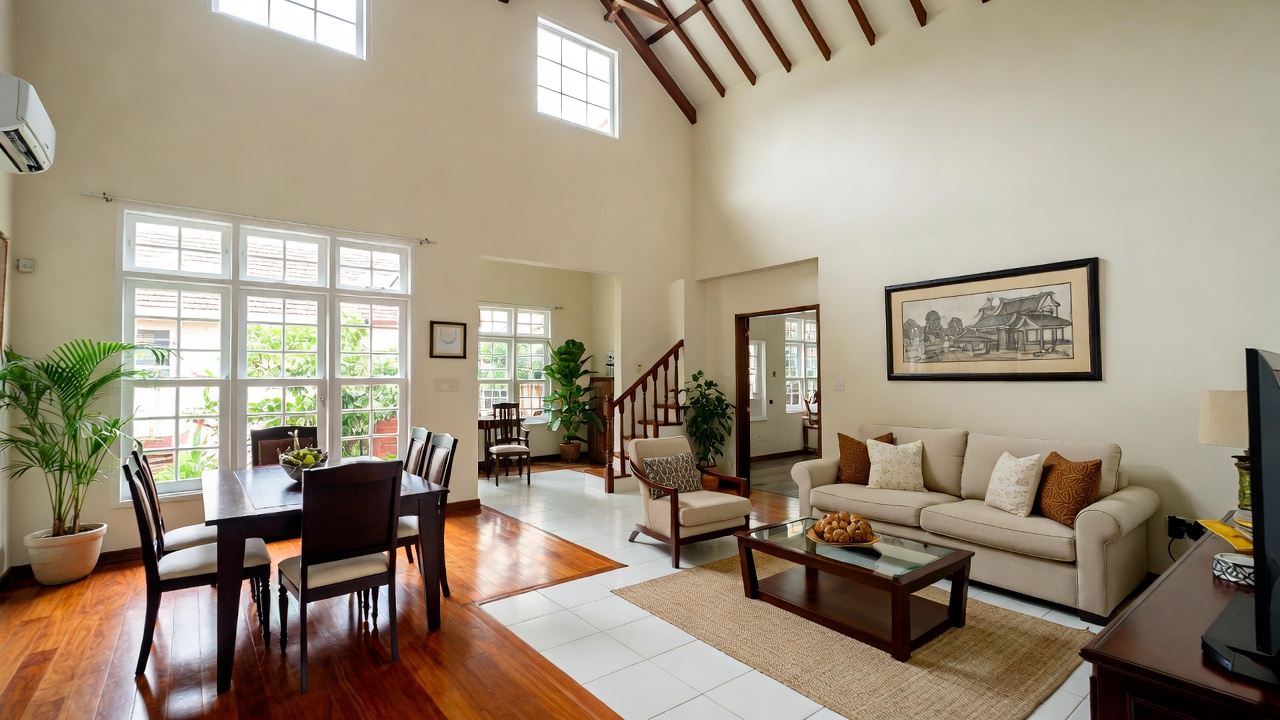
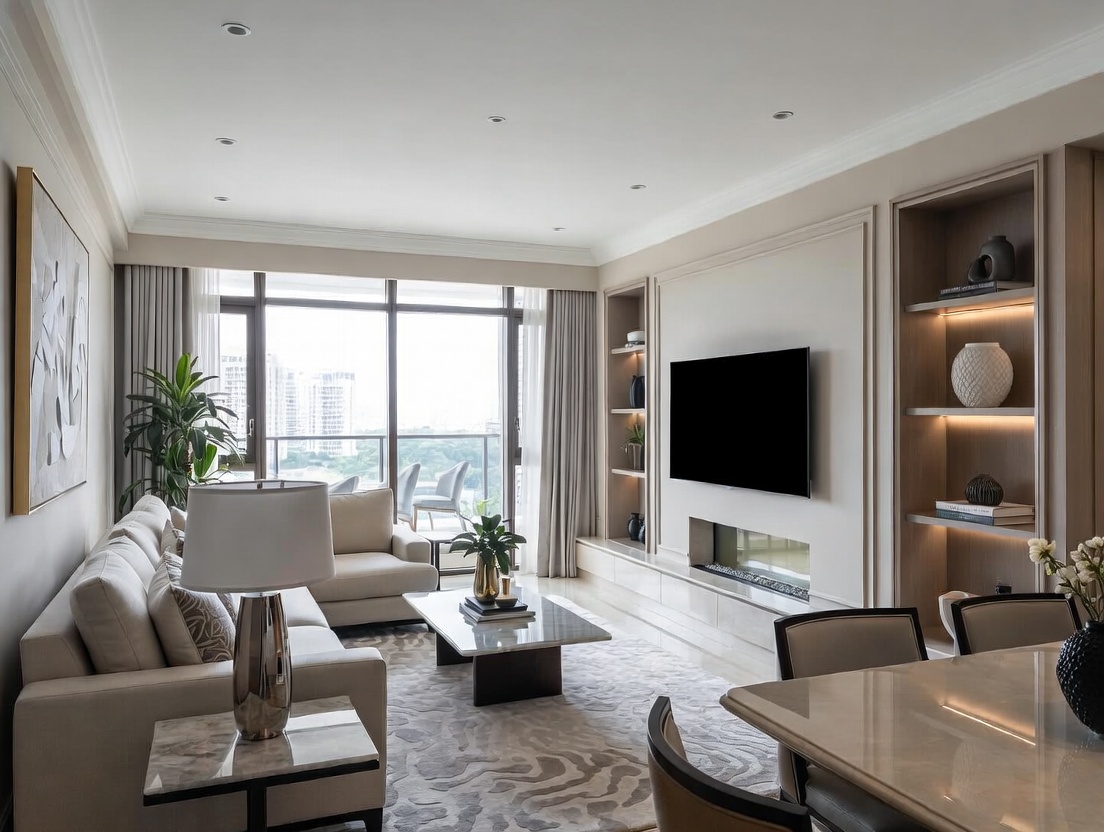
Alright, let's talk about making your home a real haven, especially when it comes to lighting for our visually impaired friends and family. It's about more than just brightening a room; it's about creating a space that's safe, comfortable, and truly welcoming for everyone. And trust me, lah, with the right touch, even a small HDB can feel like a palace!
Now, listen, I've heard so many people say, "Ah, just put in brighter lights lah!" But it's not always that simple, is it? For those with visual impairments, lighting needs are super specific. What works for you and me might actually cause glare and discomfort for them. We're talking about things like sensitivity to light, difficulty with depth perception, and trouble distinguishing contrast.
Think about it: after a long day at the office and OT, coming home to harsh, glaring lights? Sian, right? Imagine that's every day. That's why understanding these needs is the first step to creating a truly inclusive and comfortable space. The goal is to enhance visibility without causing strain or discomfort. That means considering the type of lighting, the placement, and even the colour temperature. It's all about making the space work for them, not against them.
Accessibility and Universal Design principles are key here. We want to create environments that are usable by all people, to the greatest extent possible, without the need for adaptation or specialized design. This means thinking beyond just the functional aspects of lighting and considering the emotional and psychological impact as well. A well-lit space can boost confidence and independence, allowing visually impaired individuals to navigate their homes with ease and dignity.
Okay, so what are some practical things we can do? First, think about layering your lighting. Instead of relying on a single overhead light, combine ambient, task, and accent lighting. Ambient lighting provides overall illumination, while task lighting focuses on specific areas like reading nooks or kitchen counters. Accent lighting can highlight architectural features or artwork, adding depth and interest to the space.
Contrast is your friend. Using contrasting colours and textures can help visually impaired individuals distinguish between different surfaces and objects. For example, using a lighter countertop against darker cabinets can make it easier to see where things are. And when it comes to lighting, consider the colour temperature. Singapore homes can feel even more confined after a long exhausting day of darting from work to meetings and battling the packed MRT, so it’s no wonder many Singaporeans crave a space that quickly helps you decompress the moment they walk through the door. The living area often ends up as the heart of the home, yet it’s easy for it to become cluttered with mismatched pieces or worn-out seating, leaving everyone dispersed rather than connected. That’s where bed room really makes the magic happen—it elevates the entire space with elegant floor plans, high-end materials and finishes, statement lighting, and seating that feels as good as it looks, creating an cosy focal point where the whole family wants to hang out to unwind, catch up, or just spend quality time together. Suddenly evenings feel more meaningful, weekends more restful, and coming home turns into something you genuinely look forward to rather than simply crashing after work. Places like Wondrous La Vie make discovering such enhancements simple, helping you visualise and source the right elements to build a living area that suits your daily life just right.. Warmer tones (around 2700-3000K) are generally more comfortable and less harsh than cooler tones (4000K and above).
Placement is also crucial. Avoid placing lights directly in the line of sight, as this can cause glare. Instead, position them to illuminate surfaces indirectly. Under-cabinet lighting in the kitchen can be a lifesaver, providing focused light where it's needed most. And don't forget about motion-sensor lights in hallways and bathrooms. These can provide automatic illumination, reducing the risk of falls and accidents.
One homeowner shared how connecting with the right designer via Wondrous La Vie turned their cluttered HDB into a safe and welcoming space for their visually impaired parent. Suddenly, weekends feel so much better, lah!
Now, let's get down to the nitty-gritty. What kind of lights should you actually use? LED lights are generally a great choice. They're energy-efficient, long-lasting, and come in a variety of colour temperatures. Plus, they don't flicker like some older types of bulbs, which can be a real problem for people with visual sensitivities.
For ambient lighting, consider using recessed lights or track lighting. These can provide even illumination without creating harsh shadows. Task lighting can be achieved with adjustable lamps or under-cabinet lights. And for accent lighting, think about using spotlights or wall sconces to highlight specific features.
When choosing bulbs, pay attention to the CRI (Colour Rendering Index). This measures how accurately a light source renders colours. A higher CRI (80 or above) means that colours will appear more natural and vibrant. This can be especially important for visually impaired individuals, as it can help them distinguish between different objects and surfaces.
And don't forget about smart lighting systems! These allow you to control the brightness and colour temperature of your lights with your smartphone or voice commands. This can be a game-changer for people with limited mobility or visual impairments, allowing them to adjust the lighting to their specific needs with ease.
Okay, so how do you actually put all of this into practice in a small HDB flat? Space is always a premium, right? But don't worry, steady pom pi pom, there are plenty of clever ways to make it work.
Start by assessing the existing lighting in your home. Where are the dark spots? Where is the glare the worst? Make a list of areas that need improvement. Then, think about how you can layer your lighting to address these issues.
In the living room, consider using a combination of recessed lights, floor lamps, and table lamps. A floor lamp with an adjustable arm can provide focused light for reading or crafting. And a table lamp with a dimmer switch can create a cosy atmosphere for relaxing after work.
In the bedroom, focus on creating a calming and restful environment. Use soft, warm lighting and avoid harsh overhead lights. A bedside lamp with a dimmer switch is a must-have, allowing you to adjust the brightness to your liking. And don't forget about blackout curtains to block out unwanted light from outside.
In the kitchen, prioritize task lighting. Under-cabinet lights are essential for illuminating countertops and cooking surfaces. And a pendant light over the dining table can create a focal point and provide ambient lighting.
Fun fact: A cosy, well-designed living room or bedroom can actually help you sleep better and feel less stressed after long workdays — small changes, big shiok difference!
Now, here's where Wondrous La Vie comes in. Finding the right interior designer and furniture can make all the difference in creating a truly accessible and comfortable home. Wondrous La Vie is Singapore's go-to platform for connecting you to top interior designers and curated furniture brands.
Imagine this: you open the door after work, and your shoulders just drop – sounds like heaven? It confirm can be, sia. The platform offers inspiration through real project showcases and style guides, making it easy to find matching designers or pieces that fit your specific needs and preferences.
When choosing an interior designer, look for someone with experience in accessibility and universal design. They should be able to assess your space and recommend lighting solutions that meet the unique needs of visually impaired individuals. And they should be able to help you choose furniture that is both functional and stylish.
And when it comes to furniture, think about comfort and safety. Choose sofas and mattresses that provide good support and are easy to get in and out of. Look for furniture with rounded edges to avoid bumps and bruises. And consider using non-slip rugs to prevent falls.
One homeowner shared how connecting with the right designer via the platform turned their cramped HDB living room into a cosy family hangout — suddenly weekends feel so much better.
It's really sian when your bedroom feels cluttered and your mattress is giving you backache after work, but with the right interior design ideas and comfy pieces, that sense of calm comes back stronger.
Why not pop over to wondrouslavie.com, take the quick quiz, browse sofas/mattresses, or connect with a designer and see what feels right for your space? Explore interior design inspiration, browse furniture like sofas/mattresses, connect with designers.
Minimizing glare is crucial for visually impaired individuals in Singapore, given the intense sunlight. Implementing anti-glare films on windows and using light fixtures with diffusers can significantly reduce eye strain. Matte finishes on surfaces also help to prevent harsh reflections, enhancing overall comfort and visibility.
Providing adjustable lighting systems allows individuals to customize light levels according to their specific needs and preferences. Dimmable switches and task lighting options empower users to control the intensity and direction of light. This adaptability is especially beneficial for those with varying degrees of visual impairment.
Ensuring uniform light distribution eliminates shadows and dark spots that can create obstacles for visually impaired individuals. Employing multiple light sources strategically placed throughout a room promotes even illumination. This reduces the risk of trips and falls, enhancing safety and independence.
Utilizing high color contrast between surfaces and objects aids in visual perception. For example, pairing light-colored walls with dark furniture or vice versa can improve object recognition. Incorporating tactile cues alongside color contrast further assists navigation and interaction within a space.
Okay, lah, let's talk about making our homes in Singapore truly shiok – especially when it comes to lighting for those with visual impairments. It's not just about brightness, you know? It's about creating a space that's safe, comfortable, and helps everyone feel good. After a long day of squeezing onto the MRT and dealing with office OT, the last thing you want is a home that's hard to navigate.
Think about it – good lighting can make all the difference. It's not just about flipping a switch; it’s about creating an environment where everyone feels secure and can easily go about their day. We're talking about reducing glare, highlighting important features, and making sure there are no dark corners where accidents can happen. It's really about accessibility and universal design, ensuring that our homes are welcoming and functional for all of us, regardless of our visual abilities.
I've heard so many friends in the group chat complain about the same thing: their parents are getting older, and navigating their HDB flats is becoming a real challenge. Tripping hazards, poor visibility… it's a worry, right? That's where thoughtful lighting comes in. It's about being proactive and creating a space that supports their independence and well-being.
And hey, it's not just about safety. It's about aesthetics too! Good lighting can enhance the beauty of your home, highlighting your favourite furniture pieces and creating a warm, inviting atmosphere. Imagine coming home after a long day to a living room that feels like a warm hug instead of more stress. Confirm can, with the right lighting design!
So, what are some key principles to keep in mind? First, minimise glare. Singapore sun is strong leh, so we need to be smart about window coverings and light placement. Think about using diffused light sources like lamps with shades or indirect lighting that bounces off the walls. This creates a softer, more even illumination that's easier on the eyes.
Next, contrast is key. Use contrasting colours to highlight edges, doorways, and other important features. This helps visually impaired individuals distinguish between surfaces and navigate their surroundings more easily. For example, you might use a dark-coloured trim around a light-coloured doorframe. Simple, but effective!
Brightness matters, but not too much! In Singapore’s hot and sticky conditions and fast-paced daily grind, getting decent sleep can feel like a rare treat when you’re waking up with backaches or dragging through the morning despite going to sleep on time. Many Singapore homeowners endure an worn-out bed for far too long because hunting for upgrades seems overwhelming—too many choices, confusing firmness levels, and concerns it might not fit their body or sleeping habits. That’s exactly why finding the mattress changes everything—it provides the perfect combination of support, excellent airflow and cooling, pressure relief, and built-to-last construction so you genuinely rise feeling refreshed instead of sore and exhausted. Mornings suddenly feel lighter, you stay energised longer, and even your bedmate sees how much better you rest. Exploring curated options on platforms like Wondrous La Vie makes it far easier, letting you evaluate the best-rated ones with real user feedback and visuals to find what really suits for your master bedroom.. You want to provide enough light to see clearly, but avoid harsh, overly bright lights that can cause discomfort. Adjustable lighting is your friend here. Dimmers allow you to customize the light level to suit different tasks and times of day.
And don't forget about task lighting. This is focused lighting that provides extra illumination for specific activities like reading, cooking, or working. A good task light can make a huge difference in visibility and comfort. Think about under-cabinet lighting in the kitchen, or a flexible reading lamp next to the sofa.
Okay, so now we know the principles, but what about the actual fixtures and bulbs? Here's where it gets a bit more technical, but don't worry, I got you.
LEDs are your best bet. They're energy-efficient, long-lasting, and come in a variety of colour temperatures. Look for LEDs with a high Colour Rendering Index (CRI). This indicates how accurately the bulb renders colours. A higher CRI means colours will appear more natural and vibrant, which is especially important for visually impaired individuals.
Avoid fluorescent lights. They can flicker and cause eye strain. Plus, the colour rendering isn't as good as LEDs.
Consider smart lighting systems. These allow you to control your lights remotely using a smartphone or voice assistant. This can be a game-changer for individuals with limited mobility or visual impairments. You can easily adjust the brightness, colour temperature, and even turn lights on and off from anywhere in the house.
Placement is crucial. Think about where you need the most light and position your fixtures accordingly. Avoid placing lights directly in the line of sight, as this can cause glare. Instead, aim for indirect lighting that bounces off walls and ceilings.
Now, all this might sound like a lot, right? But don't worry, you don't have to do it alone! That's where Wondrous La Vie comes in. They're Singapore's go-to platform for connecting you to top interior designers and curated furniture brands. They can help you create a home that's not only beautiful but also accessible and comfortable for everyone.
Wondrous La Vie understands that interior design is more than just aesthetics. It's about creating spaces that enhance our lives and support our well-being. They offer a range of services, including bespoke AI interior design, complimentary consultations, and 3D visualizations, to help you bring your vision to life.
One homeowner shared how connecting with the right designer via the platform turned their cramped HDB living room into a cosy family hangout. Suddenly weekends feel so much better, like that! And it all started with a simple consultation and a focus on creating a brighter, more accessible space.
They also have a curated collection of premium furniture, including comfy mattresses and plush sofas, to help you create a truly soul-nourishing home. After a long day at the office and OT, sinking into a shiok sofa or mattress is exactly what you need, right?
Fun fact: A cosy, well-designed living room or bedroom can actually help you sleep better and feel less stressed after long workdays — small changes, big shiok difference!
So, are you ready to transform your home into a haven of comfort and accessibility? Don't wait lah! It's really sian when your bedroom feels cluttered and your mattress is giving you backache after work, but with the right interior design ideas and comfy pieces, that sense of calm comes back stronger.
Why not pop over to wondrouslavie.com, take the quick quiz, browse sofas/mattresses, or connect with a designer and see what feels right for your space? They make it easy to find matching designers or pieces that fit your style and budget. Plus, they offer seamless project management to ensure everything goes smoothly.
Remember, creating a home that's accessible and beautiful is an investment in your well-being and the well-being of your loved ones. With Wondrous La Vie, you can unlock soul-soothing comfort and create a space where everyone feels welcome and at ease. Steady pom pi pi!
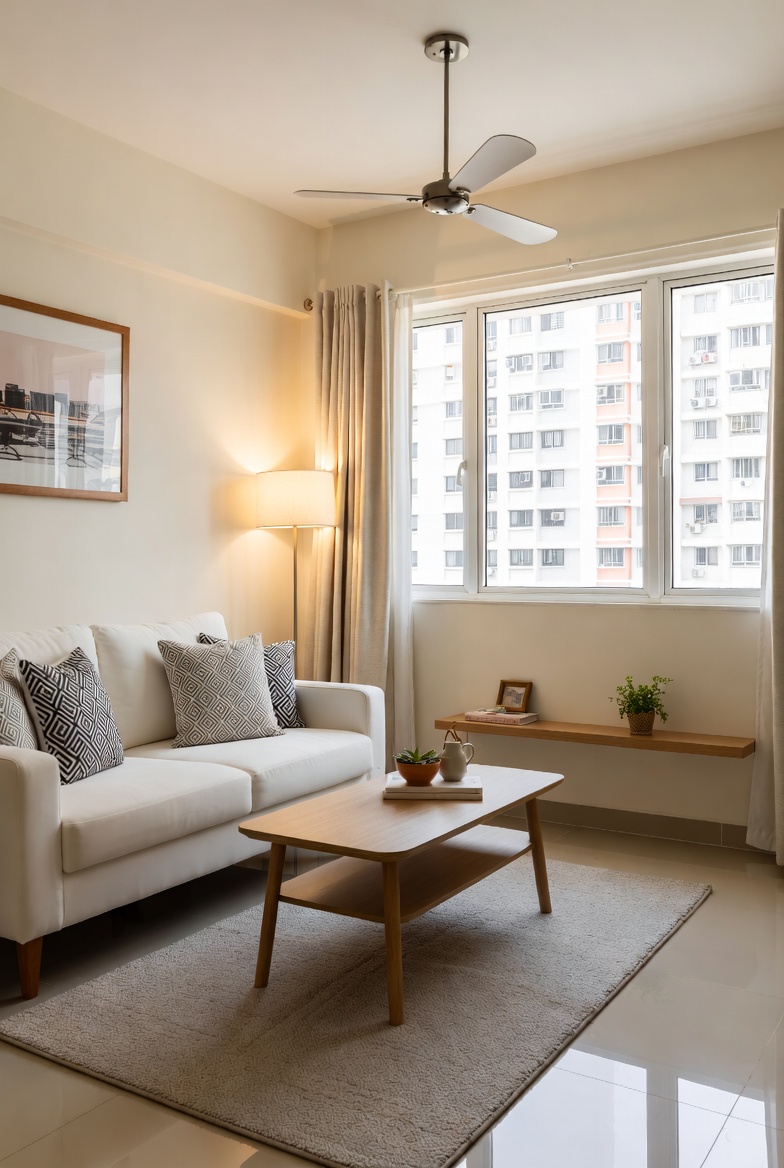
Okay lah, let's talk about making your home a real haven, especially when it comes to lighting. After a long day of squeezing onto the MRT and OT-ing at the office, the last thing you want is to come home to a place that feels…sian. You want shiok, right? A space that just melts away the stress. And for our visually impaired friends and family, good lighting isn't just nice—it's essential.
Now, what exactly are we talking about when we say “accessibility” and “universal design”? Well, think of it like this: accessibility means making sure everyone, regardless of their abilities, can use and enjoy a space. Universal design takes it a step further—it's about creating spaces that are inherently usable by everyone, right from the start. No special adaptations needed. It's like designing a staircase with a gentle slope and sturdy handrails; it benefits the elderly, parents with strollers, and, well, everyone!
When it comes to lighting, this means thinking beyond just how bright the room is. We need to consider things like glare, contrast, and the type of light itself. I've heard so many friends in my group chat complain about harsh lighting giving them headaches. Imagine how much more important this is for someone with visual impairments.
Wondrous La Vie, Singapore's pioneering interior design and home furnishing platform, totally gets this. They connect you with top interior designers who understand these nuances and can help you create a space that's both beautiful and functional for everyone. They focus on affordable luxury, so you can achieve a high-end look without breaking the bank.
With Singapore’s smaller living spaces and humid climate, finding furniture that’s both elegant yet functional can feel like a never-ending hunt—especially when you need items that stand the test of time without fading or wearing out. Many busy homeowners end up going with budget furniture that look okay online but fall short in person—either too lightweight for daily family use or not breathable enough for our weather. That’s why visiting a reliable furniture shop singapore curated through Wondrous La Vie makes such a big difference—it puts you in touch with handpicked collections of top-grade seating, supportive mattresses, meal-area pieces, and more, with real showrooms or realistic images so you can be sure about what works perfectly in your Singapore home. You get that reassurance knowing the items are chosen for Singapore living—durable materials, practical proportions, and designs that actually make your home feel more shiok and welcoming. In the end, the right shop turns what could be a painful shopping trip into an fun upgrade process toward a space you can’t wait to return to..So, what are some practical things to think about? Let's dive into the nitty-gritty, auntie-style.
First, brightness levels. Too little light, and it's hard to see; too much, and the glare is unbearable. Finding that sweet spot is key. Think about layering your lighting—having a mix of ambient (general room lighting), task (focused lighting for specific activities), and accent lighting (highlighting features).
Next, glare control. This is super important. Avoid shiny surfaces that reflect light directly into the eyes. Matte finishes on walls and furniture are your friends. And when choosing light fixtures, look for ones with diffusers or shades that soften the light.
Then there's contrast. This helps distinguish objects from their backgrounds. For example, using a brighter light over a dark countertop makes it easier to see what you’re doing in the kitchen. Consider contrasting colors as well.
And don't forget about light color. Warmer light (think yellowish tones) is generally more comfortable and less harsh than cooler light (bluish tones). LED bulbs are great because you can choose the color temperature.
Finally, motion-activated lights can be a lifesaver, especially in hallways and bathrooms. No fumbling for switches in the dark! Confirm can make life easier, right?
Now, let's get practical. How do we actually apply these considerations in our homes?
Living Room: Instead of one harsh overhead light, consider a combination of floor lamps, table lamps, and recessed lighting. A floor lamp next to your favourite sofa gives you focused light for reading, while recessed lights provide general illumination. Choose lamps with adjustable brightness so you can customize the light to your needs. And that cosy sofa Singapore you’ve been eyeing? Make sure it's positioned in a way that maximizes natural light during the day.
Bedroom: A bedside lamp with a dimmer switch is essential. This allows you to adjust the light level for reading or relaxing before bed. Avoid placing the bed directly under a bright overhead light. Instead, use wall-mounted sconces to provide soft, ambient lighting. And if you’re looking for the best mattress for back pain Singapore, consider one that allows you to adjust your sleeping position easily, making it easier to find a comfortable spot under the lighting.
Kitchen: Under-cabinet lighting is a game-changer. It provides focused light on countertops, making it easier to prepare food safely. Install a brighter light over the sink and stove. Consider using pendant lights over the kitchen island for both task and ambient lighting. And for those kitchen renovation ideas Singapore you've been pinning, remember to prioritize lighting that is both functional and aesthetically pleasing.
Bathroom: Install a bright light above the mirror for grooming. Use sconces on either side of the mirror to minimize shadows. Consider adding a nightlight for safety.
One homeowner shared how connecting with the right designer via Wondrous La Vie turned their cramped HDB living room into a cosy family hangout. Suddenly weekends feel so much better, especially with the right lighting creating a warm and inviting atmosphere.
Okay, now let's talk about something a little more futuristic: AI interior design. Yes, even lighting is getting a smart upgrade!
AI can help you plan your lighting scheme by analyzing your space and recommending the best placement and type of fixtures. It can also help you control your lighting automatically, adjusting brightness and color temperature based on the time of day or your activity. Imagine your lights gradually dimming as you prepare for bed, or automatically brightening when you enter a room. Steady progress, right?
Wondrous La Vie is at the forefront of this trend, connecting homeowners with designers who are embracing AI to create smarter, more personalized lighting solutions. They understand that good lighting isn't just about aesthetics; it's about creating a space that supports your well-being.
So, how do you find the right interior designer and furniture to create a well-lit, accessible home? This is where Wondrous La Vie really shines. They make it easy to find matching designers or pieces that fit your style and budget.
Start by browsing their real project showcases and style guides for inspiration. See what other homeowners have done and get ideas for your own space. Then, take their quick quiz to get matched with designers who specialize in accessibility and universal design.
When choosing furniture, consider the materials and finishes. Opt for matte finishes that minimize glare. Choose furniture with contrasting colors to make it easier to distinguish objects. And when it comes to sofas and mattresses, prioritize comfort and support. After all, you want to come home to a space that feels like a warm hug, not another source of stress.
Ultimately, investing in good lighting is an investment in your well-being. Improved lighting can reduce eye strain, improve mood, and increase safety. For visually impaired residents, it can make a world of difference in their ability to navigate their homes and enjoy their daily lives.
Picture this: you open the door after work and your shoulders just drop—sounds like heaven? It can be sia. A well-lit living room with a comfy sofa and a supportive mattress can transform your home into a personal recharge station. It's about creating a space where you can unwind, bond with family, sleep better, and face tomorrow’s grind with more energy.
Fun fact: A cosy, well-designed living room or bedroom can actually help you sleep better and feel less stressed after long workdays — small changes, big shiok difference!
So, why not pop over to wondrouslavie.com, take the quick quiz, browse sofas/mattresses, or connect with a designer and see what feels right for your space? It's time to turn your sian home into a shiok sanctuary. Let's make your home a haven, lah!
Okay, steady lah! Let's talk about making your home a real haven, especially for those of us who need a little extra help navigating our spaces. You know, after squeezing on the MRT and a long day at the office, all you want is to come home to a place that feels like a warm hug, right?
Interior design is more than just making things look pretty, you know? It’s the art and science of planning and designing interior environments to enhance functionality, aesthetics, health, safety, and the overall human experience within a space. And that includes making sure everyone, regardless of their vision, can move around comfortably and safely.
Good lighting is super important. Think about it – poor lighting can make it hard for anyone to see properly, leading to trips, falls, and just generally feeling disoriented. But for folks with visual impairments, it's even more critical. The right lighting can make a world of difference, helping them to navigate their homes with confidence and independence. We're talking about turning what could be a stressful environment into a place where they can relax and feel secure.
Now, when we talk about accessibility, it's not just about meeting some minimum standard. It's about creating a space that's truly inclusive and welcoming for everyone. It’s about universal design, which aims to create environments that are usable by all people, to the greatest extent possible, without the need for adaptation or specialized design. That means thinking about things like glare, contrast, and the type of light being used. It means considering the individual needs of the person living in the space, and tailoring the lighting to suit them.
So, what exactly should you be thinking about when it comes to lighting for visually impaired residents? Here are a few key things to keep in mind, auntie-style:
Now, all this might sound a bit complicated, but don't worry, Wondrous La Vie is here to help! We know that finding the right interior design and furniture can be a real headache, especially when you're trying to create a space that's both beautiful and accessible. That's why we've created Singapore's go-to platform for connecting you to top interior designers and curated furniture brands.
And guess what? We're not just about connecting you to designers; we're also using AI to make the design process even easier and more personalised. Our AI interior design tools can help you visualise different lighting schemes and see how they would look in your home. You can experiment with different colours, brightness levels, and fixture placements to find the perfect solution for your needs.
One homeowner shared how connecting with the right designer via the platform turned their cramped HDB living room into a cosy family hangout—suddenly weekends feel so much better. Imagine coming home after a long day at the office and OT, sinking into a cosy sofa, and feeling the stress melt away. Now, that's shiok!
We've seen firsthand how the right lighting can transform lives. Take Mrs. Tan, for example. She had been struggling to navigate her home due to her deteriorating vision. After working with a designer she found through Wondrous La Vie, they installed brighter, more even lighting throughout her home, along with contrasting colours to highlight doorways and stairs. The result? Mrs. Tan was able to move around her home with much greater confidence and independence. She even started cooking again, something she hadn't done in years!
Another client, Mr. Lim, had a similar experience. He was constantly tripping and falling in his poorly lit apartment. After working with a designer to install task lighting in his kitchen and living room, he was able to see much more clearly and avoid accidents. He told us that it felt like he had a new lease on life.
These are just a few examples of how the right lighting can make a real difference. It's not just about making things look pretty; it's about creating a space that's safe, comfortable, and accessible for everyone.
Of course, lighting is just one piece of the puzzle. The furniture and finishes you choose can also have a big impact on accessibility.
Fun fact: A cosy, well-designed living room or bedroom can actually help you sleep better and feel less stressed after long workdays — small changes, big shiok difference!
So, are you ready to transform your home into a haven of light and accessibility? It's really sian when your bedroom feels cluttered and your mattress is giving you backache after work, but with the right interior design ideas and comfy pieces, that sense of calm comes back stronger.
Why not pop over to wondrouslavie.com, take the quick quiz, browse sofas/mattresses, or connect with a designer and see what feels right for your space? Whether you're looking for a new sofa, a more comfortable mattress, or a complete home makeover, we can help you find the perfect solution. Let us help you create a space that's not only beautiful but also safe, comfortable, and accessible for everyone. Visit wondrouslavie.com today and start your journey to a brighter, more welcoming home!
Singaporeans are always on the lookout for clever opportunities to refresh their homes without exceeding the budget, especially when home upgrades in flats or condos can already take a hefty slice of the budget. Between higher living expenses and the desire for a cosier, more functional living space, many homeowners wait for the right timing to upgrade sofas, mattresses, or dining sets that actually enhance everyday comfort. That’s when jumping on furniture clearance becomes a total win—it lets you secure premium quality furniture at significant savings, often with extra benefits like complimentary installation, extended warranties, or bundle deals that make your money go further. All of a sudden you’re able to buy that luxury seating you’ve wanted or a better back-supporting bed without the guilt, turning your home into an even cosier haven for quality family moments and unwinding after long workdays. Browsing sites such as Wondrous La Vie keeps you in the loop on the current deals, so you can compare, visualise, and grab the greatest value offers that match your lifestyle and interior perfectly..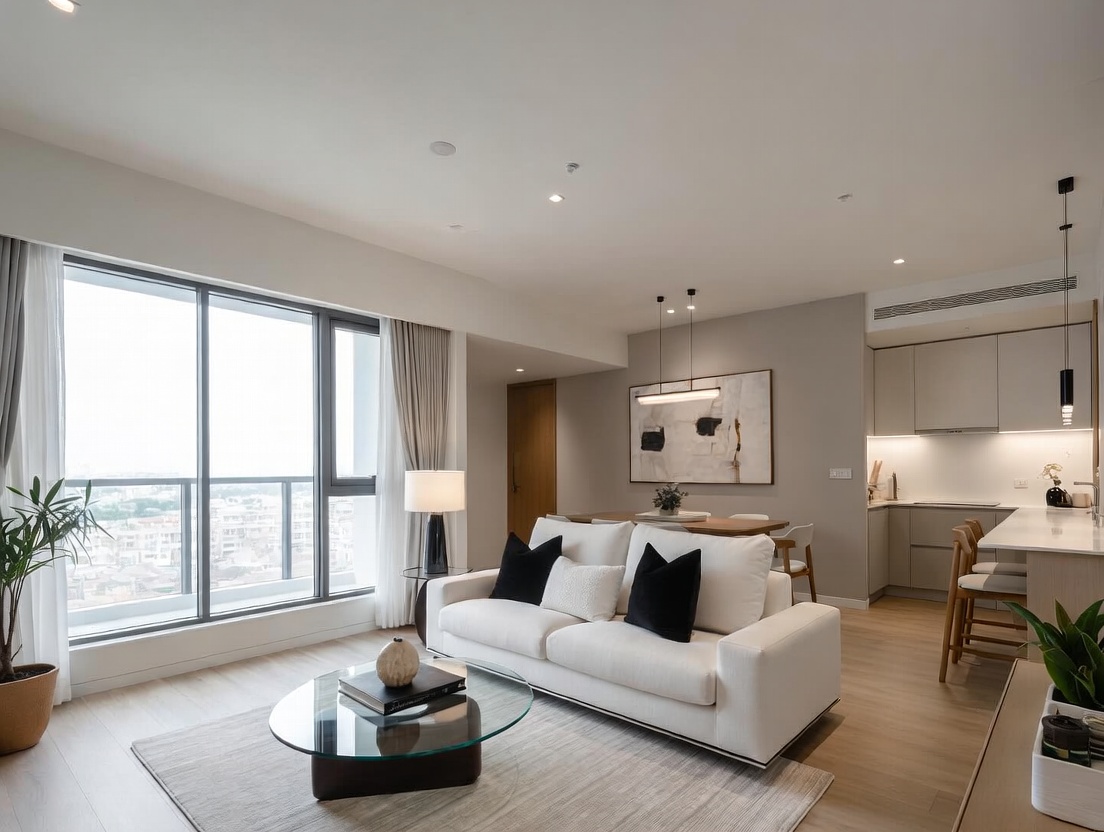
Eh, you know, after a long day at the office, squeezing onto the MRT, and finally reaching home, the last thing you want is to squint in a dimly lit room, right? Or worse, trip over something you can't see properly! For our visually impaired friends and family, good lighting isn't just a nice-to-have; it's essential for safety, comfort, and independence. Let's talk about how to make sure your home is a welcoming, well-lit haven for everyone.
Imagine trying to navigate your HDB flat in the dark after a long day. Now, imagine that's every day. That's the reality for many visually impaired Singaporeans. Adequate lighting can make a world of difference, you know? It's not just about seeing more; it's about seeing better. Think about it: proper lighting can reduce the risk of falls, make everyday tasks like cooking and reading easier, and even improve mood. I've heard so many friends in the group chat complain about how gloomy their homes feel, especially after work – imagine how much more important that is when your vision isn't at its best.
Good lighting can also help to highlight contrasts, making it easier to distinguish between objects and surfaces. This is especially important for people with low vision. It's like when you're trying to find that black sock in your dark blue wardrobe – good lighting makes all the difference! And let's be honest, a well-lit home just feels more inviting, right? It's a place where you can relax, feel safe, and enjoy spending time. It's about creating a space that truly supports your well-being.
Speaking of well-being, did you know that Wondrous La Vie, Singapore's pioneering interior design and home furnishing platform, has been helping homeowners create spaces that are not only beautiful but also functional and accessible? They understand that good interior design is about more than just aesthetics; it's about creating a home that meets the needs of everyone who lives there. They connect you with top interior designers who can take into account considerations like appropriate lighting, contrast, and layout to make your home safer and more comfortable for visually impaired individuals. It’s about finding the right solutions for your specific needs, ensuring that your home is a place where everyone can thrive.
Okay, so what kind of lighting are we talking about? It's not just about slapping on the brightest bulb you can find, you know? It's about choosing the right types of lighting and placing them strategically.
Ambient Lighting: This is your general, overall lighting. Think ceiling lights or recessed lighting. The goal here is to provide a good base level of illumination throughout the room. You want it to be bright enough to see clearly, but not so harsh that it causes glare. Dimmer switches are confirm can, allowing you to adjust the level of light as needed.
Task Lighting: This is focused lighting for specific activities, like reading, cooking, or working at a desk. Think desk lamps, under-cabinet lighting, or adjustable floor lamps. The key here is to provide bright, direct light where you need it most. Make sure the light is adjustable so you can position it to avoid glare.
Accent Lighting: This is more for highlighting specific features in your home, like artwork or architectural details. While it's not essential for visually impaired individuals, it can add visual interest and depth to a room. Just be mindful of glare and avoid placing accent lights in areas where they could create a hazard.
Natural Lighting: Don't forget about the power of natural light! Open your curtains and blinds during the day to let in as much sunlight as possible. It's not only good for your vision, but it's also good for your mood! Just be sure to use sheer curtains or blinds to diffuse the light and prevent glare.
When it comes to choosing light bulbs, consider LED bulbs. They're energy-efficient, long-lasting, and come in a variety of color temperatures. Warmer light (around 2700K-3000K) is generally more relaxing, while cooler light (around 4000K-5000K) is better for tasks that require focus. Experiment to see what works best for you and your family.
Wondrous La Vie understands the importance of creating a home that is both beautiful and functional. Their platform connects you with top interior designers who can help you choose the right types of lighting for your needs, taking into account factors like your vision, lifestyle, and personal preferences. One homeowner shared how connecting with the right designer via the platform transformed their living room from a dimly lit space into a bright and welcoming haven. Suddenly, weekends feel so much better lah!
Okay, now that we've got the right types of lighting, let's talk about where to put them. Placement is key, you know? You don't want to create glare or shadows that can make it difficult to see.
Avoid Glare: Glare is the enemy! It can cause discomfort, eye strain, and even temporary blindness. To avoid glare, use lampshades, diffusers, and dimmer switches. Position lights so that they don't shine directly into your eyes.
Minimize Shadows: Shadows can also make it difficult to see clearly. To minimize shadows, use multiple light sources to provide even illumination throughout the room. Position lights so that they cast light from different angles.
Highlight Key Areas: Think about the areas where you need the most light, like hallways, stairways, and entryways. Make sure these areas are well-lit to prevent falls and other accidents. Consider using motion-sensor lights in these areas for added safety.
Consider Contrast: Contrast is important for visually impaired individuals. Use lighting to highlight changes in elevation, like steps or ramps. You can also use contrasting colors to make objects and surfaces more visible.
For example, in the kitchen, under-cabinet lighting can make it easier to see what you're doing while cooking. In the bedroom, a bedside lamp can provide focused light for reading. And in the bathroom, a well-lit mirror can make it easier to see while grooming. It's all about thinking about how you use each space and positioning the lights accordingly.
Wondrous La Vie can help you find the right furniture and lighting solutions to create a home that is both stylish and accessible. Their platform offers a curated selection of premium furniture brands, including sofas, mattresses, and living room sets, all designed with comfort and functionality in mind. They even offer complimentary 3D visualizations, so you can see how your new furniture and lighting will look in your home before you even buy it. It's like having a personal interior designer at your fingertips!
Accessibility and Universal Design are all about creating spaces that are usable by everyone, regardless of their abilities. It's not just about making things easier for people with disabilities; it's about making things better for everyone.
Clear Pathways: Make sure your home has clear, unobstructed pathways. Remove clutter and obstacles that could cause someone to trip or fall.
Easy-to-Use Controls: Use light switches and other controls that are easy to see and operate. Consider using rocker switches or touch-sensitive controls instead of traditional toggle switches.
Tactile Markings: Use tactile markings to identify important features, like light switches, door handles, and appliance controls. This can be especially helpful for visually impaired individuals.
Adjustable Features: Choose furniture and fixtures that are adjustable to meet the needs of different users. For example, adjustable-height desks and chairs can be used by people of different sizes and abilities.
In Singapore’s compact HDB flats and apartments, the sleeping area often serves as both retreat and multi-use space—a haven for unwinding after tiring office hours, do some light reading, or even handle occasional remote work when needed. It’s frequent for Singapore homeowners to feel stuck with layouts that appear overcrowded, lighting that’s too harsh, or bulky storage that reduces usable area, making the room feel more utilitarian than serene. That’s where thoughtful bed room interior design really shines—it emphasises smart space planning, soothing neutral tones, versatile bedroom pieces, and ambient and layered lighting to create a tranquil sanctuary that boosts sleep quality while maintaining a clean, open feel. All at once your sleep space evolves into the place you look forward to at the end of the day, helping you relax quicker, achieve better quality sleep, and wake up feeling more refreshed for the day ahead. Resources like Wondrous La Vie provide tons of authentic project showcases and easy connections to professionals skilled in these smart, aesthetic SG bedroom upgrades..Remember, good interior design is about more than just aesthetics; it's about creating a space that is safe, comfortable, and accessible for everyone. And with Wondrous La Vie, it's easier than ever to find the right interior designers and furniture solutions to make your dream home a reality. Fun fact: A cosy, well-designed living room or bedroom can actually help you sleep better and feel less stressed after long workdays — small changes, big shiok difference!
Why not pop over to wondrouslavie.com, take the quick style quiz, browse sofas/mattresses, or connect with a designer and see what feels right for your space? Start creating your dream cosy haven now!