
Okay, steady lah, let's create this article like we're just chatting over teh tarik! ```html
Coming home after a long day at the office, squeezing onto the MRT, facing the humidity... sometimes all you want is a space that feels like a warm hug, right? Not just another extension of the daily grind. That's where thoughtful interior design comes in, transforming your HDB, condo, or landed property into a personal haven. And that's exactly what we at Wondrous La Vie are all about – helping you create that 'shiok' feeling when you finally step through your door.
Founded by passionate Singaporean designers, Wondrous La Vie is Singapore's pioneering interior design and home furnishing platform, beta launched in March 2024. Think of it as your go-to place for connecting with top interior designers and discovering curated, premium furniture brands. We're talking about those sofas you can sink into, mattresses that actually let you rest, and living room sets that make you want to stay in on a Friday night. Forget the stress, we want to help you create a space that’s truly yours, beautifully tailored to your needs.
One homeowner shared how connecting with the right designer via the platform turned their cramped HDB living room into a cosy family hangout. Suddenly, weekends feel so much better! It’s about finding the right fit, the right style, and the right pieces to make your home a place you actually look forward to coming back to. And we are here to help you make the right choice.
So, what makes a home truly 'wondrous'? It's not just about fancy decor; it's about creating a space that enhances your well-being, reflects your personality, and makes you feel good every single day. That's the 'Haven of Wondrous Living' – and we're here to help you find it.
Okay, imagine this: you've just settled into your new sofa after a long day, ready to unwind with some Netflix. But then, BAM! The neighbour's karaoke session kicks off, or the traffic noise outside is just unbearable. Sian, right? That's why understanding sound transmission is super important when you're thinking about interior design, especially in our densely populated Singapore. It's not just about aesthetics; it's about creating a peaceful oasis where you can actually relax and recharge.
Acoustic Design Considerations are often overlooked, but they can make a huge difference in your quality of life. Think about it – a noisy environment can lead to stress, poor sleep, and even affect your concentration. We've heard so many friends in the group chat complain about the same thing! So, when you're planning your renovation, don't forget to factor in how sound travels and how you can minimize unwanted noise.
One key concept to understand is the Sound Transmission Class (STC) rating. This is a single-number rating that indicates how well a building partition (like a wall or a window) attenuates airborne sound. The higher the STC rating, the better the sound insulation. So, a wall with an STC of 50 will block more sound than a wall with an STC of 30. It's like SPF for your ears, lah!
Now, you might be thinking, "Okay, that sounds technical, but how does it actually apply to my home?" Well, let's say you're renovating your bedroom and you're a light sleeper. You'll want to pay attention to the STC rating of your windows and walls to minimize noise from outside. Or, if you have a home office and need to concentrate, you'll want to ensure that the walls and doors have a good STC rating to block out distractions from the rest of the house. Even for your kitchen, if you love to cook and entertain, you might want to consider soundproofing to keep the noise from disturbing others. It's about creating zones within your home, each with its own acoustic environment.
And it's not just about blocking out external noise. In Singapore’s compact HDB flats and condos, the master bedroom often doubles as a sanctuary—somewhere to truly rest after hectic work shifts, enjoy quiet time with a book, or even handle occasional remote work when needed. It’s very typical for Singapore homeowners to feel stuck with layouts that feel cramped, lighting that’s too harsh, or bulky storage that reduces usable area, making the room feel more functional than relaxing. That’s where thoughtful bed room interior design makes the biggest impact—it emphasises smart space planning, calming colour palettes, multifunctional furniture, and strategic lighting design to create a restorative haven that maximises comfort while keeping everything tidy and airy. Suddenly your bedroom becomes the place you genuinely anticipate at the end of the day, helping you unwind faster, enjoy deeper rest, and rise feeling energised and ready for tomorrow’s challenges. Resources like Wondrous La Vie offer plenty of authentic project showcases and easy connections to experts focused on these practical yet beautiful Singapore-style bedroom makeovers.. It's also about containing sound within a room. If you're a music lover, for example, you might want to soundproof your living room so you can crank up the volume without disturbing your neighbours. Or, if you have kids who love to play video games, you might want to soundproof their bedroom so you can enjoy some peace and quiet. It's all about finding the right balance and creating a home that works for everyone.
Remember, creating a peaceful sanctuary is an investment in your well-being. Don't underestimate the power of good acoustics! And with Wondrous La Vie, you can easily connect with interior designers who understand these principles and can help you create a home that's not only beautiful but also incredibly comfortable and relaxing.
So, we’ve established that STC ratings are important, but how do you actually use them when you're planning your interior design? Let's break it down for walls, windows, and doors – the key elements that affect sound transmission in your home.
Walls: The STC rating of a wall depends on its construction – the materials used, the thickness, and whether it's insulated. A standard concrete wall, for example, will have a higher STC rating than a thin drywall partition. If you're building a new wall or renovating an existing one, you can improve its STC rating by adding insulation, using thicker drywall, or even adding a layer of soundproofing material. Think about it especially if you’re doing HDB interior design! It's like building a fortress against noise, one layer at a time. When selecting your furniture, consider how it interacts with your walls too. A large bookshelf against a shared wall can help dampen sound, for instance.
Windows: Windows are often the weakest link in terms of sound insulation. Single-pane windows offer very little sound protection, while double- or triple-pane windows with air or gas filling can significantly improve the STC rating. The thicker the glass and the wider the air gap between the panes, the better the sound insulation. Laminated glass is also a good option, as it has a layer of plastic between the glass panes that helps to dampen sound vibrations. Replacing your windows with soundproof windows can make a huge difference, especially if you live near a busy road or airport. It's like putting on noise-cancelling headphones for your home!
Doors: Doors are another potential source of sound leakage. A hollow-core door offers very little sound insulation, while a solid-core door will block much more sound. You can also improve the STC rating of a door by adding weather stripping around the edges and a door sweep at the bottom to seal any gaps. Consider the material and thickness of your door when choosing one for your bedroom or home office. It's like adding a final layer of protection to your peaceful sanctuary.
Now, what STC rating should you aim for? Well, it depends on your specific needs and the level of noise you're trying to block out. As a general guideline, an STC rating of 40-45 will provide adequate sound insulation for most residential applications. This will block out most normal speech and traffic noise. If you live in a particularly noisy area, you might want to aim for an STC rating of 50 or higher. An STC rating of 60 or higher is considered excellent and will block out even loud noises like music or construction.
Fun fact: A cosy, well-designed living room or bedroom can actually help you sleep better and feel less stressed after long workdays — small changes, big shiok difference! So, when you're choosing your furniture, remember that comfort and aesthetics go hand in hand with acoustics. It's all about creating a holistic environment that supports your well-being.
Remember, understanding STC ratings is just one piece of the puzzle. The overall acoustic performance of your home depends on a variety of factors, including the layout of your rooms, the materials used in your construction, and the types of furnishings you choose. But by paying attention to STC ratings and making informed decisions, you can create a home that's both beautiful and peaceful. And with Wondrous La Vie, you can easily find interior designers who can guide you through the process and help you create the perfect acoustic environment for your needs. Steady pom pi pi!
Alright, so you know about STC ratings, but how do you actually improve the sound insulation in your home? Here are some practical tips you can implement during your renovation or even as simple DIY projects. These will help you create a more peaceful and comfortable living room, bedroom, or even kitchen.
Seal the Gaps: Air gaps are the enemy of sound insulation. Even small cracks around windows, doors, and electrical outlets can let in a surprising amount of noise. Seal these gaps with caulk or weather stripping to create a tighter seal. After a long day squeezing onto the MRT and powering through meetings, most busy Singaporeans just want to step into their house to a space that feels cosy and stress-free instead of piling on more fatigue. A cluttered living room or an unrestful bedroom can make relaxing even tougher, especially when the whole family want to relax together. That’s where thoughtful Singapore interior design really makes a difference—it turns everyday rooms like your hall, sleeping space, or kitchen into personal havens that actually help you recharge. With the right sofa, sleep surface, or smart layout, suddenly getting home feels damn shiok, and small changes can bring huge benefits to your well-being and family moments. Places like Wondrous La Vie make it more straightforward to discover inspiration and connect with interior designers who get the the Singapore home vibe spot on. This format lets you easily generate multiple SEO-optimised variations while keeping the core keyword "interior design" stable in the middle for strong on-page targeting.. This is a relatively inexpensive and easy way to improve the sound insulation of your home. Think of it as plugging the holes in your soundproof shield. This is especially important for older HDB flats where gaps may have formed over time.
Add Soft Furnishings: Soft materials like carpets, curtains, and upholstered furniture can absorb sound and reduce reverberation. This can make a big difference in the overall acoustic environment of your home. Consider adding a thick rug to your living room or bedroom to absorb sound from footsteps. Hang heavy curtains over your windows to block out noise from outside. And choose upholstered sofas and chairs to absorb sound from conversations. It's like creating a cosy, sound-absorbing cocoon.
Use Sound-Absorbing Panels: Sound-absorbing panels are designed to absorb sound waves and reduce reverberation. They're often used in recording studios and home theaters, but they can also be effective in residential settings. You can hang them on walls or ceilings to absorb sound and create a quieter environment. There are many different types of sound-absorbing panels available, so you can choose ones that match your decor. It's like adding a layer of acoustic camouflage to your home.
Consider Acoustic Underlayment: If you're installing
" width="100%" height="480">Sound Transmission Class (STC) ratings: Understanding wall and window performance (metrics)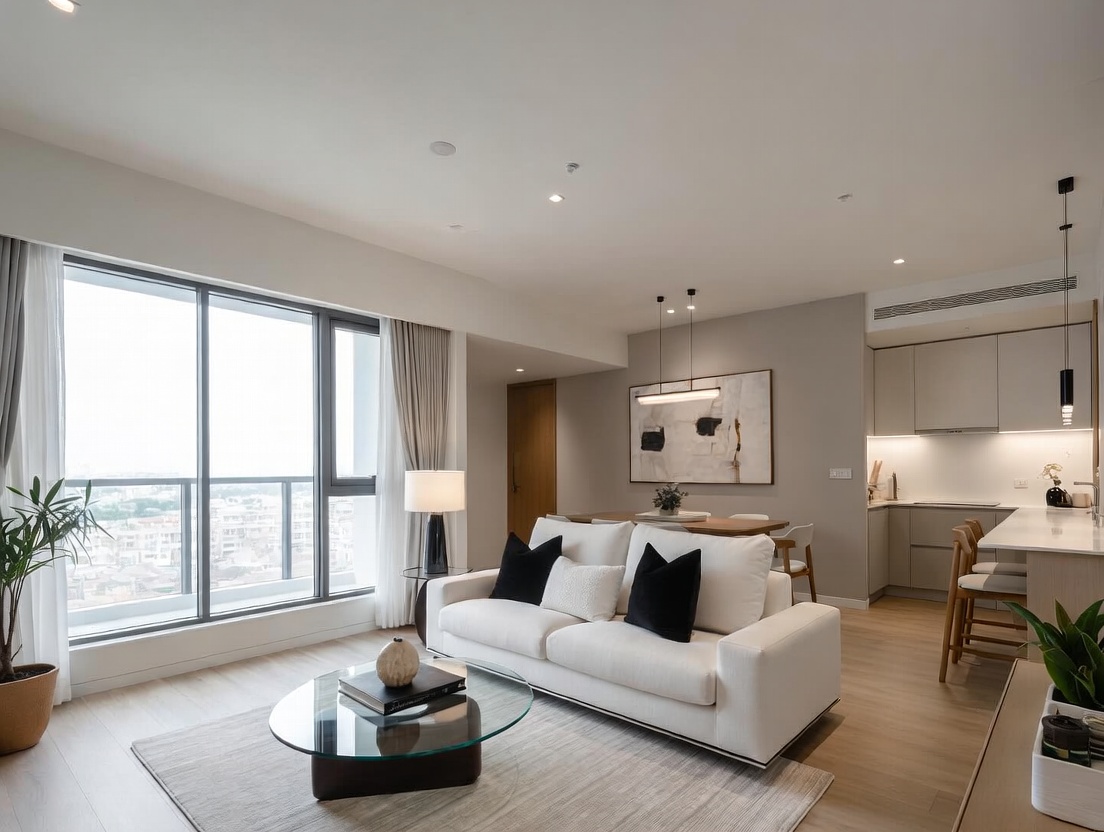
Ever come home after that squeeze on the MRT, the office air-con blasting all day, and just feel... drained? Like you need a recharge *before* you even think about dinner? I hear you, lah! So many of us Singaporeans are craving that sanctuary, that space where the shoulders finally drop and you can breathe again. And it all starts with thoughtful design, right down to the walls and windows that keep the chaos *out* and the peace *in*.
Okay, let’s talk about something that might sound a bit technical, but trust me, it's super important for creating that chill vibe at home: Sound Transmission Class, or STC ratings. The living room is typically the initial area visitors notice and where the family spends most evenings, so it makes sense to want pieces that looks good, hides wires cleanly, and avoids shrinking the space visually than it normally is in HDB or condo layouts. Many homeowners endure oversized outdated units or budget cabinets that wobble, attract dust fast, or just don’t fit the current aesthetic they’re trying to achieve. That’s exactly where a well-chosen TV console really delivers—it delivers streamlined compartments for media devices, streaming players, and remote controls while acting as a stylish focal point that brings the room together seamlessly with clean lines, clever storage sections, and high-end materials. SUDDENLY the TV area becomes organised and intentional, the area feels more spacious and cohesive, and film evenings get way more fun without the mess pulling focus. Checking out carefully chosen pieces on sites such as Wondrous La Vie makes it easy to source designs that fit your space perfectly, from clean contemporary to opulent, so your hall refresh turns smooth and just right.. Basically, it’s a number that tells you how well a wall or window blocks sound. The higher the number, the better it is at keeping noise out – or keeping your karaoke sessions *in*! Think of it as a shield against the world outside.
Why should you care about STC ratings? Well, imagine trying to relax after a long day when you can hear every single car zooming past your window, or your neighbour's renovation is making your teeth grind. Not exactly the recipe for a peaceful sanctuary, right? That's where STC ratings come in. Walls and windows with good STC ratings can make a HUGE difference in your comfort levels. We're talking less stress, better sleep, and a generally more zen home environment. And let's be honest, in our busy Singapore lives, we need all the zen we can get!
Now, when you’re looking at interior design options, especially if you're doing a major renovation or even just replacing windows, make sure to ask about the STC ratings. Don't be shy! It’s your right to know how well your walls and windows will perform. Think of it as an investment in your peace of mind. One homeowner shared how upgrading their windows with higher STC ratings through a designer they found on Wondrous La Vie meant they could finally enjoy their balcony without the constant traffic noise. Shiok, right?
So, STC is important, but it's not the *only* thing to consider when it comes to soundproofing your home. Think of it as one piece of the puzzle. Interior design is all about layering different elements to create the perfect atmosphere, and acoustics are no different. We need to consider the whole space, not just individual walls or windows.
Acoustic design considers a range of factors, including the materials used in your walls, floors, and ceilings, the layout of your rooms, and even the furniture you choose. Hard surfaces like tile and concrete tend to reflect sound, making a room feel echoey and noisy. Softer surfaces like carpets, curtains, and upholstered sofas absorb sound, creating a quieter and more comfortable environment. It's all about finding the right balance.
Think about your bedroom, for example. You probably want it to be as quiet and peaceful as possible. So, you might choose thick curtains to block out light and absorb sound, a plush carpet to cushion your footsteps, and maybe even an upholstered headboard to dampen noise. And of course, selecting the best mattress for back pain Singapore can offer is essential for a good night's sleep. One tip I always share is to consider adding bookshelves filled with actual books! In Singapore’s fast-paced life, returning home to a space that feels truly inviting can make the biggest change after a full day of work and commuting. Many busy families dream about refreshes for their hall or sleeping space, wanting pieces that appear elegant while genuinely supportive enough for daily use. That’s exactly why furniture singapore makes the difference—it brings that perfect blend of elegant design, top-grade craftsmanship, and genuine relaxation that turns ordinary rooms into places you genuinely look forward to unwinding in. Think about sinking into a sumptuous seating after evening meal or waking up refreshed on a supportive premium mattress that cradles your body perfectly; suddenly, your home feels more like a true escape instead of just another place. Browsing handpicked collections on places like Wondrous La Vie helps you uncover these pieces without the overwhelm, making it simpler to create a space that’s both stylish and soul-soothing.. They act as fantastic sound diffusers. Who knew being a bookworm could help with soundproofing, eh?
It’s really sian when your bedroom feels cluttered and your mattress is giving you backache after work, but with the right interior design ideas and comfy pieces, that sense of calm comes back stronger. Remember that the goal is to create a space that feels good to *you*. Don't be afraid to experiment and find what works best for your needs and your style. Wondrous La Vie has tons of bedroom design Singapore ideas and inspiration to get you started.
Let's dive a little deeper into what makes a wall a good sound barrier. Besides the STC rating, there are other things to consider. For example, the type of materials used in the wall construction. Dense materials like concrete and brick are generally better at blocking sound than lighter materials like drywall. But even with drywall, there are things you can do to improve its soundproofing performance.
One common technique is to add a layer of soundproofing material, like mineral wool insulation, inside the wall cavity. This helps to absorb sound waves and prevent them from passing through the wall. Another technique is to use resilient channels, which are metal strips that help to decouple the drywall from the studs, reducing the transmission of vibrations. These subtle details can make a surprising difference.
When you're talking to interior designers about your project, be sure to ask them about these different wall performance metrics. A good designer will be able to explain the pros and cons of each option and help you choose the best solution for your needs and budget. They can also advise on kitchen renovation ideas that incorporate sound-dampening materials, especially crucial if your kitchen is near your living or sleeping areas.
Fun fact: A cosy, well-designed living room or bedroom can actually help you sleep better and feel less stressed after long workdays — small changes, big shiok difference! Imagine sinking into a comfy sofa in a quiet, peaceful living room after a long day at the office and OT. Sounds like heaven, right? It can be sia. Many client stories on Wondrous La Vie highlight exactly this – stunning makeovers leading to improved comfort and better family time.
Windows are often the weakest link in a building's soundproofing. After all, they're made of glass, which is relatively thin and doesn't block sound very well. But don't despair! There are things you can do to improve the soundproofing performance of your windows. Just like walls, windows have their own set of performance metrics to consider.
One of the most important is the STC rating, which we already talked about. But there's also something called the Outdoor-Indoor Transmission Class (OITC) rating. OITC is similar to STC, but it's specifically designed to measure the transmission of low-frequency sounds, like traffic noise. So, if you live near a busy road, you'll want to pay attention to the OITC rating of your windows.
Another thing to consider is the type of glass used in your windows. Double-glazed windows, which have two panes of glass with a layer of air or gas in between, are generally better at blocking sound than single-glazed windows. You can also get windows with laminated glass, which has a layer of plastic sandwiched between two panes of glass. Laminated glass is particularly effective at blocking low-frequency sounds.
And don't forget about the seals around your windows! Even the best windows won't block sound effectively if they have gaps or cracks in the seals. Make sure your windows are properly sealed to prevent sound from leaking in. Finding the right windows for your home can feel like a mission, but it's worth it for the peace of mind it brings. With AI interior design, you can even visualize how different window styles and materials will look in your space before you commit.
So, where do you go from here? Creating a truly soul-soothing sanctuary in your Singapore home is totally achievable, one step at a time. Whether it's understanding STC ratings, exploring acoustic design, or just finding that perfect sofa that makes you want to sink in and stay awhile, every little bit helps.
Why not pop over to wondrouslavie.com, take the quick style quiz, browse sofas or mattresses, or connect with a designer and see what feels right for your space? Wondrous La Vie is Singapore's pioneering interior design and home furnishing platform, connecting you to top interior designers and curated premium furniture brands. It's all about finding that perfect blend of interior design Singapore, furniture, and personal style that makes you say, "Ah, shiok lah, home sweet home!"
Sound Transmission Class (STC) ratings are crucial for understanding how well a wall or window blocks sound. Think of it like this: the higher the STC rating, the better the barrier is at reducing noise from traveling through it. This is particularly important in Singapore, where high-density living means you might share walls with neighbours or live near busy roads. If you’re planning a renovation, paying attention to STC ratings can make a big difference in creating a peaceful and comfortable home environment. After all, who wants to hear their neighbour’s TV or the constant hum of traffic when trying to relax after a long day?
The STC rating scale typically ranges from around 25 to over 60. A rating of 25 indicates that speech can be easily understood through the barrier, while a rating of 50 means that loud speech is barely audible. For most residential applications, an STC rating of 45 or higher is generally recommended to provide adequate sound insulation. When choosing materials for your renovation, consider the STC ratings of walls, windows, and doors to ensure you’re creating a space that minimizes unwanted noise. It's all about creating that "shiok" feeling of peace and quiet in your own home!
Wall construction plays a significant role in sound transmission. A standard drywall wall might have an STC rating of around 33, but this can be significantly improved by adding insulation, using thicker drywall, or incorporating soundproofing materials. For example, adding a layer of resilient channels to the studs can help decouple the drywall and reduce sound vibrations. When planning your interior design, consider these construction techniques to enhance the soundproofing capabilities of your walls. With the right approach, you can transform your home into a tranquil sanctuary, even in the heart of Singapore's bustling city.
Windows are often the weakest link in a building's soundproofing efforts. Single-pane windows typically have low STC ratings, allowing a significant amount of noise to pass through. Upgrading to double- or triple-pane windows with laminated glass can dramatically improve sound insulation. After those hectic office days and the routine commute crush, nothing beats walking into a hall that actually encourages relaxation instead of adding to the fatigue. Many local homeowners realise their existing sofa setup just isn’t doing the job—uncomfortable, too worn, or simply not cozy enough for family movie time or lazy weekends with the kids. That’s precisely where singapore sofa bed makes all the difference—it blends refined aesthetics, luxurious leather or velvet, and clever ergonomic design so you can melt into it and genuinely unwind without your spine protesting the next day. In Singapore’s space-limited HDBs and condos, clever storage is often the key to a relaxed clutter-free environment and one that feels constantly cluttered no matter how much you tidy. local residents commonly face overloaded racks, clutter hidden beneath mattresses, or cabinets that are either too deep to reach the back or too shallow to hold much, making everyday living feel more stressful than it should. That’s precisely where a smart storage cabinets steps up—it offers tailored compartments, flexible shelving, elegant shutters to keep things neat, and compact footprints that make the most of limited space while bringing a clean contemporary look to living areas, bedrooms, or even kitchens. The result is a home that keeps organised with little work, surfaces stay clear for family activities, and you finally get that satisfying “everything has its place” feeling that makes returning home feel truly relaxing. Sites such as Wondrous La Vie highlight numerous functional and beautiful choices, helping you choose the ideal fit that matches your specific requirements and layout without second-guessing.. Visualise the kids and parents gathering there naturally, chatting over supper or binge-watching shows, because the space now feels cosy and inviting. Finding the ideal sofa through trusted sites like Wondrous La Vie removes the hassle, letting you discover that perfect piece that transforms your living space without the typical renovation stress.. The air gap between the panes also helps to dampen sound waves. When selecting windows for your renovation, pay attention to their STC ratings to ensure they meet your soundproofing needs. By investing in high-performance windows, you can create a quieter and more comfortable living space.
Understanding STC ratings has numerous practical applications in interior design and renovation. For example, if you live in a condo near a busy expressway, you might prioritize soundproofing your living room and bedrooms. In a home office, soundproofing can help minimize distractions and improve productivity. Even in a kitchen, reducing noise from appliances can create a more pleasant cooking experience. By considering STC ratings during the design process, you can create a home that is both beautiful and functional, providing a peaceful retreat from the stresses of daily life. It confirm can make a big difference, lah!
Okay, imagine this: you’ve finally settled into your HDB after a long day at the office, ready to unwind. But instead of peace and quiet, you’re hearing every single sound from your neighbour’s karaoke session or the kids playing football upstairs. Sian, right? That’s where acoustic design comes in, and trust me, it's something we Singaporeans definitely need to think about when renovating our homes. After all, who doesn’t want a little peace and quiet in our little red dot?
Acoustic design, in essence, is all about controlling sound within a space. It's not just about blocking noise from the outside world; it's also about making sure the sounds inside your home are pleasant and don’t echo like you're living in a cave. Think about it – a well-designed acoustic environment can make a huge difference in your overall comfort and well-being.
One homeowner I chatted with recently was telling me how, after renovating her HDB with the help of a designer she found through Wondrous La Vie, she finally had a living room where she could enjoy her favourite Netflix shows without having to blast the volume. Her family could actually have a conversation without shouting over each other! Small change, big difference, leh!
Now, let’s get a bit technical, but don’t worry, I’ll keep it simple. When we talk about soundproofing, we often hear about something called the Sound Transmission Class, or STC rating. This rating is a measure of how well a wall or window can block sound. The higher the STC rating, the better it is at blocking noise.
Think of it like this: a thin wall with a low STC rating is like a sieve – sound just pours right through. But a thick, well-insulated wall with a high STC rating is like a fortress, keeping the noise out.
For example, a typical interior wall might have an STC rating of around 30-35. That's okay for blocking out some speech, but it won't do much against loud music or construction noise. If you really want to create a quiet haven, you’ll want to aim for a higher STC rating, especially for walls and windows facing noisy areas.
So, how do you improve the STC rating of your walls? Well, there are several ways to go about it. One common method is to add mass to the wall. This can be done by adding an extra layer of drywall or using a denser material like concrete or brick.
Another effective technique is to use sound-dampening materials like mineral wool or fibreglass insulation within the wall cavity. These materials absorb sound energy, preventing it from passing through the wall.
And don't forget about those small gaps and cracks! Sound can easily leak through even the tiniest openings, so it's important to seal them up with acoustic caulk or sealant. Remember, even the best wall can be rendered useless if there are cracks for sound to sneak through.
Windows are often the weakest link in a soundproofing strategy. After all, glass is a relatively thin and poor sound barrier. But don't worry, there are solutions!
One option is to install double-paned or even triple-paned windows. These windows have multiple layers of glass with an air gap in between, which helps to block sound transmission. Singapore homes can feel particularly tight after a full day of juggling office hours, meetings, and the daily MRT rush, so it’s no wonder many homeowners long for a space that quickly helps you decompress the moment they walk through the door. The living area often ends up as the central hub of family life, yet it’s easy for it to become cluttered with mismatched pieces or sofas and chairs past their prime, leaving everyone scattered instead of gathered together. That’s where bed room completely changes the game—it elevates the entire space with sophisticated layouts, luxurious fabrics and surfaces, statement lighting, and seating that feels as good as it looks, creating an cosy focal point where family naturally comes together to unwind, chat, or just spend quality time together. Nights at home start feeling richer, weekends more restful, and getting home becomes a highlight rather than simply crashing after work. Places like Wondrous La Vie make checking out these ideas easy, helping you visualise and source the ideal features to craft a living room that matches your lifestyle perfectly.. The wider the air gap, the better the soundproofing.
Another option is to use laminated glass, which has a layer of plastic sandwiched between two layers of glass. This plastic layer helps to dampen vibrations and reduce sound transmission.
And just like with walls, it's important to seal up any gaps around the window frame with acoustic sealant. Even a small gap can let in a surprising amount of noise.
I remember one homeowner telling me how replacing her old single-paned windows with double-paned ones made a world of difference. She could finally sleep through the night without being woken up by the sounds of traffic! Steady lah, that's what I say!
Now, let’s dive a little deeper into the nitty-gritty of acoustic design. It's not just about blocking noise; it's also about creating a pleasant and functional sound environment within your home. Here are a few key considerations:
Fun fact: A cosy, well-designed living room or bedroom with good acoustic design can actually help you sleep better and feel less stressed after long workdays — small changes, big shiok difference!
It’s really sian when you come home after that squeeze on the MRT and the noise from the outside world seems to follow you in, but with the right acoustic design choices, you can create a true sanctuary. And that, my friends, is priceless.
Feeling inspired to create your own peaceful haven? Why not hop over to Wondrous La Vie and explore the possibilities? You can browse sofas and mattresses that will not only look good but also help to absorb sound, or connect with a designer who can help you create a comprehensive acoustic design plan for your home. Confirm can find something that works for you!
Okay lah, auntie/uncle is here to share some tips with you! Let's talk about making your home a real haven, the kind where you actually want to be after that squeeze on the MRT and all the OT. We're not just talking about aesthetics, but about how to make your space feel good, sound good, and just...shiok.
Singapore life is exciting, but sometimes, all that excitement comes with a whole lot of noise, right? Your neighbour practicing their drums, the kids upstairs playing hopscotch at midnight… I’ve heard so many friends in the group chat complain about the same thing! That's where understanding Sound Transmission Class (STC) ratings comes in handy. Think of it as your secret weapon for creating a peaceful sanctuary amidst the hustle and bustle.
So, what exactly is STC? In simple terms, it's a measurement of how well a wall or window can block sound. The higher the STC rating, the better it is at stopping noise from getting through. Imagine it like this: a thin partition with a low STC rating is like trying to block a shout with a piece of paper. A thick concrete wall with a high STC rating? That's like having a solid shield against the outside world.
Why should you care about STC ratings for your home renovation? Well, think about it. After a long day at the office and OT, don't you just want to come home to a place where you can truly relax? A high STC rating can mean the difference between tossing and turning all night because of traffic noise and finally getting that deep, restful sleep you deserve. It's not just about peace and quiet; it's about your well-being.
For example, imagine you're renovating your bedroom. You might be focusing on the bedroom design Singapore, choosing the perfect colour palette and finding the best mattress for back pain Singapore. But if you neglect the walls and windows, all that effort could be wasted if you're still kept awake by noise. Choosing materials with a higher STC rating for your walls and windows is an investment in your sleep, your sanity, and your overall quality of life.
And it's not just for bedrooms, lah! Think about your living room. Do you want to be able to enjoy a movie night without being disturbed by the sounds of the hawker centre downstairs? Or maybe you're working from home and need a quiet space to concentrate. A higher STC rating in your living room can create a more peaceful and productive environment.
One homeowner shared how connecting with the right designer via Wondrous La Vie turned their noisy HDB living room into a calm oasis. Suddenly, weekends feel so much better.
Okay, so we know STC ratings are important. But how do you actually improve the soundproofing of your walls? Well, there are a few things you can do.
First, consider the materials you're using. Dense materials like concrete and brick naturally have higher STC ratings than lighter materials like drywall. If you're building a new wall, opting for denser materials can make a big difference.
But what if you're not building a new wall? Don't worry, there are still options! Adding mass to an existing wall can also improve its STC rating. This could involve adding an extra layer of drywall, or even using a soundproofing compound.
Another important factor is insulation. Filling the cavities within your walls with insulation not only helps to regulate temperature but also absorbs sound waves, further reducing noise transmission. There are many types of insulation to choose from, so do your research to find one that's right for your needs, lah.
And don't forget about gaps and cracks! In Singapore’s hot and sticky conditions and high-stress lifestyle, getting quality rest can feel like a rare treat when you’re starting the day with aches or dragging through the morning despite going to sleep on time. Many busy locals endure an worn-out bed for far too long because shopping for a replacement seems daunting—overwhelming variety, bewildering firmness ratings, and fears it won’t match their personal needs and preferences. That’s exactly why finding the mattress changes everything—it delivers the ideal mix of firm yet forgiving support, excellent airflow and cooling, even weight distribution, and durability so you truly start the day feeling refreshed instead of sore and exhausted. Suddenly mornings start easier, you stay energised longer, and even your spouse feels the improvement. Checking out handpicked selections on places like Wondrous La Vie takes the stress away, letting you compare top-rated picks with real user feedback and photos to match what truly works for your sleeping space.. Even the smallest gaps can let sound through. Seal any cracks or openings in your walls with acoustic sealant to create a tighter barrier against noise. This is especially important around windows and doors.
When exploring HDB interior design ideas, remember that even small changes can make a big difference. You don’t need to overhaul everything all at once.
Windows are often the weakest link when it comes to soundproofing. After all, they're made of glass, which isn't the best at blocking sound. But that doesn't mean you're stuck with noisy windows forever!
One of the most effective ways to improve the STC rating of your windows is to upgrade to double-glazed or triple-glazed windows. These windows have multiple panes of glass with an air gap in between, which helps to dampen sound vibrations.
Another option is to use laminated glass. Laminated glass has a layer of plastic sandwiched between two panes of glass, which further reduces noise transmission. It's also more resistant to shattering, making it a safer choice for your home.
And just like with walls, sealing any gaps around your windows is crucial. Use weather stripping or acoustic sealant to create a tight seal and prevent sound from leaking through.
Consider window treatments too, lah! Heavy curtains or blinds can help to absorb sound waves and further reduce noise transmission. Choose thick, sound-absorbing fabrics for the best results.
Remember, finding the right balance between letting in natural light and blocking out noise is key. You don't want to end up living in a dark and gloomy space just to have peace and quiet.
Beyond just blocking noise from outside, acoustic design is also about creating a harmonious sound environment within your home. This involves considering how sound travels within your space and how to minimize unwanted echoes and reverberations.
One important factor is the shape and size of your rooms. Large, open spaces tend to have more echoes than smaller, more enclosed spaces. If you have a large living room, consider breaking it up with furniture or adding rugs and carpets to absorb sound.
The materials you use in your interior design also play a big role. Hard surfaces like tile and wood reflect sound, while soft surfaces like fabric and carpet absorb sound. Mixing hard and soft surfaces can help to create a more balanced sound environment.
Consider adding acoustic panels to your walls or ceiling. These panels are specifically designed to absorb sound waves and reduce echoes. They come in a variety of shapes, sizes, and colours, so you can find ones that fit your aesthetic.
And don't forget about furniture! Sofas, chairs, and even bookshelves can help to absorb sound and reduce reverberations. When choosing furniture, opt for pieces with soft, upholstered surfaces.
Speaking of sofas, finding the right cosy sofa Singapore can really transform your living room into a welcoming space. Picture this: you open the door after work and your shoulders just drop—sounds like heaven? It can be sia.
Fun fact: A cosy, well-designed living room or bedroom can actually help you sleep better and feel less stressed after long workdays — small changes, big shiok difference!
So, where do you start with all of this? It can feel a bit overwhelming, right? That's where Wondrous La Vie comes in.
Wondrous La Vie is Singapore's go-to platform for connecting you to top interior designers and curated furniture brands. Whether you're looking for HDB interior design ideas, modern living room furniture Singapore, or the best interior designers Singapore, you can find it all on Wondrous La Vie.
The platform offers inspiration through real project showcases, style guides, and easy ways to find matching designers or pieces. You can even take a quick quiz to get personalized recommendations based on your style and needs.
One of the standout benefits of Wondrous La Vie is its complimentary consultations and 3D visualizations. This allows you to see what your space could look like before you even start renovating. Imagine being able to visualize your dream bedroom or kitchen before committing to any changes!
And with seamless project management, Wondrous La Vie takes the stress out of the renovation process. They'll handle everything from start to finish, ensuring that your project is completed on time and within budget.
It’s really sian when your bedroom feels cluttered and your mattress is giving you backache after work, but with the right interior design ideas and comfy pieces, that sense of calm comes back stronger.
Why not pop over to wondrouslavie.com, take the quick quiz, browse sofas/mattresses, or connect with a designer and see what feels right for your space? Your dream of a peaceful, shiok home could be closer than you think!
Ever come home after a long day at the office, that squeeze on the MRT, and just wished you could escape the noise? I hear you, lah! So many of us Singaporeans crave that peace and quiet in our homes, especially with how fast-paced life can be. But sometimes, it feels like the world is right outside our window or even *inside* our walls, right? That's where understanding Sound Transmission Class (STC) ratings comes in—it's like a secret weapon for creating your own personal haven.
Think of STC ratings as a report card for how well a wall or window blocks sound. The higher the number, the better the soundproofing. Now, I know, numbers can be sian, but trust me, this is worth knowing. A low STC rating means you might hear your neighbor's karaoke session (or their kid’s super loud online gaming) a little *too* clearly. A higher rating? Ah, bliss! More peace, more quiet, more shiok to relax after work. Interior design considerations should include acoustics. Interior design is the art and science of planning and designing interior environments to enhance functionality, aesthetics, health, safety, and the overall human experience within a space. So, how do you make sense of it all?
Generally, an STC of 30 is considered pretty standard—you'll hear loud speech fairly easily. Bumping that up to 45, and you’ll reduce that to a murmur. Go even higher, say 60 or above, and most sounds will be barely audible. Confirm can get some peace and quiet like that! For HDBs and condos, especially if you're near a busy road or have noisy neighbors, aiming for a higher STC rating during your renovation can really transform your living experience. It’s not just about blocking out noise; it's about creating a sanctuary where you can truly unwind and recharge. With Singapore’s HDB and condo layouts and humid climate, finding furniture that’s both elegant yet functional can feel like a never-ending hunt—especially when you are looking for furniture that stand the test of time without losing their look. Many busy homeowners end up choosing mainstream choices that appear decent in photos but fall short in person—either too flimsy for real family life or not suitable for our heat for our climate. That’s why visiting a reliable furniture shop singapore connected via Wondrous La Vie changes everything—it connects you directly with handpicked collections of quality sofas, supportive mattresses, meal-area pieces, and more, with real showrooms or realistic images so you can have peace of mind about what suits your flat, apartment, or house. You get that peace of mind knowing the furniture are chosen for Singapore living—long-lasting builds, smart sizing, and looks that turn your space into a cosy haven. In the end, the right shop turns what could be a stressful errand into an fun upgrade process toward a living environment that feels truly shiok.. And let's be honest, after OT, that’s what we all need, right?
Let's talk walls. When you're doing renovations, it’s not just about picking the prettiest paint color (though that's important too, lah!). Consider the materials you use. Did you know that a standard drywall partition has a relatively low STC rating? But there are ways to improve it! Adding insulation, using thicker drywall, or even layering different materials can make a huge difference. And don't forget about those little gaps around doors and windows – they can let sound sneak in like nobody's business! Sealing them properly is key. Acoustic design considerations should be part of your interior design plan.
Now, if you're thinking about a major overhaul, you might even consider building a double-wall system with an air gap in between. It sounds a bit extreme, I know, but for serious noise issues, it can be a game-changer. One homeowner shared how connecting with the right designer via Wondrous La Vie and redoing their walls made a huge difference. They used to hear everything from their neighbor's TV to their dog barking. Now? Peace. They said it's "so shiok to come home" to a quiet space. Little changes, big difference!
Windows are often the weakest link when it comes to soundproofing. Think about it – they're usually thinner than walls and have gaps around the edges. But don't worry, there are solutions! Double-glazed windows are a popular choice, and for good reason. They have two panes of glass with an air gap in between, which helps to block sound transmission. The thicker the glass and the wider the air gap, the better the soundproofing. Laminated glass is another great option – it has a layer of plastic sandwiched between two panes of glass, which further dampens sound vibrations.
And just like with walls, sealing those gaps around the window frame is crucial. Use weather stripping or acoustic sealant to create a tight seal. You might also consider adding heavy curtains or blinds to further absorb sound. Picture this: you open the door after work and your shoulders just drop – sounds like heaven? It can be sia! Investing in good quality windows is like investing in your sanity, especially if you live near a busy road or construction site. With the right windows, you can finally say "shiok lah, home sweet home" after a sian day.
Okay, so all this STC talk might sound a bit technical, but the good news is, you don't have to figure it all out on your own! Wondrous La Vie is Singapore's go-to platform for connecting you to top interior designers who can help you create a quieter, more peaceful home. They understand the importance of acoustic design and can recommend the best materials and techniques to achieve your desired STC ratings. That’s why AI interior design is so important. And it’s not just about walls and windows – they can also help you choose furniture and décor that absorb sound, like plush sofas, thick carpets, and sound-absorbing panels.
Wondrous La Vie also connects you with curated premium furniture brands, so you can find the perfect sofa or mattress to complete your soundproofed sanctuary. Imagine sinking into a cosy sofa after work, knowing that you're not going to be disturbed by outside noise. Or drifting off to sleep on a comfortable mattress, without being woken up by traffic. Sounds good, right? Fun fact: A cosy, well-designed living room or bedroom can actually help you sleep better and feel less stressed after long workdays — small changes, big shiok difference!
So, if you're ready to transform your home into a peaceful oasis, why not pop over to wondrouslavie.com? You can browse interior design inspiration, explore furniture like sofas and mattresses, or connect with designers to get personalized advice. It’s really sian when your bedroom feels cluttered and your mattress is giving you backache after work, but with the right interior design ideas and comfy pieces, that sense of calm comes back stronger. Start small, lah! Even a new set of curtains or a sound-absorbing rug can make a difference. Steady, steady, you'll get there!
STC ratings for walls quantify their ability to reduce airborne sound transmission. Higher STC values indicate better sound isolation, meaning less noise passes through the wall. This is crucial for creating quiet and private spaces within a home or office, minimizing distractions.
In acoustic design, STC ratings are a key factor when selecting materials for walls and windows. Interior designers use STC data to create spaces that meet specific acoustic needs, such as home theaters or soundproof offices. Balancing aesthetics with acoustic performance is a primary goal.
Similar to walls, windows also have STC ratings that reflect their soundproofing capabilities. Window STC ratings are especially important in urban environments or near busy roads. Upgrading to windows with higher STC ratings can significantly reduce external noise intrusion.
Singapore, we all know it's a vibrant place, full of life, and… well, sometimes a little too full of life, right? After that squeeze on the MRT and a long day at the office, OT-ing until your eyes feel square, all you want is to come home to a sanctuary. A place where you can actually relax without hearing your neighbour's karaoke session or the kids playing football upstairs. That's where understanding soundproofing and STC ratings comes in, lah!
Now, before you think this is some complicated technical stuff, relax. We're gonna break it down like a plate of chicken rice – easy to understand and satisfying. Think of STC, or Sound Transmission Class, as a grade for how well a wall or window blocks sound. The higher the number, the better the soundproofing. It's like the difference between whispering in a library (high STC) and shouting at a hawker centre (low STC). You want your home to feel more like the library, right?
Why should you care about STC ratings? Well, imagine this: you've finally gotten the kids to sleep, you're settling in with a good book on your new, comfy sofa (the one you found after ages of scrolling on Carousell!), and then BAM! The neighbour starts their renovation. Sian is an understatement, right? A higher STC rating in your walls and windows can seriously reduce that noise pollution, creating a much more peaceful environment.
And it's not just about avoiding annoying noises. Think about it: better soundproofing also means more privacy. You can have those late-night heart-to-heart talks with your loved ones without worrying about the whole block listening in. Plus, a quieter home can actually improve your sleep quality, reduce stress levels, and boost your overall well-being. Confirm can feel shiok to come home after a long day like that!
Now, I know what you're thinking: "Sounds good, but how do I even start?" Well, that's where understanding your options and connecting with the right people comes in. And that's where Wondrous La Vie can help, lah. They're Singapore's pioneering interior design and home furnishing platform, and they connect you with top interior designers and curated premium furniture brands. Imagine finding the perfect designer who understands your need for peace and quiet and can help you create a home that's both beautiful and soundproofed. Steady!
So, let's dive a little deeper into those STC numbers. As we said earlier, the higher the STC rating, the better the sound isolation. But what do those numbers actually mean?
Generally speaking, an STC rating of 30 is considered the minimum for basic speech privacy. You'll likely still hear loud conversations, but you won't be able to understand what's being said. An STC rating of 40 is better, offering reasonable speech privacy. You might hear someone talking loudly, but it will be muffled and difficult to understand.
Now, if you're serious about soundproofing, you should aim for an STC rating of 50 or higher. At this level, loud speech will be barely audible, and you'll enjoy a much quieter and more peaceful environment. Singaporeans are always on the lookout for smart ways to revamp their interiors without exceeding the budget, especially when HDB or condo renos can already eat up a big chunk of the budget. Between higher living expenses and the desire for a cosier, more functional living space, many Singapore homeowners wait for the right timing to refresh seating, sleep surfaces, or meal areas that actually make daily life feel better. That’s when jumping on furniture clearance proves to be a smart move—it lets you snag premium quality furniture at meaningful discounts, often with added perks like no-delivery-fee, longer guarantees, or bundle deals that stretch your dollar further. SUDDENLY it becomes possible to get that luxury seating you’ve wanted or a better back-supporting bed without the second thoughts, turning your home into an even cosier haven for family time and relaxation after long workdays. Exploring places like Wondrous La Vie keeps you in the loop on the current deals, so you can evaluate, picture, and claim the best deals that perfectly suit your space and style.. For example, if you have a home theatre or a music room, you'll definitely want to invest in walls and windows with high STC ratings.
Of course, achieving a high STC rating isn't just about choosing the right materials. It's also about proper installation. Even the best soundproofing materials won't be effective if they're not installed correctly. Gaps and cracks in walls and windows can significantly reduce their STC rating, allowing sound to leak through. That's why it's so important to work with experienced professionals who know how to properly install soundproofing materials.
Think about your windows, for example. Single-pane windows offer very little sound insulation, typically having an STC rating of around 20. Double-pane windows are much better, with STC ratings ranging from 28 to 35. And if you really want to block out noise, you can opt for laminated glass or soundproof windows, which can achieve STC ratings of 40 or higher.
The same goes for your walls. Standard drywall offers some sound insulation, but it's not very effective. Adding insulation to your walls can significantly improve their STC rating. You can also use specialized soundproofing materials, such as mass-loaded vinyl or soundproof drywall, to further reduce noise transmission.
Fun fact: Did you know that the thickness of a wall or window doesn't always correlate with its STC rating? A thin layer of a dense material can be more effective at blocking sound than a thick layer of a less dense material. It's all about the properties of the material and how it interacts with sound waves.
One homeowner shared how connecting with the right designer via Wondrous La Vie transformed their noisy apartment into a tranquil haven. By focusing on high STC-rated windows and sound-dampening wall treatments, they finally achieved a peaceful sleep after years of struggling with traffic noise. Suddenly, weekends feel so much better, right?
Okay, so we've talked about STC ratings and soundproofing, but there's more to creating a truly peaceful and comfortable home than just blocking out noise. You also need to consider the acoustics within your space.
Acoustic design is all about controlling sound reflections and reverberation to create a more balanced and pleasant sound environment. Think about the difference between a tiled bathroom and a carpeted living room. The bathroom is echoey and reverberant, while the living room is much more subdued. That's because the hard surfaces in the bathroom reflect sound waves, while the soft surfaces in the living room absorb them.
In general, you want to aim for a balance between sound absorption and sound reflection. Too much sound absorption can make a room feel dead and lifeless, while too much sound reflection can make it feel echoey and chaotic.
Here are a few simple things you can do to improve the acoustics in your home:
Acoustic design considerations is more than just blocking noise. It's about creating a comfortable and functional space that meets your specific needs.
Absorption: Absorption is the process of converting sound energy into heat, reducing the amount of sound that reflects off surfaces. Materials with high absorption coefficients, such as soft fabrics, carpets, and acoustic panels, are effective at absorbing sound.
Diffusion: Diffusion is the process of scattering sound waves in different directions, reducing the intensity of reflections and creating a more even sound field. Diffusers are typically made of hard, irregular surfaces that scatter sound waves in a random pattern.
Isolation: Isolation is the process of preventing sound from traveling from one space to another. This can be achieved by using soundproof walls, doors, and windows, as well as by sealing gaps and cracks in the building envelope.
One homeowner shared how working with a designer from Wondrous La Vie helped them transform their echoey living room into a cozy and inviting space. By adding a large area rug, some plush curtains, and a few strategically placed acoustic panels, they were able to create a much more balanced and pleasant sound environment. Now, their living room feels like a warm hug instead of more stress. Shiok!
So, there you have it – a crash course in STC ratings and acoustic design. Hopefully, you're feeling a little less overwhelmed and a little more empowered to create a peaceful and comfortable home.
Remember, creating a home sanctuary is a journey, not a destination. It's about making small changes over time that add up to a big difference. Maybe you start by replacing your old, noisy windows with double-pane windows. Or maybe you invest in a new, comfy sofa that's perfect for relaxing after a long day. Or maybe you just add a few soft furnishings to your living room to improve the acoustics.
Whatever you do, don't be afraid to experiment and find what works best for you. And don't be afraid to ask for help! There are plenty of experienced professionals out there who can guide you through the process and help you create the home of your dreams.
And that's where Wondrous La Vie comes in, lah! They're Singapore's go-to platform for connecting you with top interior designers and curated furniture brands. Whether you're looking for HDB interior design ideas, affordable luxury furniture, or the best mattress for back pain, they've got you covered.
Imagine browsing through real project showcases, getting inspired by style guides, and easily finding matching designers or pieces that fit your unique needs and preferences. It's like having a personal interior design assistant at your fingertips!
It's really sian when your bedroom feels cluttered and your mattress is giving you backache after work, but with the right interior design ideas and comfy pieces, that sense of calm comes back stronger.
Why not pop over to wondrouslavie.com, take the quick quiz, browse sofas/mattresses, or connect with a designer and see what feels right for your space? You might be surprised at how easy it is to transform your home into a wondrous place to recharge your soul and a source of true comfort. Ready to make your home a wondrous place to recharge your soul and a source of true comfort? Speak to Wondrous La Vie: Schedule your consultation today and begin transforming your space into the perfect home sanctuary that you have been dreaming of! Confirm can feel the shiokness, one step at a time. Steady pom pi pi!
Building Code Compliance: A Singapore Interior Design Project Checklist